
Princess Beatrice of the United Kingdom
Youngest child of Queen Victoria and Prince Albert (1857–1944). Lifelong companion to her mother, wife of Prince Henry of Battenberg, and custodian of Victoria's private papers and legacy.
Overview
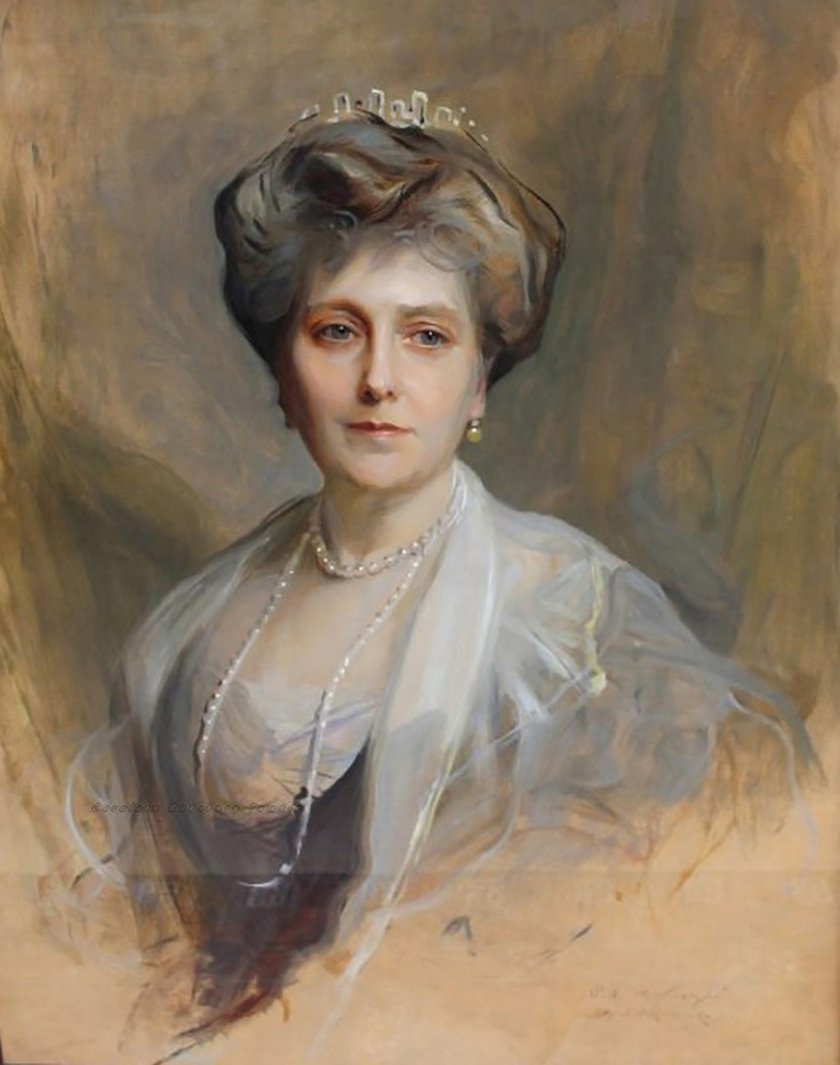
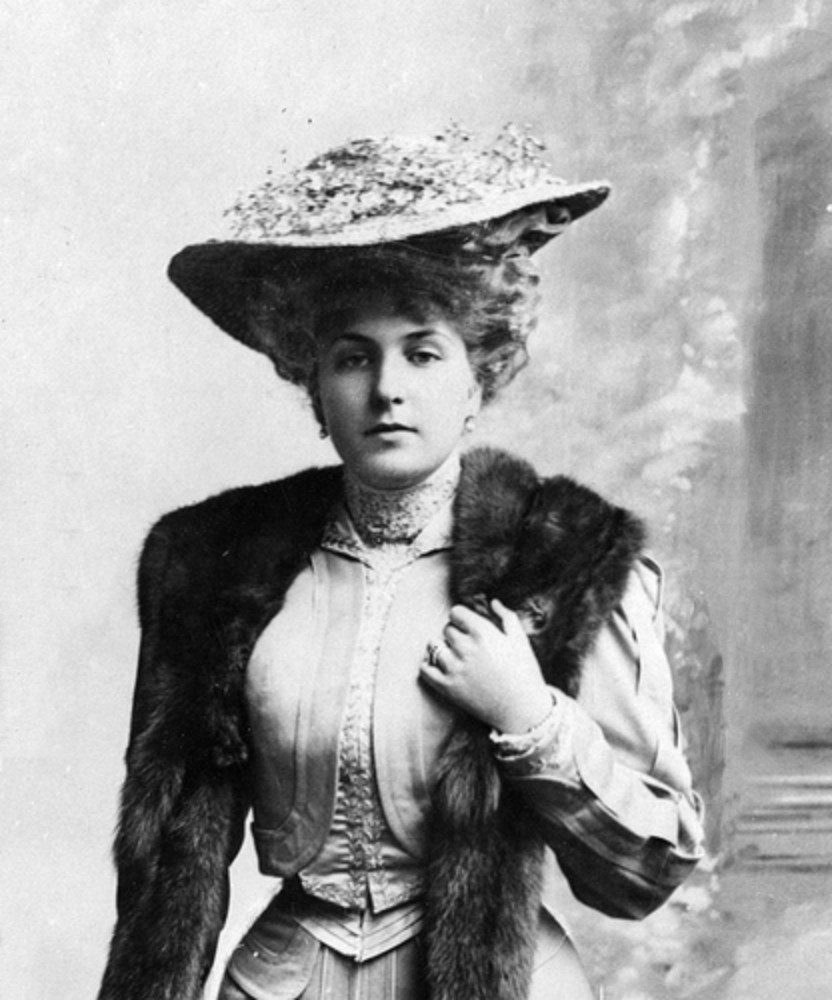
Princess Beatrice Mary Victoria Feodore (14 April 1857 – 26 October 1944) was the youngest child of Queen Victoria and Prince Albert. Known for her devotion to family duty, she combined a private domestic life with a number of public roles typical of senior members of the royal family. Her life spanned late Victorian and much of the twentieth century, witnessing major changes in Britain and the monarchy.
Image gallery
10 Images




Early life and family
Raised in the close and structured household of Queen Victoria and Prince Albert, Beatrice grew up with expectations of service and discretion. Educated at home, she was surrounded by siblings and a large extended court. Her upbringing emphasized languages, religion, and the social responsibilities of royalty. As the youngest child, she often acted as companion and confidante to her mother, remaining near the sovereign long after most family members had established independent households.
Marriage and children
In adulthood Beatrice married Prince Henry of Battenberg and became known by his princely title. Their marriage produced several children; among them were Prince Alexander Mountbatten and Princess Victoria Eugenie (commonly called Ena), who later became Queen consort of Spain. Beatrice balanced her role as a mother with duties at court and the obligations that came with her marriage into a morganatic branch of European princely families.
Role with Queen Victoria and public service
Princess Beatrice is perhaps best remembered for her long service to Queen Victoria. She acted as a private secretary and companion during the queen's widowhood, helping to manage correspondence, audiences and household matters. Victoria entrusted Beatrice with the transcription and custodianship of many personal papers and diaries. After the queen's death, Beatrice continued to perform public engagements, hold patronages and accept official honours consistent with her rank.
Legacy and later years
Beatrice outlived many of her contemporaries and was one of the last direct links to the reign of her mother. She died in 1944, leaving a complex legacy: remembered for loyalty and discretion, for shaping access to Queen Victoria’s private records, and for familial connections that linked the British royal house to other European monarchies. Historians note both the advantages and limitations of her guardianship of primary sources, since her editing and restrictions influenced what later generations could read.
Key facts
- Full name: Beatrice Mary Victoria Feodore.
- Born 14 April 1857; died 26 October 1944.
- Youngest child of Queen Victoria and Prince Albert.
- Wife of Prince Henry of Battenberg; mother of children including Alexander Mountbatten and Victoria Eugenie.
- Served as companion and private secretary to Queen Victoria and was entrusted with her papers.
For further contextual reading about the Victorian royal household and family networks, see contemporary biographies and collections of primary documents edited by modern historians.
Related articles
Author
AlegsaOnline.com Princess Beatrice of the United Kingdom Leandro Alegsa
URL: https://en.alegsaonline.com/art/79194