
John Knox (c.1510–1572): Scottish Reformer and founder of Presbyterianism
John Knox was the leading figure of the Scottish Reformation. Minister, preacher and polemicist, he shaped Scottish Protestantism, Presbyterian church government, and public life in 16th-century Scotland.
John Knox (born c.1510–died 24 November 1572) was a central figure of the Scottish Reformation and a principal architect of Presbyterian church government. He emerged as a powerful preacher, organizer and controversialist who helped overturn Roman Catholic dominance in Scotland and establish a Reformed national church. Knox's life combined pastoral work, political involvement, periods of exile and imprisonment, and persistent efforts to shape doctrine and discipline.
Image gallery
10 Images


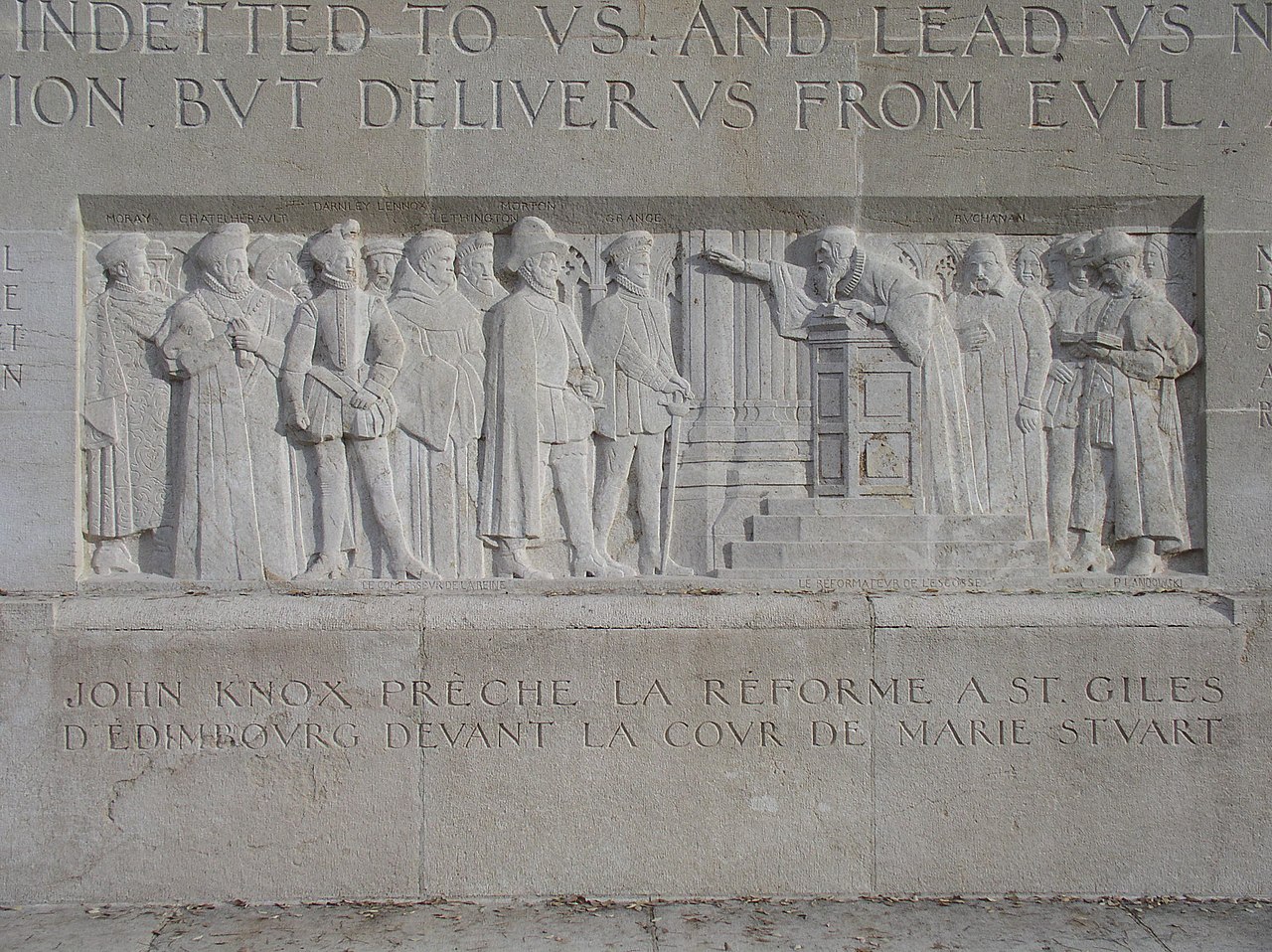


Life and public career
Knox's early life is not precisely documented, but he is typically dated to around 1510 and is linked to the generation of reformers that followed Martin Luther and John Calvin. He trained as a priest and later embraced Protestant ideas. His outspoken preaching and involvement in reforming activity led to arrests and dangerous episodes: he spent months as a galley slave after being captured at sea and spent significant time living in exile on the continent and in England. After returning to Scotland he became a leading voice for the Protestant noblemen who formed the Lords of the Congregation and for the wider movement that persuaded the Scottish Parliament to accept a Reformed confession of faith in the 1560s. See also accounts of his early years and travels biography overview and his time in captivity galley service.
Theology, preaching and church government
Knox stressed the authority of Scripture, the centrality of preaching, and a simplified liturgy in contrast to Catholic ritual. He was instrumental in promoting a presbyterian model of church government: congregations governed by elders and ministers rather than by a hierarchical episcopacy. That model influenced worship, discipline and parish life and became a defining feature of Protestant Scotland. His theological positions and his practical proposals for church order are often discussed in studies of Reformed doctrine Reformation theology and in treatments of Presbyterian polity church structures.
Conflict with Mary, Queen of Scots, and political impact
Knox repeatedly confronted Mary, Queen of Scots, over religion and royal authority. Their exchanges are famous for combining theological argument with sharp political critique. Although Knox declared that ministers should not usurp civil power, he insisted that rulers be held accountable to God's law and that the church had a duty to rebuke rulers on moral and religious matters. His efforts contributed to a broader reconfiguration of Scottish public life in which Protestant clergy, nobility and civic institutions played new roles. Contemporary accounts and Knox's own narrative of the period are referenced widely primary sources and in modern studies of Mary royal conflict.
Major works and legacy
Knox wrote a history of the Scottish Reformation and various sermons, tracts and letters that circulated widely. His History of the Reformation in Scotland recorded events from his perspective and remains a principal primary source for the period. The Scottish Reformation led to wide social and institutional change: new educational initiatives, revised liturgy, moral legislation and reshaped relations between church and state. The churches organized along presbyterian lines became permanent fixtures in Scotland and influenced Protestant communities beyond its borders. For his writings and lasting influence see editions and analyses works, sermons and historical studies.
Key themes and notable facts
- Role: leading minister and organizer of the Scottish Reformation; often described as the founder of Presbyterianism identity.
- Personal life: he married (twice) and had children; his private circumstances shaped his pastoral activity and networks family.
- Imprisonment and exile: captured and made a galley slave; spent time abroad where he encountered Continental Reformed practice exile.
- Political effect: engaged the nobility and civic leaders, helping secure parliamentary measures that institutionalized Protestant worship Parliamentary settlement.
- Reputation: admired by many Protestants for zealous reforming zeal and criticized by opponents for his severity; his writings and sermons continue to be studied for their impact on church life and Scottish identity legacy.
John Knox remains a pivotal figure in Scottish and Reformation history: controversial in his lifetime, influential thereafter. His combination of preaching, institutional reform and political engagement helped shape a national church and a distinct strain of Protestantism that endures into the modern era.
Questions and answers
Q: Who was John Knox?
A: John Knox (c. 1510 – 24 November 1572) was a Scottish religious reformer who brought the Protestant Reformation to Scotland and helped found the Presbyterian Church.
Q: What did Knox do to help spread the Protestant Reformation in Scotland?
A: Knox joined the movement to change the Roman Catholic church in Scotland, preached until he died, spent time as a galley slave and in exile because of his beliefs, and during a trip back to Scotland his preaching helped bring together several Protestant noblemen into a group called the Lords of the Congregation.
Q: How did Mary, Queen of Scots respond when Knox rebuked her publicly?
A: When Mary asked Knox what right he had to rebuke her so directly and openly, he replied that he was bound by conscience as a watchman both over the realm (land) and Church of God, so it was his duty to blow the trumpet publicly (openly).
Q: What happened after Mary's violent life caused her Catholic helpers to lose their support?
A: After her Catholic helpers lost their support due to Mary's violent life, she gave up the throne which allowed for Knox to make progress towards establishing a Protestant church in Scotland. This eventually led to formation of Presbyterian Church.
Q: What is one book written by John Knox?
A: One book written by John Knox is History of The Reformation in Scotland which includes accounts of his five "conversations" with Mary, Queen of Scots.
Q: How many children did John Knox have?
A: John Knox had five children from two marriages.
Related articles
Author
AlegsaOnline.com John Knox (c.1510–1572): Scottish Reformer and founder of Presbyterianism Leandro Alegsa
URL: https://en.alegsaonline.com/art/50701