
Premolar (tooth): form, function, and variation
Premolars are the transitional teeth between canines and molars in mammals, adapted for crushing and grinding; this article covers anatomy, development, variation among species, and clinical relevance.
The premolar is a type of tooth found in many mammals, positioned between the canines and the molars. In human dentistry these teeth are often called bicuspids because they typically have two pointed cusps on the chewing surface. Most mammals have up to eight premolars in the adult dentition, with two in each quadrant of the mouth, although the exact number and form vary widely and are often summarized in a species' dental formula.
Image gallery
6 Images


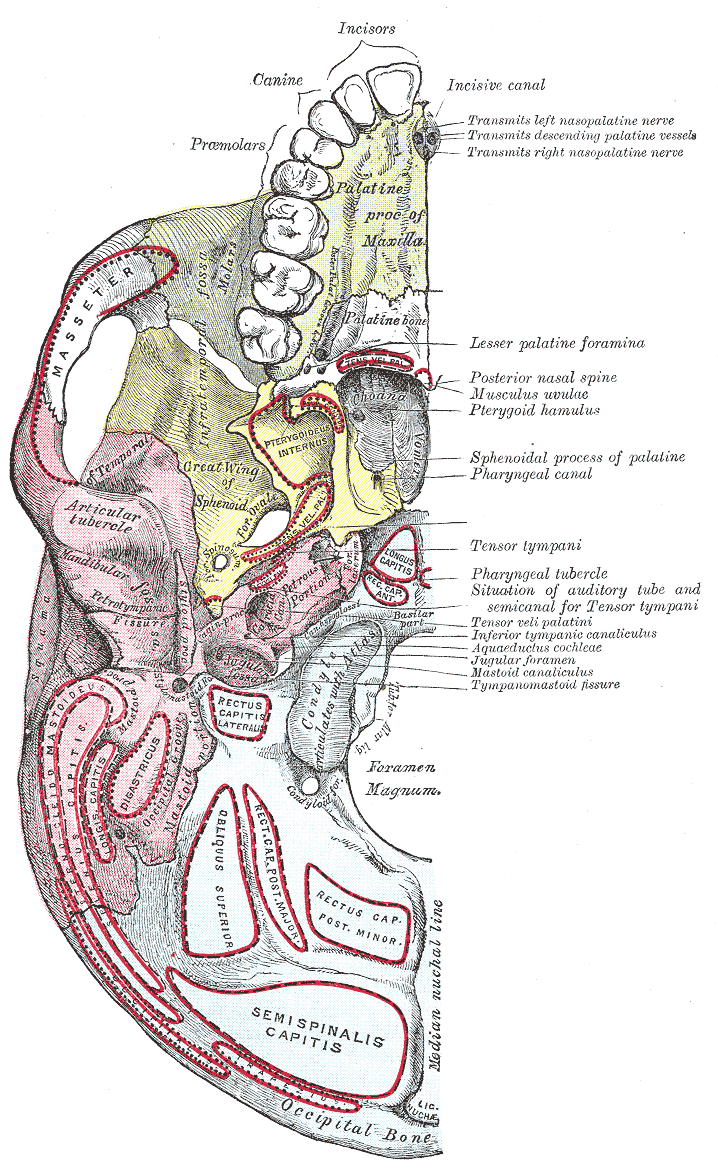
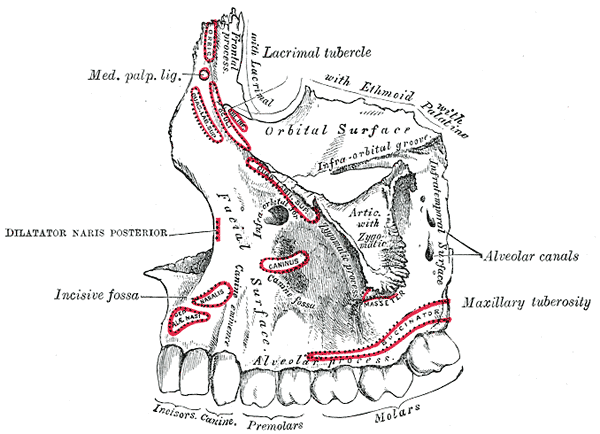

Anatomy and types
Premolars occupy a transitional position between the sharp, tearing canines and the broad, grinding molars. Key characteristics include:
- Two or more cusps on the occlusal (biting) surface;
- A single root or multiple roots depending on the tooth and species;
- Relatively shorter crowns than molars but more complex than incisors or canines.
Development and occurrence
Premolars develop as part of the permanent dentition in species with a distinction between deciduous and permanent teeth. In many placental mammals the deciduous dentition lacks true premolars, and the permanent premolars erupt later in life to take over occlusal function. The number and form of premolars are important taxonomic characters in paleontology and comparative anatomy because they often preserve well and reflect dietary specialization.
Function and examples
Functionally, premolars serve to crush and grind food, acting as a bridge between tearing and grinding stages of mastication. Examples include:
- Carnivores: premolars may be sharp and shearing to help process flesh;
- Omnivores (including humans): premolars are versatile, assisting in both cutting and grinding;
- Herbivores: premolars can be wide and flat, suited to breaking down fibrous plant material.
Clinical significance and distinctions
In human dentistry premolars are commonly involved in restorative work, orthodontic planning, and extractions. They may be removed to create space during orthodontic treatment or lost to decay and trauma. Because premolars sit between anterior and posterior teeth, their health affects both function and facial form. Distinguishing premolars from molars relies on crown shape, cusp count, root number, and position in the dental arch.
Notable facts: premolar number is reduced or altered in many mammal lineages as part of evolutionary specialization; paleontologists and dentists alike study these teeth to understand diet, development, and health. For further general information see entries on mammals, canine teeth, molar teeth and on how to read a dental formula.
Related articles
Author
AlegsaOnline.com Premolar (tooth): form, function, and variation Leandro Alegsa
URL: https://en.alegsaonline.com/art/78758