
Port (fortified wine from Portugal)
Port is a fortified wine produced in Portugal’s Douro Valley. Sweet or dry, often served with dessert, it is aged and blended into styles such as Ruby, Tawny and Vintage. Only wines from Portugal may legally use the name.
Overview
Port, commonly called Vinho do Porto or simply Porto, is a fortified wine produced in the Douro Valley in northern Portugal. Characteristically richer and higher in alcohol than ordinary table wine, Port is most often enjoyed as a dessert wine but may also be found in dry or semi-dry styles. The region, production methods and legal protections combine to make Port a distinctive product in the world of fortified wines.
Image gallery
10 Images


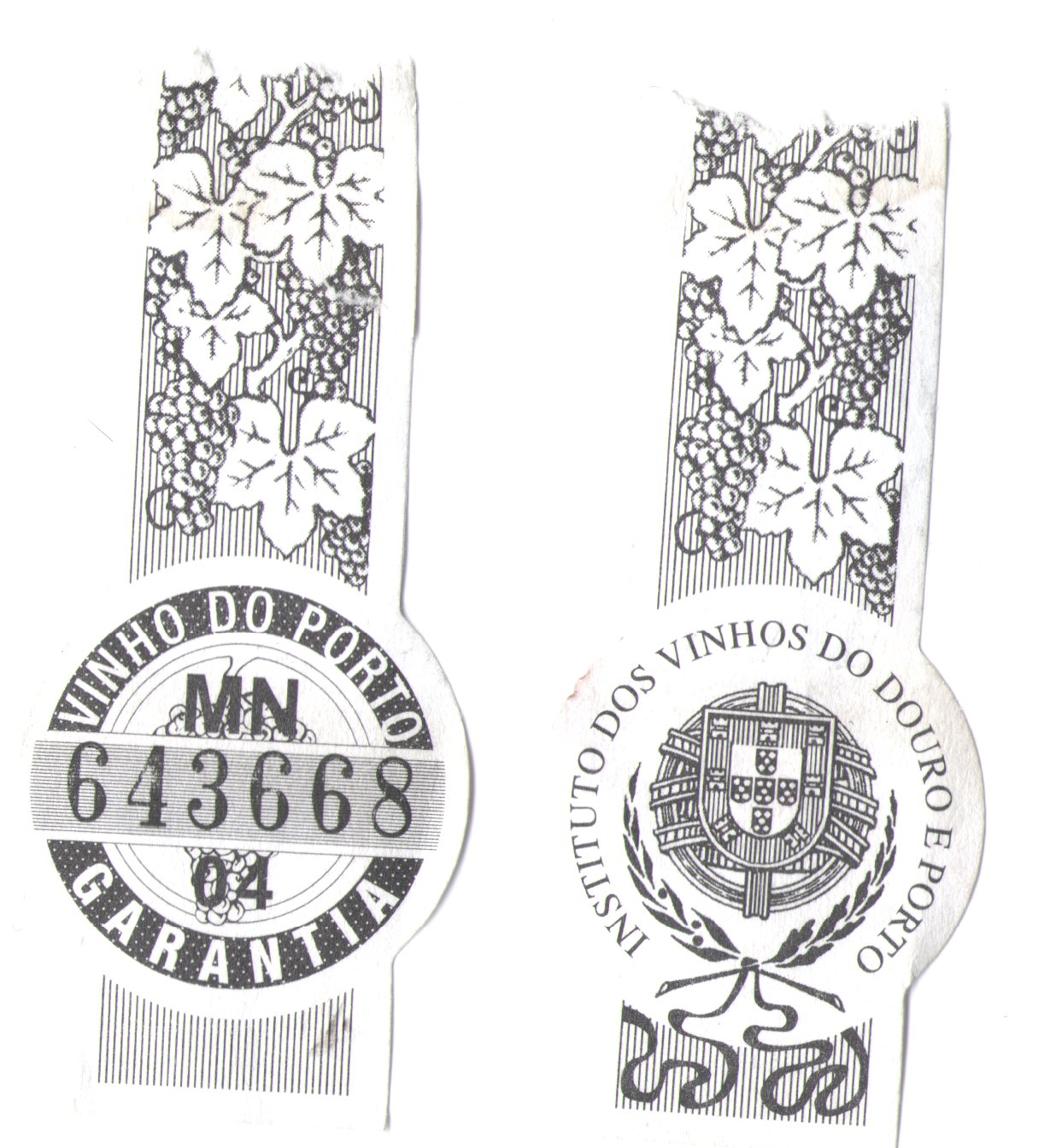

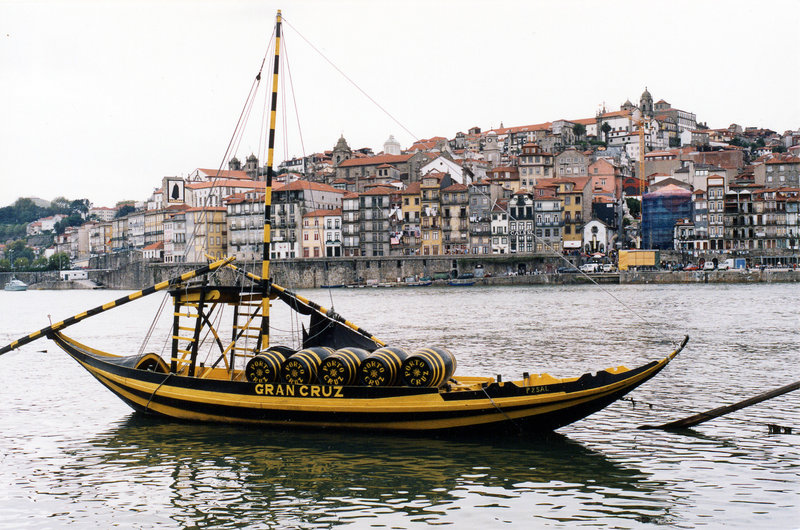
Production and characteristics
Port is made from grapes grown within the demarcated Douro wine region. The basic production sequence includes grape harvest, fermentation, fortification and maturation. Fortification is achieved by adding a neutral grape spirit—traditionally a distilled wine spirit or brandy-like aguardente—which halts fermentation and preserves residual sugar, yielding a sweeter wine with elevated alcohol. Maturation may occur in large wooden barrels or in bottles and cellars, and the length and environment of aging influence the final flavor profile.
Common styles
- Ruby Port: youthful, fruit-forward and aged briefly in large vats.
- Tawny Port: matured longer in wood, oxidative aging gives nutty, caramelized flavors and amber color.
- Vintage Port: produced from a single exceptional harvest, bottled after short oak aging and capable of long-term bottle development.
- Late Bottled Vintage (LBV): single-vintage wine aged longer in wood than a vintage port but released ready to drink.
- White and Rosé Ports: made from white or lighter-pressed grapes and range from dry to sweet.
History and appellation
Large-scale trade in fortified wine from the mouth of the Douro to Atlantic merchants centred on the city of Porto, and the name "Port" traces to that port city. The Douro region was officially demarcated and brought under regulation in the 18th century, establishing one of the world’s earliest protected wine regions. Today the name is protected under European Union rules: only wines originating in Portugal’s demarcated area and produced under regulated methods may be called Port in many markets.
Geography and international production
While the authentic product comes from the Douro, winemakers in other countries produce fortified wines inspired by Port. Notable producers outside Portugal include Australia, South Africa, India, Canada and the United States. In some jurisdictions, labelling rules require the Portuguese-made product to use local language names such as "Porto" or "Vinho do Porto" to avoid consumer confusion.
Serving, uses and notable facts
Port is traditionally served in smaller glasses, slightly cooled for richer styles, and paired with desserts, cheeses—especially blue varieties—or used in sauces and culinary recipes. The interaction of residual sugar, fortified spirit and aging methods produces the wide range of aromas and textures associated with Port: ripe dark fruit, dried fruit, nuts, spice and caramel are typical descriptors. Because fortification preserves sweetness and slows oxidation, opened bottles, particularly those of wood-aged styles, retain drinkable quality longer than many table wines. For further reading on technical aspects and regional regulations, consult official sources and reference works on fortified wines (fermentation notes, aging guidance), or visit regional resources and specialist producers listed by trade organizations (Portugal wine boards, cooperage references, Porto historical guides).
For practical information and buying advice, many educational pages and producers outline vintage declarations, storage recommendations and serving temperatures; these can help collectors and casual drinkers distinguish styles and choose Ports for immediate enjoyment or long-term cellaring (wine basics, alcohol content, international producers).
Related articles
Author
AlegsaOnline.com Port (fortified wine from Portugal) Leandro Alegsa
URL: https://en.alegsaonline.com/art/78239