
Potato chip (potato crisp): definition, production, history and varieties
Overview of potato chips (crisps): definition, production methods, common flavours, disputed origin story, varieties, packaging, cultural role and basic health considerations.
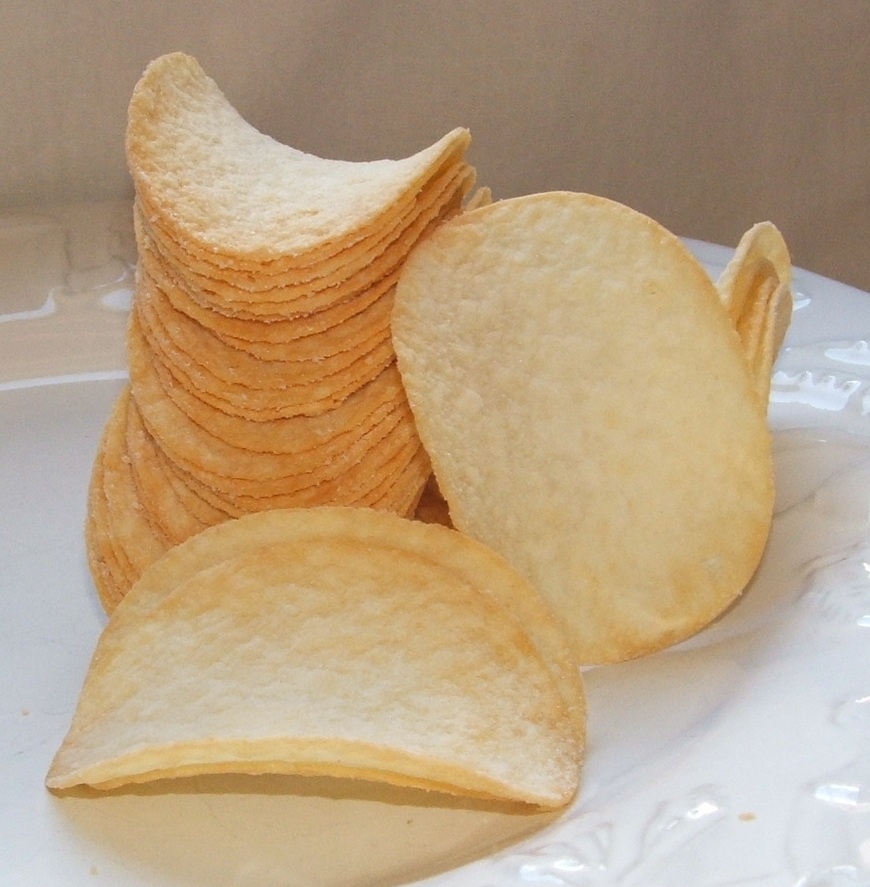
Potato chips are thin slices of potato that have been baked or fried until crisp and typically salted or seasoned. The product is a leading ready-to-eat snack in many countries and is sold by global brands and local producers alike. In the United Kingdom these snacks are commonly called potato crisps, and that same term is used in Northern Ireland. Flavour ranges vary from simple salted to complex spice blends; popular examples include ketchup, sour cream and onion, among many regional and seasonal varieties.
Image gallery
10 Images


Production and manufacturing
Both home and commercial production follow common stages: selection and cleaning of tubers, peeling (optional), slicing, rinsing or soaking to remove excess starch, drying, and cooking by frying or baking. Frying temperature, oil type and slice thickness strongly influence texture and shelf life. Some manufacturers use kettle-style small-batch frying for a crunchier texture, while others produce uniformly thin, fast-fried chips for long shelf stability. Baked or air-fried formulations reduce surface oil and lower fat content. Large-scale processors also apply packaging technologies such as modified-atmosphere packaging and nitrogen flushing to preserve crispness during transport.
Varieties and styles
Chips are categorized by cooking method, cut and seasoning. Typical distinctions include thin-cut fried chips, kettle-cooked chips, ridged or crinkle-cut chips, wafer-thin chips, and extruded or puffed snack shapes. Flavours vary by market, with classic salted, ketchup and sour cream & onion among the most common. Specialty lines use aged cheeses, barbecue rubs or international spice mixes. Alternative vegetable and legume-based crisps have emerged to meet dietary preferences and to diversify textures and flavours.
History and disputed origin
The origin of the potato chip has several competing accounts. One widely repeated narrative links the invention to a cook named George Crum at a resort near Saratoga Springs, New York, who in the mid-19th century is said to have sliced potatoes extremely thinly, fried and salted them in response to a customer's complaint that fried potatoes were too thick. That product became known as "Saratoga chips." Another account refers to culinary practices brought from Europe: for example, very thin fried potatoes are related to preparations such as French fries, which were known in Europe earlier. The story that Thomas Jefferson introduced thicker French-style fried potatoes to the United States after encounters with French cuisine in France is often mentioned alongside the Crum tale, though precise details and dates vary among sources. Because of competing claims, staged marketing and the gradual commercialization of packaged snacks, a single clear origin remains debated.
Packaging, distribution and shelf life
Commercial chips are packaged to retain crispness and prevent rancidity. Many packages contain an inert gas such as nitrogen to reduce oxygen exposure and cushioning material to limit breakage. Shelf life depends on oil stability, packaging barrier properties and storage conditions; well-sealed products kept away from heat and humidity retain texture longer. Small producers and artisan lines sometimes use shorter distribution chains and fresh-batch labelling to emphasise freshness and variety.
Nutrition, safety and regulation
Potato chips are energy-dense and can be high in fat and sodium, so dietary guidance generally recommends moderation. Baked versions and reduced-salt or reduced-fat formulations provide alternatives for consumers seeking lower-calorie options. High-temperature cooking can produce trace compounds that have prompted research and regulatory attention; manufacturers and regulators monitor such compounds and recommend best practices for frying and storage. Consumers can reduce intake or choose lower-oil preparations to manage nutritional concerns.
Cultural role and home preparation
Chips appear as casual snacks at social gatherings, in lunchboxes and with sandwiches, or as part of regional food traditions. Home cooks can make chips by thinly slicing potatoes, rinsing to remove surface starch, drying and frying briefly at the correct oil temperature or by baking until crisp. Achieving consistent thinness, even oil temperature and effective draining helps produce a non-greasy, crisp result. A fork or similar tool is commonly referenced in origin stories — for example, the anecdote that slices were made so thin they could not be pierced with a fork — and such anecdotes are part of the snack's folklore.
Global markets and innovation
Industry innovation continues in flavour development, alternative ingredients and packaging. Regional tastes influence product lines, and both multinational firms and local brands experiment with texture, potato cultivars and seasonings to capture consumer interest. New categories, such as vegetable crisps and high-protein chip alternatives, reflect changing dietary trends while maintaining the essential format: a thin, crisp, seasoned bite-sized snack.
For further reading and manufacturer information, consult product labels and industry resources; historical narratives and origin claims are best evaluated against multiple contemporary accounts and culinary histories.
UK naming note • Northern Ireland term • Potato • Ketchup flavour • Sour cream • Onion • Thomas Jefferson reference • French fries relation • United States • France • Saratoga Springs • Fork anecdote
Questions and answers
Q: What are potato chips?
A: Potato chips are thin slices of potato that have been baked or fried and lightly salted or seasoned.
Q: What are some popular flavors of potato chips?
A: Some popular flavors of potato chips are salt and vinegar, ketchup, and sour cream and onion.
Q: What are potato chips called in England?
A: In England, potato chips are called "Crisps".
Q: What are potato chips called in America?
A: In America, potato chips are called "Potato chips".
Q: Who is credited with creating potato chips?
A: George Crum is credited with creating potato chips.
Q: How did George Crum come up with the idea for potato chips?
A: George Crum became angry with a customer who said his french fries were too thick. To spite the customer, he sliced the potatoes thinly and fried them, creating the first potato chips.
Q: When were potato chips first named "Saratoga chips"?
A: Potato chips were first named "Saratoga chips" in 1853.
Related articles
Author
AlegsaOnline.com Potato chip (potato crisp): definition, production, history and varieties Leandro Alegsa
URL: https://en.alegsaonline.com/art/78431