
Port of Hull — maritime gateway on the Humber
Major seaport on the River Humber serving Kingston upon Hull with passenger ferries, roll-on/roll-off, bulk and container terminals; linked by rail and road for regional freight distribution.
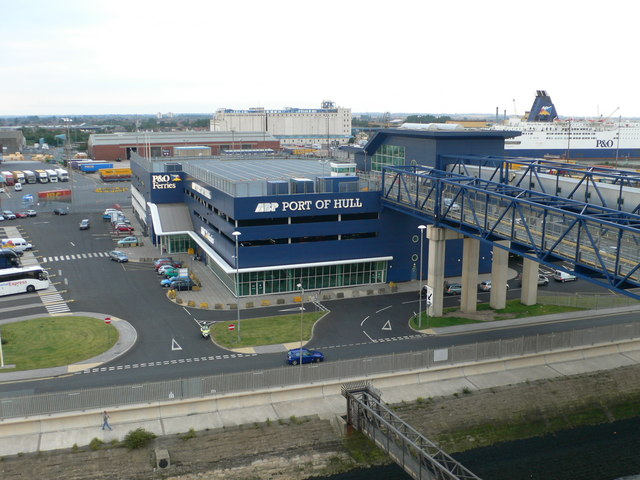
The Port of Hull sits on the north bank of the River Humber, where the estuary opens into the North Sea. It serves the city of Kingston upon Hull in the East Riding of Yorkshire, England. The port combines historic dock basins with modern deepwater berths and handles both passenger and freight traffic. Regular ferry services carry around a million passengers a year to continental destinations such as Rotterdam and Zeebrugge, as well as freight and vehicle traffic.
Image gallery
10 Images



Layout and principal facilities
The harbour complex includes a mix of older enclosed docks and more recent roll-on/roll-off (Ro-Ro) and container berths. Named dock areas commonly associated with the port include King George Dock and Alexandra Dock, while separate terminals handle bulk cargoes, general cargo and Ro-Ro operations. Dedicated quays are fitted with ramps to load and discharge vehicles, and modern cargo-handling equipment supports palletised and containerised freight.
History and development
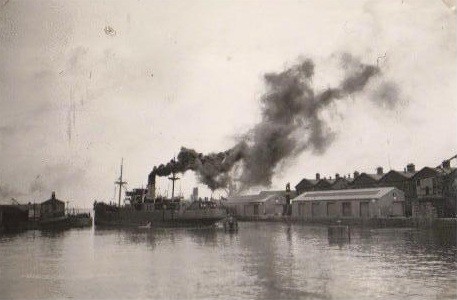
Hull evolved as a trading port from medieval times and expanded through successive periods of maritime commerce and industrialisation. Over centuries the port adapted to changing trade patterns and ship types: traditional enclosed docks served sailing and steam ships, while later improvements accommodated larger motor vessels, vehicle ferries and container traffic. Redevelopment and investment have sought to balance preservation of historic dock architecture with the operational needs of contemporary shipping.
Services, cargo and links
Activity at the port spans passenger ferries, Ro-Ro freight, bulk imports and general cargo. The port is an important entry point for timber and other building materials as well as for agricultural and industrial bulk goods. Container handling and short-sea shipping services form part of the distribution network serving northern England and beyond. Passenger services support holiday travel, commercial drivers and freight operators moving between the UK and mainland Europe.
Transport connections and operations
A notable feature of the Port of Hull is its internal goods railway and connections to the national rail network, which enable direct transfer of cargo between quays and inland distribution points and help reduce reliance on road transport. Road links connect the port to regional motorways and distribution centres. Terminal operators coordinate arrivals, stowage and customs procedures to maintain efficient throughput for both scheduled ferry services and irregular bulk or project cargoes.
Economic role and environment
The port plays a significant role in the local and regional economy by supporting maritime employment, logistics businesses and supply chains for construction and manufacturing. As part of a tidal estuary, operations must also take account of navigational safety, environmental regulations and estuarine habitats; modern port management typically includes measures to monitor water quality, control emissions and manage ballast and waste in line with statutory requirements. For terminal-specific schedules, services and operational notices consult official port operators and resources.
Related articles
Author
AlegsaOnline.com Port of Hull — maritime gateway on the Humber Leandro Alegsa
URL: https://en.alegsaonline.com/art/78215