
Port of Karachi: Pakistan’s principal seaport and maritime gateway
Overview of the Port of Karachi, its location, facilities, history, governance, economic role and ongoing challenges as Pakistan’s largest seaport and key maritime hub.
Overview
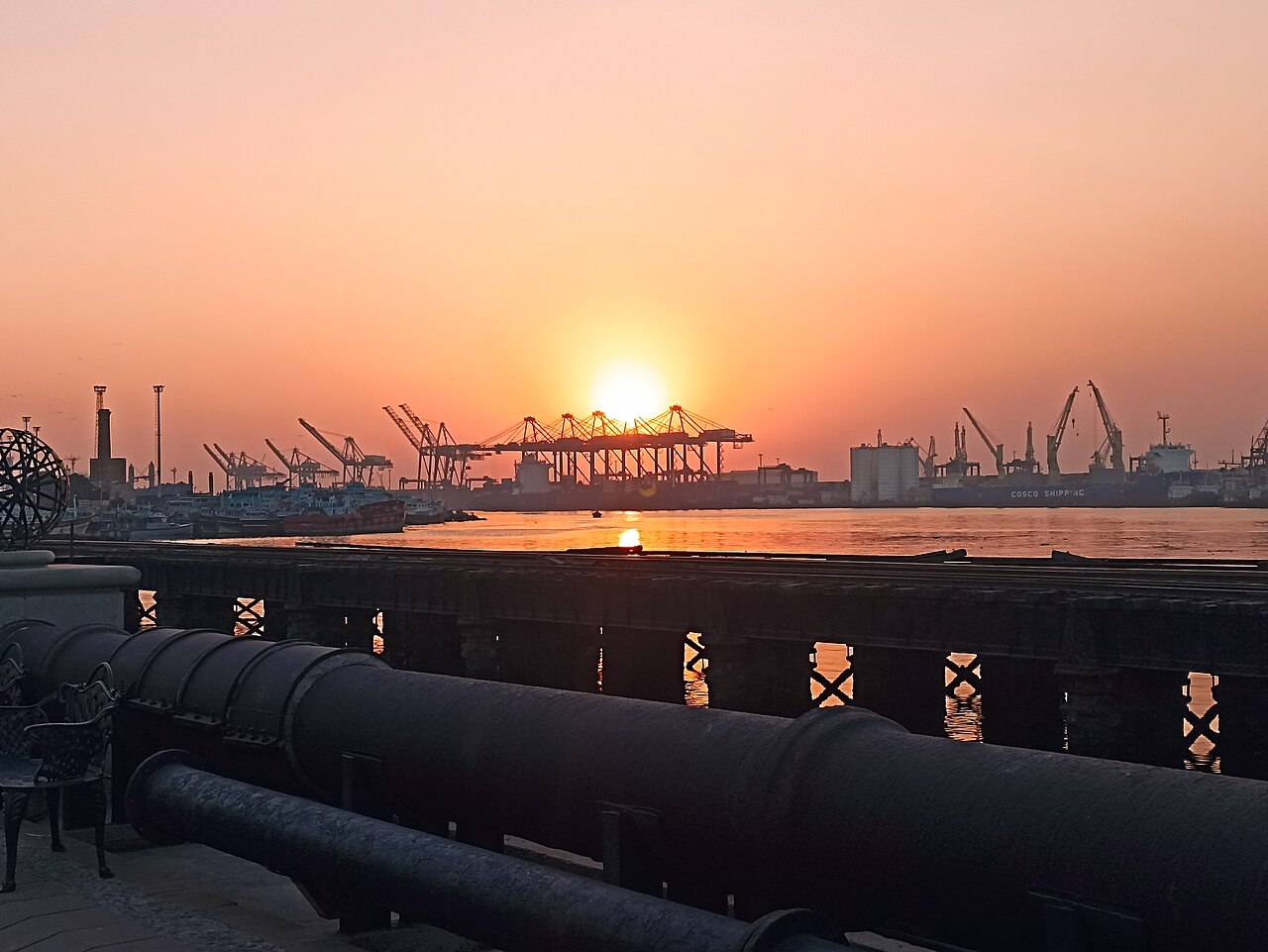
The Port of Karachi is the largest and busiest seaport in Pakistan, serving as the country’s principal maritime gateway. Located on the Arabian Sea, it handles a large share of the nation’s seaborne trade and is a hub for container, bulk and general cargo. Common summaries attribute roughly 60% of the nation's seaborne cargo to the port, with annual throughput often cited in broad terms as being in the tens of millions of tonnes; such figures vary over time and by source.
Image gallery
7 Images



Location and layout
The port sits close to the historic core of Karachi, between the townships of Kiamari and Saddar. This central position places it near the city’s main commercial and business district and adjacent industrial areas, facilitating onward road and rail distribution. Its geographic position also locates it near international sea lanes used by traffic transiting the Strait of Hormuz, which helps explain its strategic importance for regional trade.
History and governance
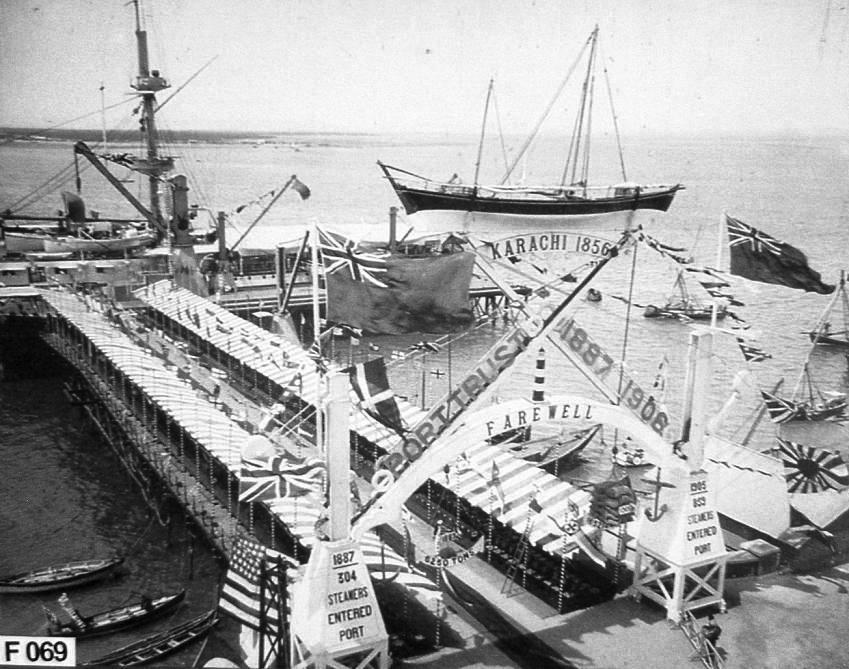
The modern port evolved over more than a century. Its formal administration is carried out by the Karachi Port Trust, a statutory body created in the nineteenth century. Over time the port’s infrastructure and organization developed in response to colonial-era trade, post‑independence national needs and later commercial growth. The Trust remains responsible for quay operations, marine services and certain regulatory functions at the facility.
Facilities and operations
The complex comprises multiple berths and terminals that handle containerized freight, liquid bulk (including petroleum and petroleum products), dry bulk (such as grains and ores) and break‑bulk cargo. Container terminals offer gantry cranes, yards and refrigerated container handling; other berths provide facilities for tankers and general cargo vessels. The port supports pilotage, towage and dredging operations to maintain navigable channels and berthing depths, and works with customs and other agencies to manage imports and exports.
- Container handling and refrigerated cargo capability
- Bulk and liquid cargo terminals
- Marine services: pilotage, tugs and channel maintenance
Economic role and connections
As the principal seaport, Karachi plays a central role in national logistics chains and external trade. It connects domestic manufacturers and importers with international markets and supports employment in transport, warehousing and related services. Road and rail links to inland distribution networks are critical to the port’s function, and the facility is integrated into broader national trade corridors.
Challenges and future outlook
The Port of Karachi faces common large‑port challenges: congestion in peak periods, the need for terminal modernization, periodic dredging to address siltation, environmental management and security considerations. Competitive pressures from other regional ports and shifts in global shipping patterns encourage investment in capacity upgrades, digitalization and improved hinterland connectivity. Authorities and private operators have, at various times, announced projects and reforms intended to increase efficiency, reduce waiting times and expand handling capacity.
Further information
Readers seeking operational details, current tariff schedules or notices to mariners should consult official publications and the port authority. For general context and background materials see government and maritime resources via the following references: Pakistan, seaport, nation, cargo, Kiamari, business district, industrial areas, geographic position, Karachi, Strait of Hormuz, Karachi Port Trust, nineteenth century.
Related articles
Author
AlegsaOnline.com Port of Karachi: Pakistan’s principal seaport and maritime gateway Leandro Alegsa
URL: https://en.alegsaonline.com/art/78216