
Kingston upon Hull (Hull)
Kingston upon Hull, commonly called Hull, is a port city in northern England with a long maritime, industrial and cultural history and a modern role as a regional centre.
Overview
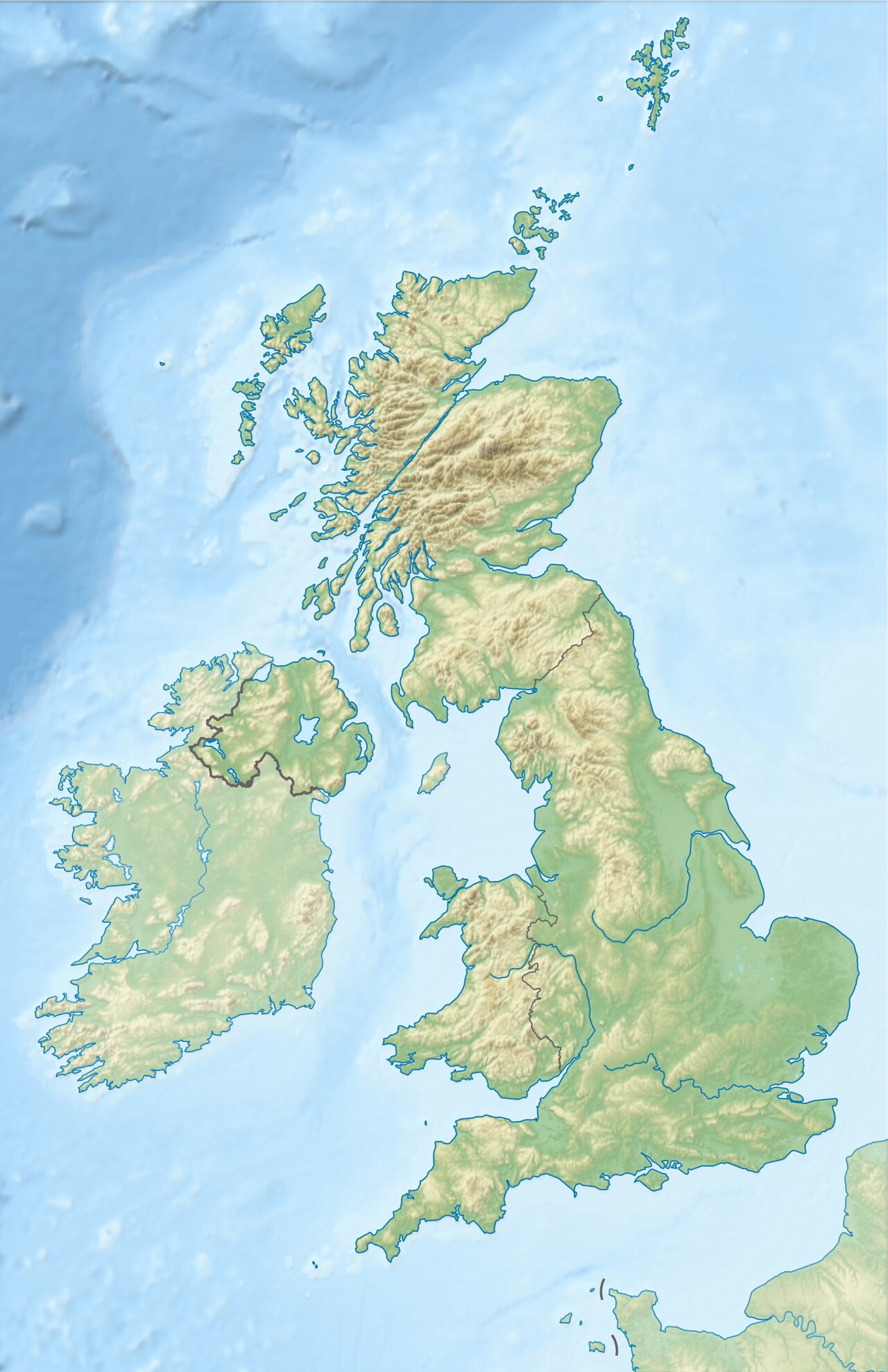
Kingston upon Hull, usually shortened to Hull, is a city and port in northern England. It serves as a local government and civic centre and is known for its riverside setting at the confluence of the River Hull and the Humber Estuary. The city’s origins are medieval and its identity has long been shaped by shipping, trade, fishing and industry. Hull is administered as a unitary authority within the region of Yorkshire and the Humber and lies in the ceremonial county of the East Riding of Yorkshire. For geographic context see the course of the River Hull and the nearby approaches to the North Sea.
Image gallery
10 Images




Geography and administration
Hull occupies low-lying land on the north bank of the Humber Estuary. The city’s position at a navigable river mouth made it an important point for inland distribution and for maritime traffic on the east coast of Britain. As the principal settlement of its area, Hull combines municipal, commercial and port functions. The formal name "Kingston upon Hull" reflects its riverside location and distinguishes it from other towns called Kingston.
History and development
Hull expanded from a small medieval market and fishing settlement into a fortified and commercially significant town. Over centuries it has been a military supply base, a regional market, a fishing and whaling harbour, and later a centre for shipbuilding, engineering and manufacturing. The city was involved in the English Civil Wars and later figures from Hull played parts in national movements, including events connected with the campaign for the abolition of the slave trade. Hull suffered significant damage in the Second World War, after which large-scale rebuilding and modernisation altered the urban landscape.
Economy, culture and regeneration
Historically the local economy depended on maritime industries, river trade and manufacturing. In the late 20th century deindustrialisation brought job losses and economic change, followed by efforts to diversify and regenerate the city. Investment in culture, education and waterfront redevelopment has reshaped parts of Hull’s economy. The Port of Hull remains an important gateway for freight and passenger services, while tourism, retail and the public sector now play larger roles.
Places of interest and transport
Hull retains a mix of historic streets and modern venues. Notable sites include museums, maritime collections and heritage buildings that recall its seafaring past and social history. Transport connections include regional rail and road links, river access and ferry services historically associated with North Sea crossings. The city’s waterfront and cultural attractions draw visitors and support local regeneration projects.
Quick facts and further reading
- Location: Northern England, on the Humber estuary.
- River: Lies at the mouth of the River Hull.
- Coast: Close to North Sea approaches.
- County: East Riding of Yorkshire (ceremonial).
- Government: Unitary authority responsible for local services.
- History: Significant wartime damage and post-war rebuilding.
- Heritage: Connections to national reform movements.
- Region: Yorkshire and the Humber administrative region.
- Port: Major goods and passenger port for the region.
Readers seeking more detailed histories, statistical data or visitor information can follow the links above as starting points for further research.
Questions and answers
Q: What is Hull?
A: Hull is an English city that is the "unitary authority" for the region of Yorkshire and the Humber.
Q: Where is Hull located?
A: Hull is located on the North side of the River Hull where it meets the Humber Estuary, 25 miles (40 km) from the North Sea.
Q: What is the history of Hull?
A: Hull has been a market town, military supply port, trading centre, fishing and whaling port, and industrial giant. Hull was also an early battleground in the English Civil Wars, and was the backdrop to events leading to the abolition of the slave trade in Britain.
Q: Was Hull damaged during the Second World War?
A: Yes, Hull was heavily damaged during the Second World War.
Q: Has Hull started to regenerate since its decline?
A: Yes, after a period of decline, when many factories closed, the city has started to regenerate.
Q: What is the Port of Hull?
A: The Port of Hull is one of the UK's largest goods and passenger ports.
Q: In what ceremonial county is Hull located?
A: Hull is located in the ceremonial county of the East Riding of Yorkshire.
Related articles
Author
AlegsaOnline.com Kingston upon Hull (Hull) Leandro Alegsa
URL: https://en.alegsaonline.com/art/53670
Sources
- britannica.com : "Kingston upon Hull"
- visionwebsites.co.uk : "Brief history of Hedon"
- hullcc.gov.uk : "History of Hull"
- shopinhull.co.uk : "Shop in Hull: History"
- wilberforce2007.com : "Slavery: unfinished business"
- communities.gov.uk : State of the English Cities: Volume 1
- hullcitybuild.co.uk : "City Centre"
- newadvent.org : "Meaux"
- aboutbritain.com : "Kingston upon Hull Tourist Information"
- bbc.co.uk : "Point 4: River Hull Walkway"
- news.bbc.co.uk : "Listed status for bombed cinema"
- news.bbc.co.uk : "Flood-hit Hull a 'forgotten city'"
- guardian.co.uk : "Hull pleads for aid after floods leave one in five homes damaged"
- channel4.com : "The Best and Worst Places - Hull"
- environment-agency.gov.uk : "Hull Tidal Surge Barrier - Facts and Figures"