
Port of London
Historic seaport on the River Thames that served as London's principal commercial harbour; most cargo operations moved elsewhere and the river and docks have been repurposed for transport, recreation and redevelopment.
Overview
The Port of London was the principal seaport serving the city of London, located along the tidal River Thames near the historic city centre (see coordinates). For centuries it handled the majority of goods and passenger traffic entering and leaving the capital. Large-scale commercial shipping within central London has largely ceased: the cluster of enclosed docks and riverside wharves that once made the port famous were closed or repurposed in the later 20th century and much of the waterfront has been redeveloped, for example as part of the London Docklands regeneration.
Image gallery
10 Images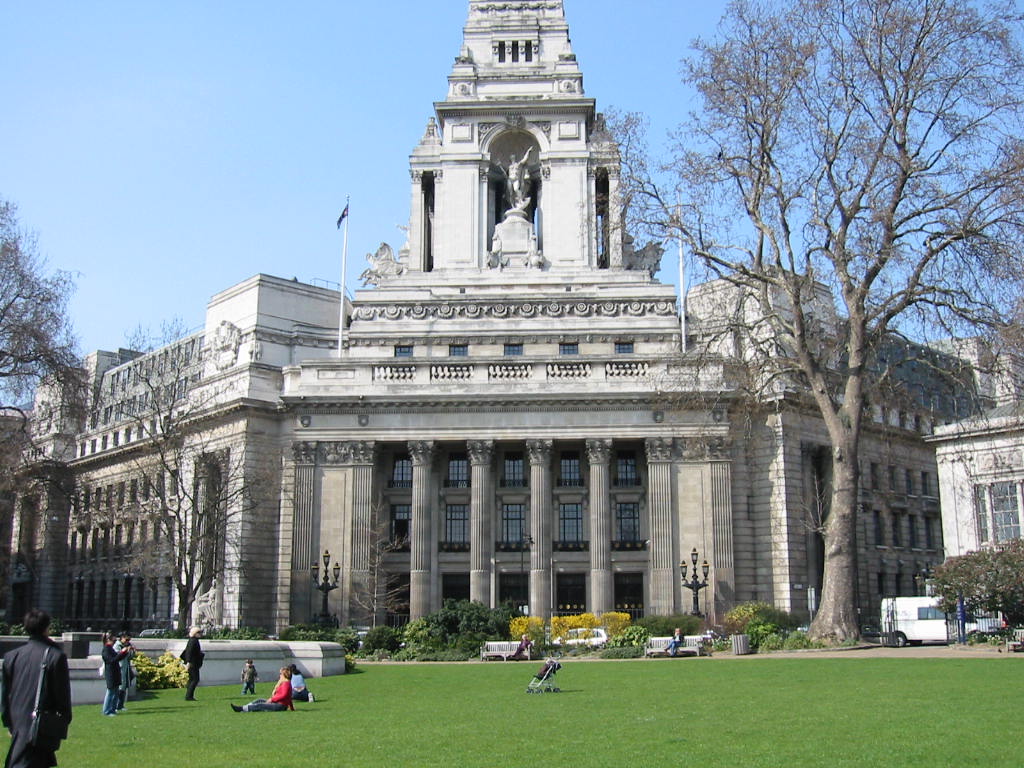


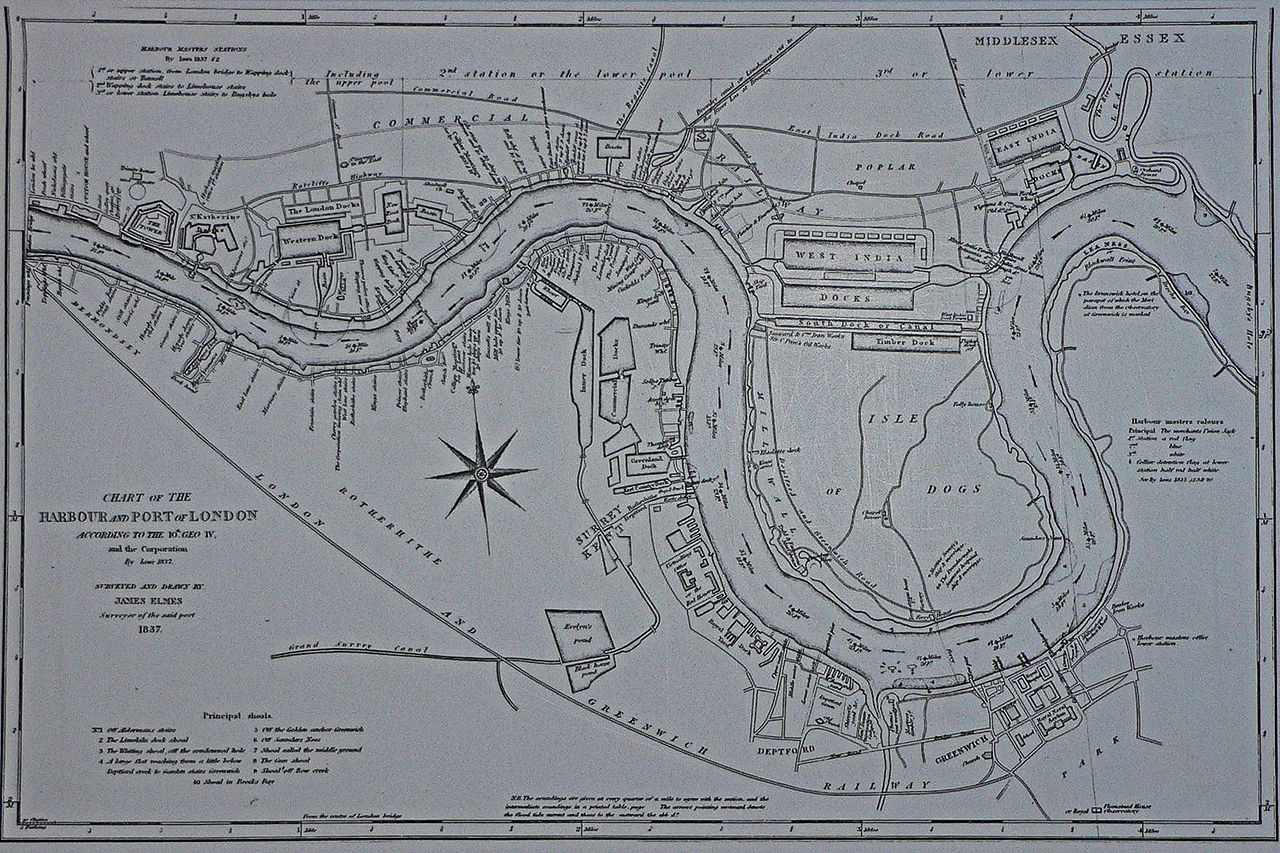


Structure and characteristics
The historic Port of London was not a single harbour but a complex of docks, basins, quays and river berths running for many miles along both banks of the Thames. Key elements included enclosed wet docks, bonded warehouse areas and riverside loading points that together supported maritime trade, ship repair and allied industries. The river itself was and remains tidal, which shaped how ships approached, berthed and transited the port.
- Enclosed docks: purpose-built dock complexes provided secure berthing and storage.
- Riverside wharves: long stretches of quays where cargo was loaded directly to and from ships.
- Supporting infrastructure: warehouses, rail links, cranes and road access that connected the port with inland distribution.
History and development
London’s riverfront has been used for trade since Roman times, but the modern pattern of docks developed particularly during the 18th and 19th centuries as trade volumes grew. In the late 19th and early 20th centuries many enclosed docks were constructed to improve handling and security. Coordination of the busy river was formalised when a single authority was established in the early 20th century (the Port of London Authority) to manage navigation, safety and use of the river.
After World War II the nature of maritime freight began to change. Containerisation and the arrival of much larger deep‑water vessels made many of the historic central docks obsolete. From the mid‑20th century onward cargo handling moved downstream and to specialised container terminals, and inner‑city docklands were progressively closed and redeveloped for other uses.
Modern uses, successors and examples
Today the River Thames remains active but in different ways. The Port of London Authority continues to oversee navigation and safety. Central London’s riverside now supports passenger services, leisure craft, commercial offices, housing and cultural attractions rather than large scale import/export handling.
Major container and roll‑on/roll‑off traffic that once called at the Thames has shifted to deep‑water ports. Much international container traffic is handled at the large container terminal complex at Felixstowe (Felixstowe in Suffolk), while newer developments include a large modern port complex built on the north bank of the Thames in Thurrock, Essex (often referred to as London Gateway), developed to serve contemporary shipping and logistics needs.
Legacy and notable distinctions
The Port of London left a distinctive urban legacy: the linear pattern of former docks and wharves shaped areas of the riverside that have been transformed into commercial centres such as Canary Wharf, residential developments, and leisure piers. The port’s decline as a central commercial hub illustrates broader shifts in maritime technology and global trade patterns. At the same time, the Thames remains an important artery for commuting, tourism and riverborne services, continuing the river’s long association with the life of the city.
See also: management of the tidal Thames and the ongoing role of the port authority in navigation, safety and river planning.
Related articles
Author
AlegsaOnline.com Port of London Leandro Alegsa
URL: https://en.alegsaonline.com/art/78217