
Prudhoe Bay Oil Field
Largest oil field in the United States and North America, located on Alaska's North Slope; discovered in the 1960s and central to the Trans-Alaska Pipeline and regional economy.
Overview
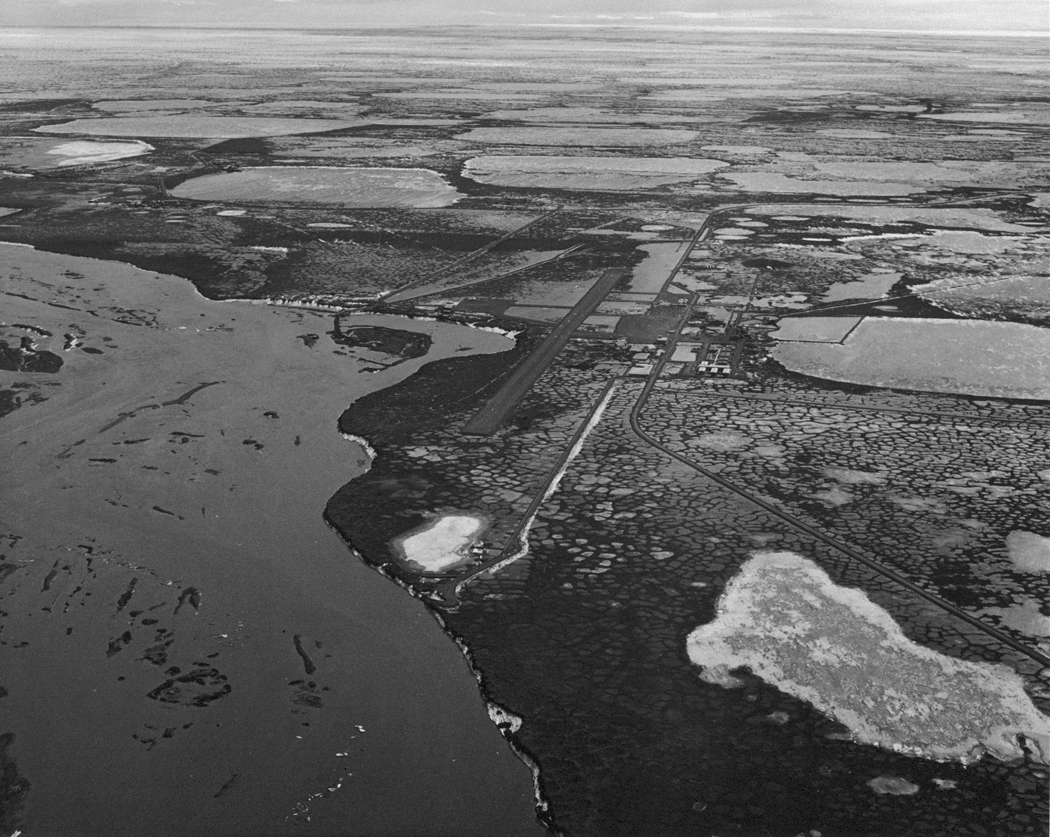
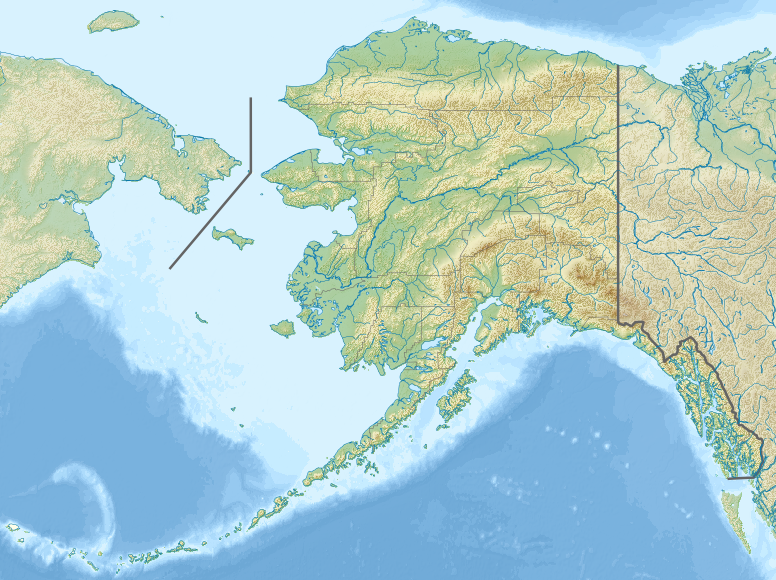
The Prudhoe Bay Oil Field is a sprawling petroleum province on Alaska's Arctic coast. Situated on the Alaska North Slope near the Arctic Ocean, it is widely recognized as the largest oil field in the United States and in North America. The field covers roughly 213,543 acres (about 86,000 hectares) and was originally estimated to contain on the order of 25 billion barrels of oil in place, making it a defining asset in North American energy history.
Image gallery
7 Images




Geology and Characteristics
Prudhoe Bay is a complex of multiple reservoir units hosted in Cretaceous-age sedimentary rocks. Oil accumulations occur in stacked sandstone layers separated by seals and varying porosity. Producers developed the field with gravel pads, artificial islands and insulated infrastructure to work around permafrost and ground-ice. Key characteristics include extremely cold climate conditions, seasonal daylight extremes and sensitive tundra ecosystems.
- Area: ~213,543 acres.
- Original oil-in-place: estimated around 25 billion barrels.
- Environment: Arctic tundra and permafrost.
History and Development
The field was discovered in the late 1960s and its development drove the construction of major northern infrastructure, most notably the Trans-Alaska Pipeline System (TAPS). Pumping oil from the North Slope to the ice-free port of Valdez enabled commercial export and domestic supply. Production ramped up in the 1970s and the field became a cornerstone for Alaska's economy, state revenues and U.S. oil supply strategy during the late 20th century.
Operation, Partners and Infrastructure
Historically the field was developed and operated by British Petroleum (BP) in partnership with major U.S. oil companies. Partners over the life of the field have included firms such as ExxonMobil and ConocoPhillips Alaska. Facilities on the field include central processing plants, gathering pipelines, and road and air access suited to Arctic conditions. Much of the oil produced here travels through the Trans-Alaska Pipeline to southern ports.
Importance, Use and Notable Facts
Prudhoe Bay reshaped Alaska's economy by generating jobs, royalties and taxes that funded public services and infrastructure. It also highlighted tensions between energy development and Arctic environmental protection—issues such as spill prevention, permafrost disturbance and habitat impacts have been central to public debate. The field contains roughly twice the recoverable oil of the next-largest U.S. field, the East Texas field, and remains a reference point in discussions of Arctic resource development.
For further technical, historical and regulatory information, consult regional resources and official summaries from government and industry sources: North Slope overview, operator reports and state energy publications. Additional background and comparative data are available through archived industry analyses and scholarly literature on Arctic petroleum geology and infrastructure planning.
Relevant links: Prudhoe Bay, Alaska, North Slope, United States, North America, ExxonMobil.
Related articles
Author
AlegsaOnline.com Prudhoe Bay Oil Field Leandro Alegsa
URL: https://en.alegsaonline.com/art/79782
Sources
- bp.com : Prudhoe Bay Fact Sheet
- commons.wikimedia.org : Prudhoe Bay Oil Field