
Prospecting: search for minerals, fossils and precious metals
Prospecting is the physical search for minerals, fossils or precious metals. It ranges from hobbyist fossicking to professional mineral exploration and includes specific methods, tools, and legal controls.
Prospecting is the on-the-ground search for mineral resources, fossils or precious metals. It encompasses casual hobby activities often called fossicking, as well as organized fieldwork carried out by geologists and exploration teams. Prospecting aims to locate, sample and evaluate occurrences that might justify further study or extraction.
Image gallery
4 Images
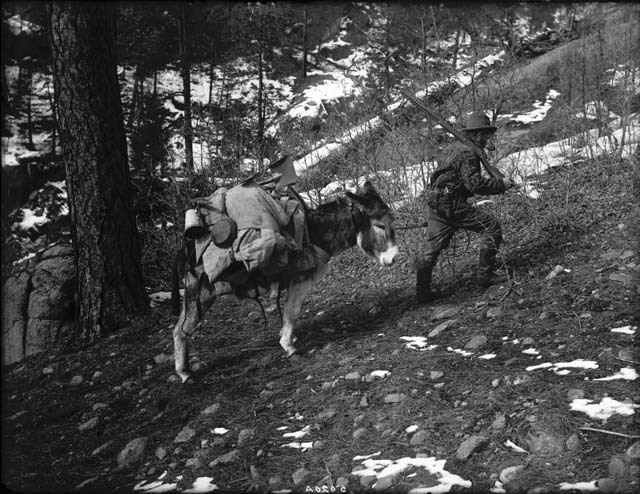


Methods and tools
Techniques vary with target and terrain. Simple methods include panning, hand-trowels and sieves; more advanced fieldwork uses rock sampling, mapping and metal detectors. Professional programs add geophysical and geochemical surveys, trenching and core drilling to reveal subsurface features. Common portable tools are hand lenses, GPS units, compasses, sample bags and basic assays to test composition.
Stages of exploration
Prospecting is often one stage within a larger mineral exploration sequence: desktop research and remote sensing; reconnaissance field surveys to identify promising areas; systematic sampling and assaying to estimate concentration; and defining targets that may lead to detailed drilling and feasibility studies. Results determine whether a deposit progresses toward development.
History and cultural context
Searching for native metals and precious stones is ancient, from early panning for gold to organized prospecting during historical gold rushes. In many regions, recreational fossicking remains a popular pastime and cultural tradition. Modern industrial prospecting evolved with advances in geology, surveying and instrumentation.
Regulation, environment and safety
Prospecting is regulated in most jurisdictions: access rights, permits and reporting obligations protect landowners, other resource users and the environment. Responsible prospecting minimizes disturbance, follows local laws and observes health and safety practices for remote work, handling samples and operating tools.
Importance and distinctions
Prospecting differs from mining in scale and intent: it seeks and evaluates occurrences, while mining extracts and processes ore. It also overlaps with fossil hunting when the objective is paleontological specimens. For further technical reference and industry standards see relevant exploration guidance.
Related articles
Author
AlegsaOnline.com Prospecting: search for minerals, fossils and precious metals Leandro Alegsa
URL: https://en.alegsaonline.com/art/79483