
Pope Anacletus (Cletus): early Bishop of Rome
Late 1st-century Bishop of Rome traditionally known as Anacletus or Cletus. Credited in early sources with organizing Roman Christian communities, building chapels, and remembered as a saint; many details are uncertain.
Overview
Pope Anacletus, often called Cletus in older sources, is a figure from the formative era of the Christian church who is traditionally listed among the earliest Bishops of Rome. Later Christian writers place his pontificate in the late first century, following Saint Peter and his immediate successor. Because surviving records from this period are fragmentary, dates and many particulars about his life remain matters of tradition rather than established historical fact.
Image gallery
3 Images

Names and historical sources
The man known as Anacletus appears in episcopal lists under two related names. Some ancient catalogues treat "Anacletus" (from the Greek Anákletos, "blameless") and "Cletus" as variants or as a single individual; other accounts have distinguished them. Information about him comes mainly from later church historians and the early catalogues of bishops rather than contemporary documents. These sources attribute a brief administration of the Roman church and a reputation for pastoral organization.
Traditional acts and local organization
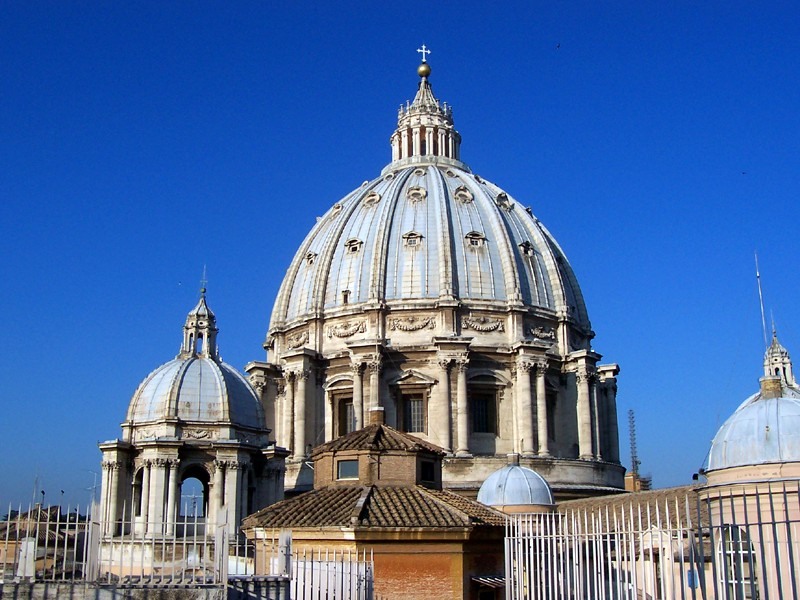
Tradition credits Anacletus with practical measures to support small and scattered communities of faithful in the city. He is said to have organized groups or precincts that resemble what later came to be called parishes, providing structure for worship, instruction, and baptism. Some accounts describe him founding a modest chapel or worship space in the vicinity of the tombs associated with earlier leaders, a location that later tradition connects with the site of the Basilica of St. Peter in Rome. Other traditions place missionary or baptismal activity in parts of southern Italy, for example in Ruvo, Apulia, where secret baptisms are sometimes named in local histories.
Context, legacy and veneration
In the narrative preserved by later church writers, Anacletus governed the Roman community after the death of Linus, helping to consolidate an organized presence of Christian groups in Rome. He is traditionally venerated as a saint in many Christian calendars and remembered for his role in the early development of church order. Some traditions also assert that he died a martyr, possibly during the reign of the emperor Domitian, and that he was buried close to the tomb of Saint Peter; however, modern historical scholarship treats such claims with caution given the scarcity of contemporary evidence.
Points of uncertainty and scholarly view
- Chronology: Exact dates for Anacletus's leadership are not firmly established and vary among traditions and later sources.
- Name confusion: The relationship between the names Anacletus and Cletus is debated — they may refer to the same person or to distinct figures conflated by later lists.
- Acts and martyrdom: Many specific acts and the claim of martyrdom derive from later hagiography; historians emphasize the limited reliability of these accounts for reconstructing historical events.
Significance: Whether taken as literal history or as later tradition, the figure of Anacletus exemplifies how the early Roman church of the first century is remembered as moving from informal house gatherings toward more organized structures. References to him appear in discussions of the early papacy and the development of communal worship in the city of Rome and are preserved in the succession lists that shaped later ecclesiastical memory across the broader Catholic Church and other Christian traditions. For further reading on early bishop lists and papal tradition see entries on the papacy and related historical treatments.
Related articles
Author
AlegsaOnline.com Pope Anacletus (Cletus): early Bishop of Rome Leandro Alegsa
URL: https://en.alegsaonline.com/art/78058
Sources
- newadvent.org : "List of Popes"