
Pope John XIX (Romanus): 11th‑century pontiff of the Tusculan family
Pope John XIX (born Romanus) led the Roman Church from 1024 to 1032. A member of the powerful Tusculan clan, he moved from layman to pope, crowned Emperor Conrad II and strengthened his family's influence over the papacy.
Pope John XIX, born Romanus and ruling as pope from 1024 until his death in October 1032, was a leading figure of early 11th‑century Rome. He is conventionally numbered as the 145th Pope. His election and tenure illustrate the close intertwining of aristocratic power and the papal office in this period.
Image gallery
2 Images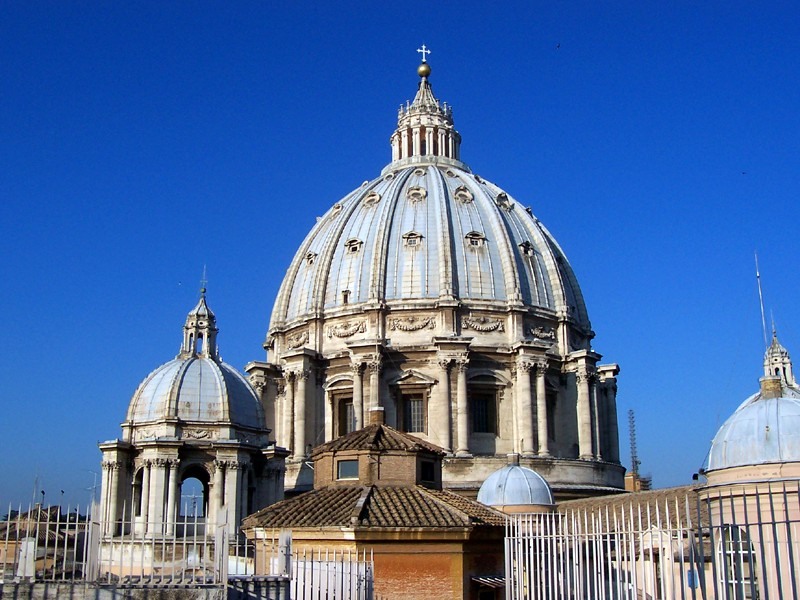

Background and election
Romanus belonged to the Tusculan family, a dominant Roman noble house that produced several popes and secular leaders. Historians emphasize that he was a lay aristocrat when chosen as pontiff, a fact that underscores the political nature of papal elections in that era. After his selection he was rapidly ordained through the clerical ranks to assume the office.
Papal reign and relations
John XIX's pontificate combined local administration of Rome with wider diplomatic activity. He maintained the Tusculan family's influence over the Roman See while engaging with major contemporary powers. Most notably, his pontificate included the coronation of the new ruler of the German kingdom, Conrad II, who was recognized as Holy Roman Emperor during John XIX's reign; John’s contacts with other Christian centres—East and West—reflected the Church’s diplomatic role at the time.
Administration and character
Contemporary chroniclers and later medieval writers often remark on the secular background of John XIX and the strong involvement of his family in church affairs. While some accounts criticize the worldly character of his household, others note that his papacy continued the work of maintaining diocesan structures and local liturgical life in central Italy. He is sometimes described as more an aristocratic ruler than a pontiff in the later idealized sense.
Legacy and historical significance
John XIX's importance lies less in sweeping reforms than in what his election and rule reveal about the 11th‑century papacy: the extent to which noble families could shape the office, the rapid elevation of laymen to ecclesiastical rank, and the papal role in imperial legitimacy. His family retained influence after his death; within a few years the Tusculan line continued to supply popes and contenders to the chair of Saint Peter.
- Name at birth: Romanus.
- Pontificate: 1024–October 1032.
- Family: Tusculan noble house; election reflects aristocratic control.
- Notable act: Involved in recognition and coronation ceremonies for the imperial claimant (Holy Roman Emperor).
For additional context on the political background of John XIX and the Tusculan dynasty, see discussions of Rome's aristocratic families and of the papal‑imperial relationship of the early medieval period. His career illustrates how the papacy in the years before the Gregorian reforms could be as much a product of family power as of ecclesiastical election. Further reading can be found in general surveys of medieval popes and studies of Rome in the eleventh century; contemporary ecclesiastical titles and offices are summarized in resources on the role of a bishop and the institution of the Tusculan family in Roman politics.
Related articles
Author
AlegsaOnline.com Pope John XIX (Romanus): 11th‑century pontiff of the Tusculan family Leandro Alegsa
URL: https://en.alegsaonline.com/art/78078
Sources
- newadvent.org : "List of Popes,"
- newadvent.org : Pope John XIX,"
- books.google.com : The Encyclopaedia Britannica: A Dictionary of Arts, Sciences, and General Literature
- books.google.com : Penny Cyclopaedia of the Society for the Diffusion of Useful Knowledge
- araldicavaticana.com : Stemmi Papali
- araldicavaticana.com : Giovanni XIX