
Apulia (Puglia): region of southern Italy
Apulia (Italian Puglia) is a southeastern Italian region on the Adriatic with unique landscapes, historic towns, olive groves, trulli houses and a coastline from Gargano to the Salento peninsula.
Overview
Apulia, known in Italian as Puglia and in Albanian as Pulia, occupies the heel of the Italian peninsula. It lies in Italy in the far south of the mainland (southern Italy), and its long eastern shore faces the Adriatic Sea. The region's administrative capital is Bari, an important port and university city whose old town and seafront anchor regional life.
Image gallery
10 Images




Geography and subregions
Apulia combines coastal plains, limestone plateaus and low hills. Notable geographic areas include the Gargano promontory and national park to the north, the wide Tavoliere plain, and the Salento peninsula in the south — the latter described as the "high heel" of Italy's boot and referenced locally as Salento. The region looks toward both the Adriatic and Ionian seas and supports extensive agriculture, especially olive groves.
Cities and landmarks
- Bari — regional capital, port and cultural hub.
- Brindisi — historic harbor linking Italy to the eastern Mediterranean.
- Lecce — known for baroque architecture and often called the "Florence of the South."
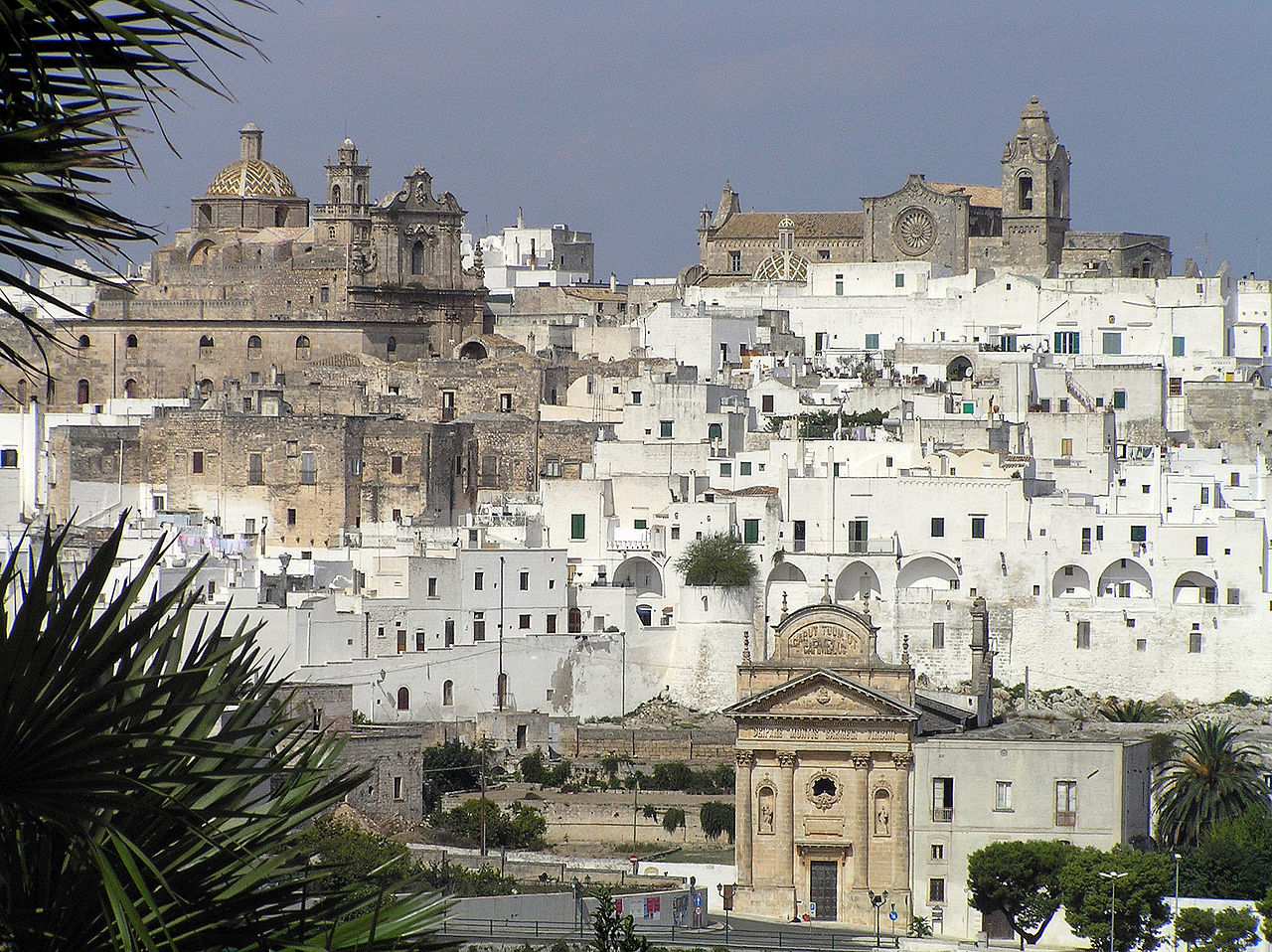
- Alberobello — famous for its conical trulli houses (UNESCO site).
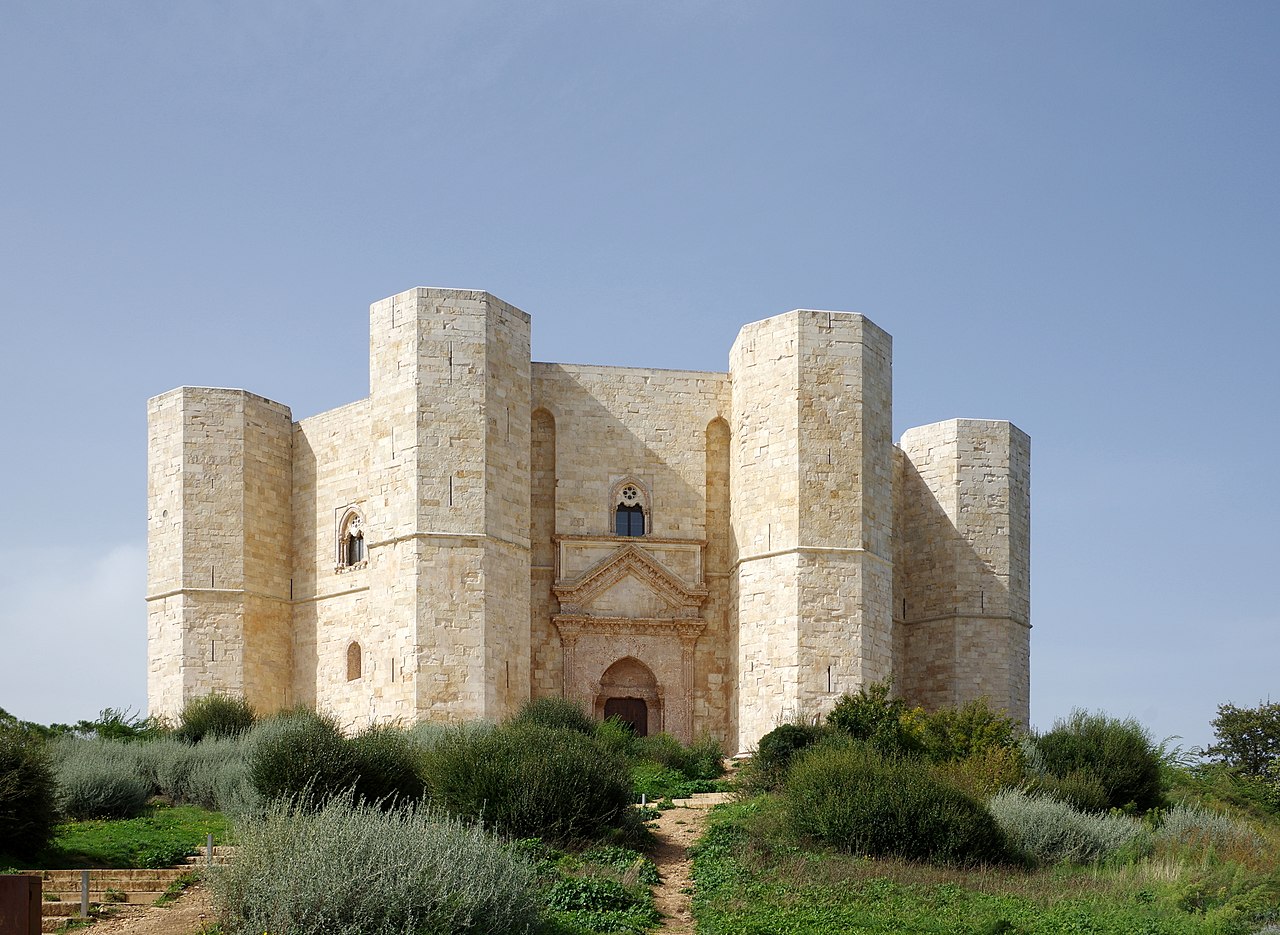
- Castel del Monte — 13th-century hilltop castle and UNESCO World Heritage site.
History and cultural influences
Apulia has a layered history shaped by Greeks, Romans, Byzantines, Normans and later medieval powers. Ancient Greek settlers left lasting names and archaeological sites; Roman roads and ports integrated the region into broader Mediterranean trade. Over centuries Apulia developed a distinct vernacular architecture and folk traditions that blend eastern and western Mediterranean influences.
Economy, agriculture and cuisine
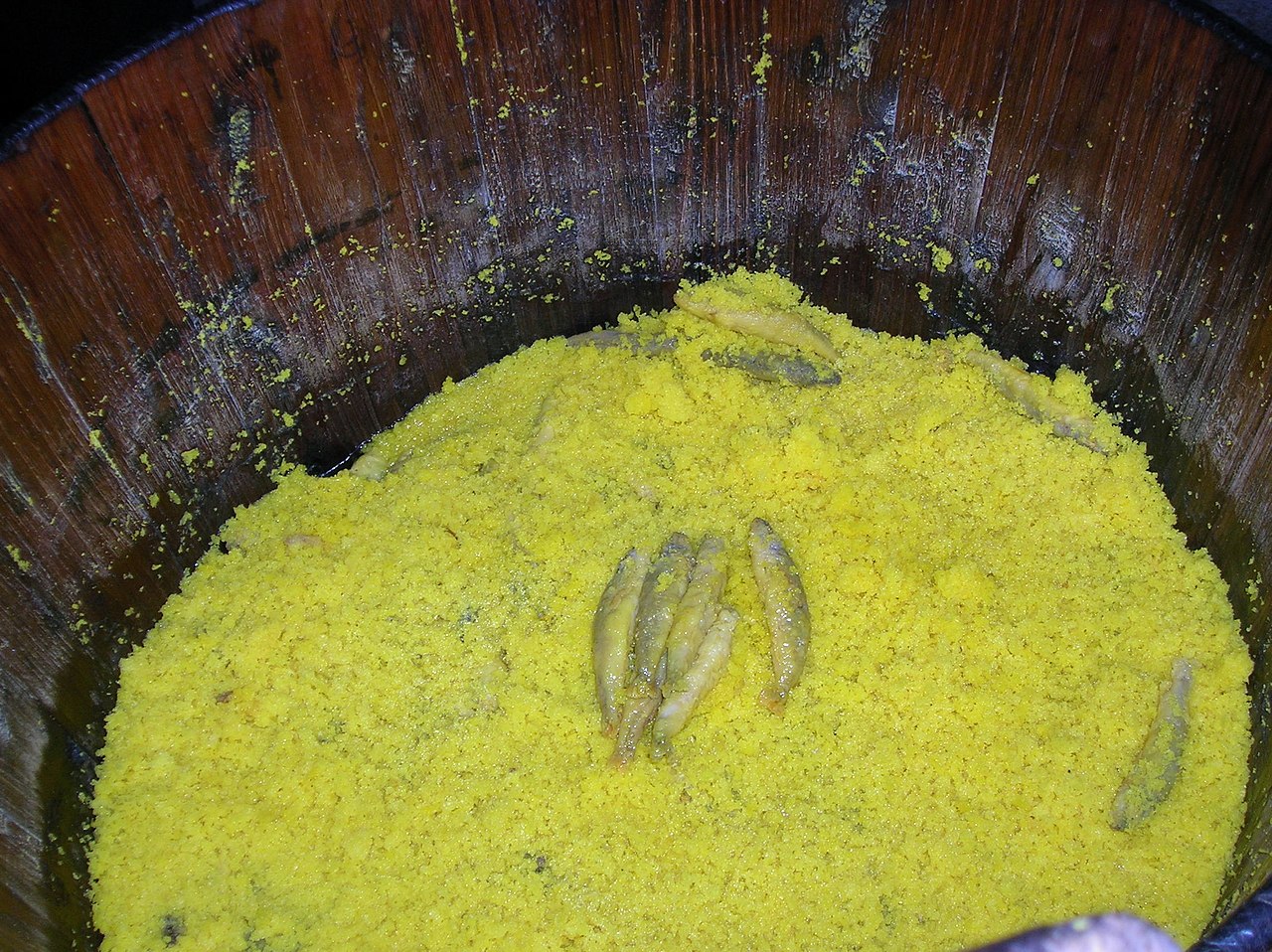
Agriculture remains central: olive oil, grapes for wine, durum wheat and vegetables are widespread. The many centuries-old olive trees define much of the landscape. Coastal fishing, shipbuilding in some ports, food processing and a growing tourism sector round out the economy. Apulian cuisine highlights simple, locally sourced ingredients: breads, orecchiette pasta, seafood, vegetables and robust olive oil.
Tourism and notable facts
Visitors come for beaches, historic towns, baroque churches in Lecce, the trulli of the Itria Valley and natural areas such as the Gargano promontory. The region's long coastline hosts both lively resorts and quieter coves. Apulia's mix of agricultural landscape, archaeological sites and coastal scenery make it a distinct part of southern Italy with cultural and environmental variety.
Further reading
For practical travel, history or administrative details consult regional and national guides and the pages on Italy, southern Italy and the city pages for Bari, Brindisi or local resources on Salento. General language and name entries appear under Puglia and related cultural notes under Pulia.
Questions and answers
Q: What is the Italian name for Puglia?
A: The Italian name for Puglia is "Puglia".
Q: What is the Albanian name for Puglia?
A: The Albanian name for Puglia is "Pulia".
Q: What was the Ancient Greek name for Puglia?
A: The Ancient Greek name for Puglia was "Ἀπουλία".
Q: Where is Puglia located in Italy?
A: Puglia is located in southern Italy on the Adriatic Sea.
Q: What city serves as its capital?
A: The capital of Puglia is Bari.
Q: How does Salento peninsula appear geographically?
A: Salento peninsula, which makes up the southernmost portion of Puglia, has the shape of a high heel on the "boot" of Italy.
Related articles
Author
AlegsaOnline.com Apulia (Puglia): region of southern Italy Leandro Alegsa
URL: https://en.alegsaonline.com/art/5069
Sources
- demo.istat.it : "Statistiche demografiche ISTAT"
- tuttitalia.it : "'Puglia"