
Pope Clement I (Saint Clement of Rome)
Early Bishop of Rome traditionally dated to the late 1st century; author of the letter 1 Clement; venerated as a saint and remembered for an early example of Roman intervention in church disputes.
Overview
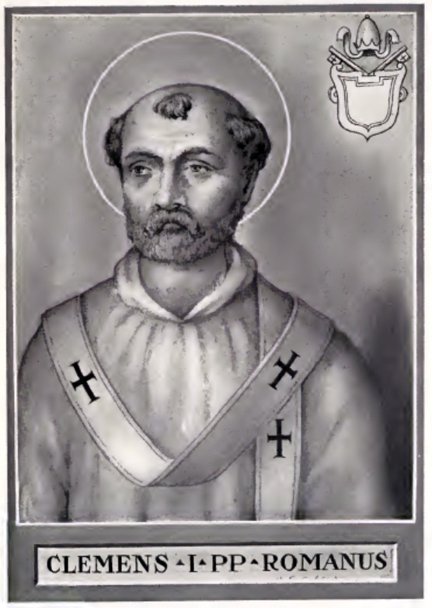
Pope Clement I, often called Saint Clement of Rome, is one of the earliest bishops of Rome known from both Christian tradition and surviving early Christian literature. He is traditionally placed in the late first century (commonly dated to the 90s AD) and is remembered chiefly for a letter addressed to the church in Corinth and for a longstanding tradition of martyrdom. Contemporary historical details about his life are scarce; what survives is a mixture of early documentary evidence and later hagiographical legend.
Image gallery
10 Images






The Letter to the Corinthians (1 Clement)
1 Clement is an open letter traditionally attributed to the Bishop of Rome and addressed to the Christian community in Corinth. It is one of the earliest extant Christian writings outside the New Testament and is important for understanding worship, discipline, and church order in the second half of the first century. The letter urges peace and the restoration of deposed presbyters, appeals to examples of faith and martyrdom, and emphasizes unity and respect for apostolic tradition. Scholars view the letter as evidence that a prominent Roman church exercised moral influence over other Christian communities, though the exact nature of Roman authority at the time remains debated.
Tradition and Martyrdom
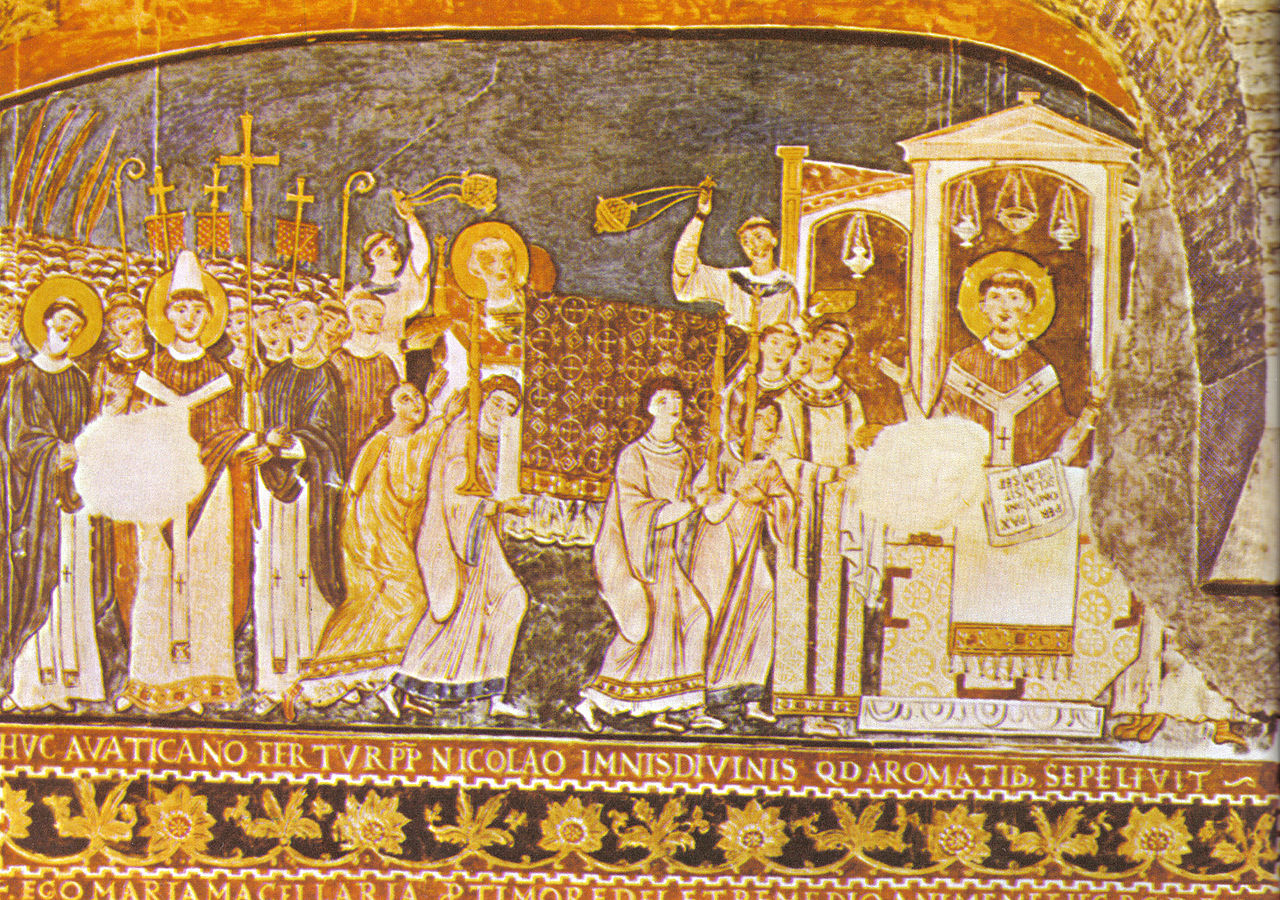
Later Christian tradition claims that Clement was martyred, with a persistent legend that he was cast into the sea with an anchor tied around his neck. This image—Clement associated with an anchor—became a common motif in medieval art and hagiography and led to his adoption as a patron figure for sailors in some Christian communities. The circumstances, date and location of his death are not reliably documented; various accounts place his martyrdom under different Roman emperors and in different regions. Modern historians treat these accounts cautiously and distinguish between early documentary evidence and later legendary accretions.
Veneration and Legacy
Clement has been honored as a saint in both Eastern and Western Christian traditions for many centuries. His feast day is observed on November 23 in several liturgical calendars. The letter bearing his name influenced later debates about church authority, order, and the continuity of apostolic teaching. Churches and basilicas in Rome and elsewhere claim relics or connections to Clement, and his name has been adopted by successive popes and by places and institutions in the Christian world. His example illustrates how an early Christian leader could be remembered through both a surviving text and popular devotion.
Notable distinctions and context
Saint Clement of Rome should not be confused with other early Christian authors named Clement (for example, Clement of Alexandria). While 1 Clement was once read in many churches and enjoyed high regard, it was not ultimately included in the New Testament canon. The letter remains valuable to historians and theologians for its witness to early Christian practice: liturgical forms, appeals to apostolic precedent, concern for ecclesiastical order, and an emphasis on humility and repentance. Because most firm biographical facts are lacking, careful scholarship distinguishes between what the earliest documents show and what later tradition added.
Further reading and resources
- Entry on Clement in reference source 1
- Overview in reference source 2
- Discussion of traditional family connections
- Notes on Roman social context and consular families
- Work on early Christian historians and chroniclers
- Studies of church disputes and reconciliation
- Context on internal challenges in early Christian communities
- Resources about the church in Corinth
- Materials on early church law and customs
- Survey of liturgical and customary development
- Background on persecutions of Christians in the Roman Empire
- Accounts of penal labor and exile in antiquity
- Interactions between Christians and pagans in the period
- Conversion narratives and teaching practices
- Traditions concerning miracles attributed to early saints
- Sources on martyrdom narratives and their forms
- Iconography and symbols associated with Clement
- Reports of relics and sites associated with Clement
- Veneration of Clement in Eastern Christian traditions
- Regional commemorations and local traditions
Questions and answers
Q: Who was Pope Clement?
A: Pope Clement was the fourth Pope of the Catholic Church, serving from 88-97 C.E. He was born in Velletri, Latium and came from a very important family.
Q: What did he do during his time as pope?
A: During his time as pope, he recorded many important events such as the martyrdom of his predecessors and the settling of disputes among Christians. He also wrote to the church in Corinth asking them to end their dispute with their fellow Christians, which they did. This established the precedent of Popes being the final person to decide rules within the Church. He either established or continued practice of recording laws and customs of the Church.
Q: How did Emperor Trajan persecute him?
A: Emperor Trajan persecuted Pope Clement by sending him to do hard labor in a mine.
Q: What is he credited with doing while in prison?
A: While in prison, Pope Clement is credited with teaching other prisoners about Christianity and even performing a miracle during that time.
Q: How is he remembered today?
A: Today, Pope Clement is highly regarded by both Russian Orthodox Catholics in Ukraine and all Catholics around the world who honor him through ceremonial liturgy on his feast day (November 23). He is also considered a Saint of the church.
Q: Where are his relics kept today?
A: His relics and an anchor associated with his martyrdom were retrieved and preserved in a church submerged in Black Sea that can still be seen part of each year and entered into today.
Related articles
Author
AlegsaOnline.com Pope Clement I (Saint Clement of Rome) Leandro Alegsa
URL: https://en.alegsaonline.com/art/78067
Sources
- catholic.org : catholic.org/saints/saint.php?saint_id=37
- newadvent.org : "List of Popes"