
Basilica: architectural form and ecclesiastical title
A basilica is an architectural type and, in Christianity, an honorific title for important churches. It originated in Roman public buildings and was adapted by early Christians for worship.
Overview
A basilica is both an architectural form and, in many Christian traditions, a designation for a prominent church. Architecturally, it denotes a building with a longitudinal plan organized around a central nave and side aisles. Ecclesiastically, the term has come to signal special liturgical, historical or pastoral importance and may be granted as an honorary title.
Image gallery
10 Images


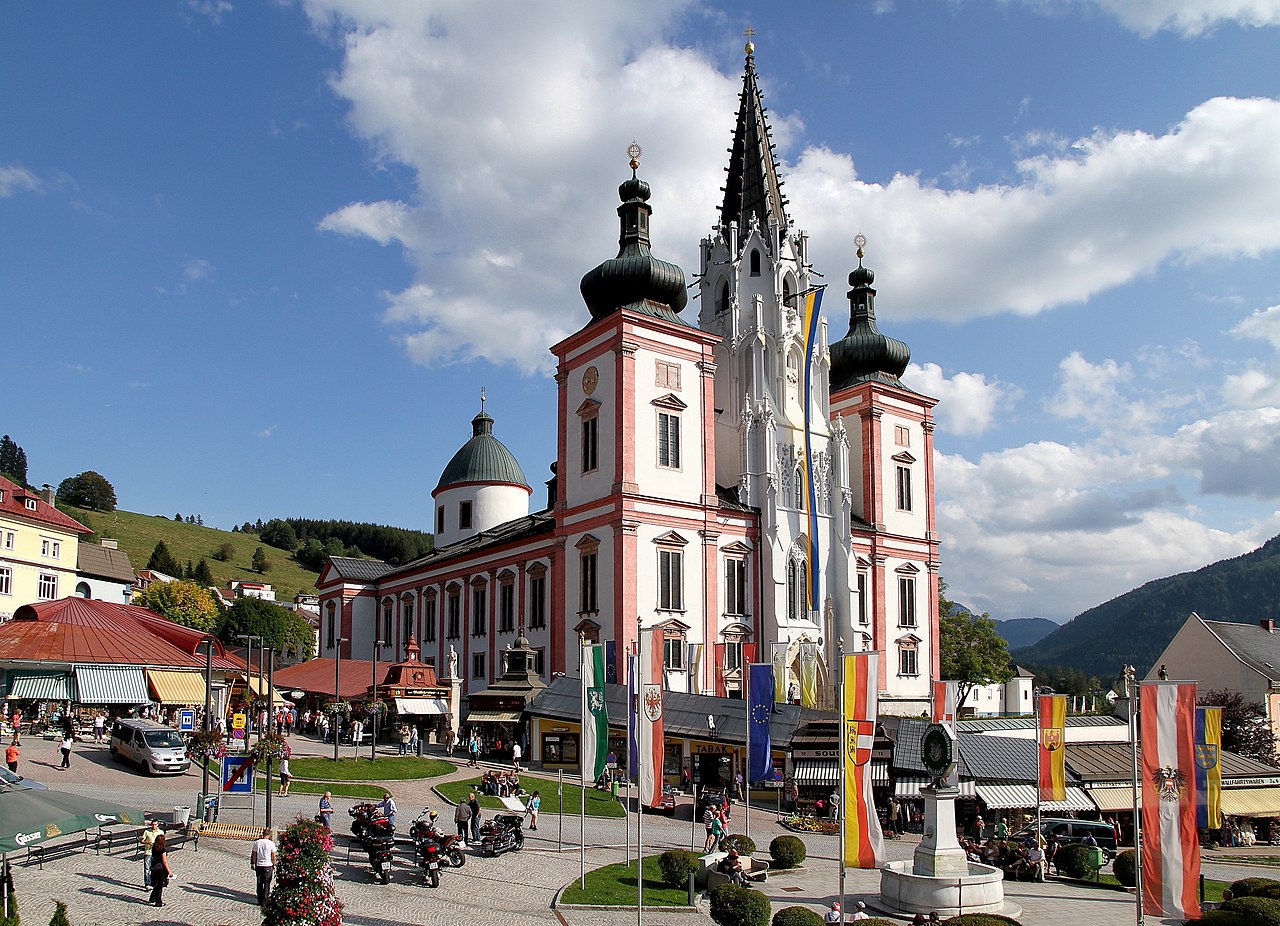


Architecture and principal parts
The classic basilica plan evolved from Roman civic buildings. Typical elements include:
- Nave: the main, central aisle where the congregation gathers.
- Aisles: one or more parallel aisles separated from the nave by rows of columns or piers.
- Apse: a semicircular or polygonal recess at one end that often houses the altar.
- Narthex and clerestory: an entrance vestibule and upper windows that admit light into the nave.
History and development
The word itself comes from Latin, adopted from the Greek phrase Basiliké Stoà. In Roman cities the Roman basilica served as a public hall used for trade, administration and law and civic meetings. After Christianity gained legal status in the Roman Empire, Christians adapted this practical, spacious form for congregational worship, adding liturgical furnishings and sometimes a transept to produce a cross-shaped plan.
Ecclesiastical status and types
Within the Catholic Church a distinction exists between "major" and "minor" basilicas. Major basilicas are the few highest-ranking churches, while many important regional churches are named "minor basilicas" in recognition of their significance. The title implies certain privileges and responsibilities in worship and pilgrimage.
Examples and significance
Famous basilicas are often pilgrimage destinations and cultural landmarks. Beyond Christian uses, the basilica form influenced later civic and ecclesiastical architecture across Europe and beyond. Its spacious, processional layout remains a model for large religious buildings and secular assembly halls today.
For further reading on origins, architectural evolution and liturgical role see general resources on Roman building types and church architecture, including sources in Latin studies and classical scholarship.
Questions and answers
Q: What is a basilica?
A: A basilica is a significant, large church or an ancient Roman building that served as a meeting place for law and meetings.
Q: What is the origin of the word "basilica"?
A: The word "basilica" comes from Latin, which was derived from the Greek "Basiliké Stoà."
Q: How is the word "basilica" used nowadays?
A: The word "basilica" is used today in three ways.
Q: What are the three ways in which the word "basilica" is used today?
A: The word "basilica" is used nowadays to refer to large, important churches, an ancient Roman building and a type of architecture style.
Q: Can a basilica only refer to a religious building?
A: No, a basilica can also refer to an ancient Roman building that was used as a meeting place or courthouse.
Q: What is the meaning of the Greek term "Basiliké Stoà"?
A: "Basiliké Stoà" is the Greek term from which the word "basilica" was derived, and it means "Royal Stoa."
Q: What is the significance of basilicas in historical architecture?
A: Basilicas hold a significant place in historical architecture as they are considered one of the earliest architectural styles and played an important role in Roman public life.
Related articles
Author
AlegsaOnline.com Basilica: architectural form and ecclesiastical title Leandro Alegsa
URL: https://en.alegsaonline.com/art/9249
Sources
- simple.wiktionary.org : basilica
- commons.wikimedia.org : Basilicas
- employees.oneonta.edu : Architecture of the basilica
- sights.seindal.dk : Basilica Porcia
- penelope.uchicago.edu : W. Thayer, "Basilicas of Ancient Rome":
- gcatholic.com : List of All Major, Patriarchal and Minor Basilicas
- newadvent.org : Catholic Encyclopedia:
- adoremus.org : Domus ecclesiae: Privileges and obligations pertaining to minor basilicas