
Pope Hyginus
Pope Hyginus was an early Bishop of Rome (c.138–142 AD), a Greek from Athens who confronted Gnostic teachings, is commemorated as a saint, and figures in early Christian tradition.
Overview
Pope Hyginus served as the Bishop of Rome in the mid‑second century (commonly dated c.138–142 AD). He is numbered among the early bishops of the Christian community in Rome and is remembered in later ecclesiastical lists as the eighth successor of Peter. Tradition describes him as a Greek by birth from Athens, who led the Roman church at a time when Christianity was still forming its structures and teachings.
Image gallery
2 Images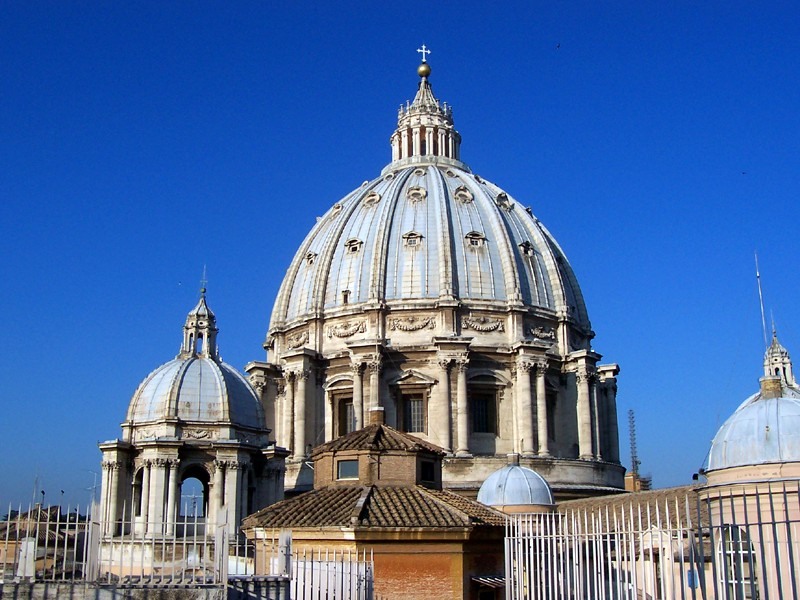

Role and challenges during his pontificate
As head of the Roman community, sometimes referred to by the formal title Bishop of Rome, Hyginus faced theological disputes that threatened doctrinal unity. The second century saw the rise of several alternative interpretations of Christian belief, of which the Gnostics were among the most prominent. These groups offered competing myths and cosmologies that many church leaders regarded as heresy because they contradicted the apostolic teaching accepted by the mainstream church. Sources record that Hyginus confronted figures associated with these movements, including Valentinus and Cerdo, who were later labeled as heretical by church writers.
Actions attributed to Hyginus
- Opposition to Gnostic teachers: Early accounts emphasize his role in identifying and rejecting teachings seen as inconsistent with core Christian doctrine.
- Pastoral leadership: Tradition credits him with attention to the organization and discipline of the Roman clergy, a matter of practical importance as local communities grew.
- Liturgical and doctrinal stewardship: While detailed records from his pontificate are scarce, Hyginus is presented in later sources as safeguarding the faith during a formative period.
Death, veneration, and historical caution
Later Christian tradition holds that Hyginus died a martyr, and he was honored as a Saint with a feast observed on January 11. It should be noted that the documentary evidence for the exact circumstances of his death is limited; many early pontiffs were later described as martyrs in hagiographical accounts even when contemporary proof is lacking. His canonization predates the formal procedures used by the medieval and modern church (often described as "pre‑congregation").
Significance and later reception
Hyginus is an example of an early church leader whose reputation rests largely on later ecclesiastical histories and compilations. He is significant for what he represents: the Roman church's effort to define orthodox belief and to respond to rival interpretations during a critical period of doctrinal consolidation. As with many figures from this era, historical reconstructions combine sparse contemporary traces with later tradition, so modern assessments treat some details with caution while acknowledging his place in the succession of Roman bishops.
Further reading and reference points
For contextual study, readers may consult general surveys of the early Catholic Church, works on Gnosticism and second‑century Christian controversies, and compilations of the lives of early popes. These sources help distinguish between what is attested in surviving early documents and what reflects later pious elaboration.
Related topics and entries: Heresy, Gnostics, and biographies of Valentinus and Cerdo offer background on the debates that shaped Hyginus's tenure. Additional online or printed references can be found through ecclesiastical histories and collections of papal biographies (Bishop of Rome).
Related articles
Author
AlegsaOnline.com Pope Hyginus Leandro Alegsa
URL: https://en.alegsaonline.com/art/78074