
Pontoon bridge: floating crossings, design, history, and uses
A pontoon bridge is a floating structure supported by barges or boats. This article explains its components, history from ancient military use to modern permanent spans, applications, advantages, and limitations.
A pontoon bridge is a type of bridge that carries a roadway across water by resting on floating supports called pontoons. Rather than relying on fixed piers sunk into the bed, pontoons—barges, sealed hollow chambers or specially shaped floats—support the deck and transfer loads to the water. Pontoon bridges range from simple temporary crossings erected within hours to engineered, long-lived floating structures placed in sheltered waterways where deep foundations are impractical.
Image gallery
10 Images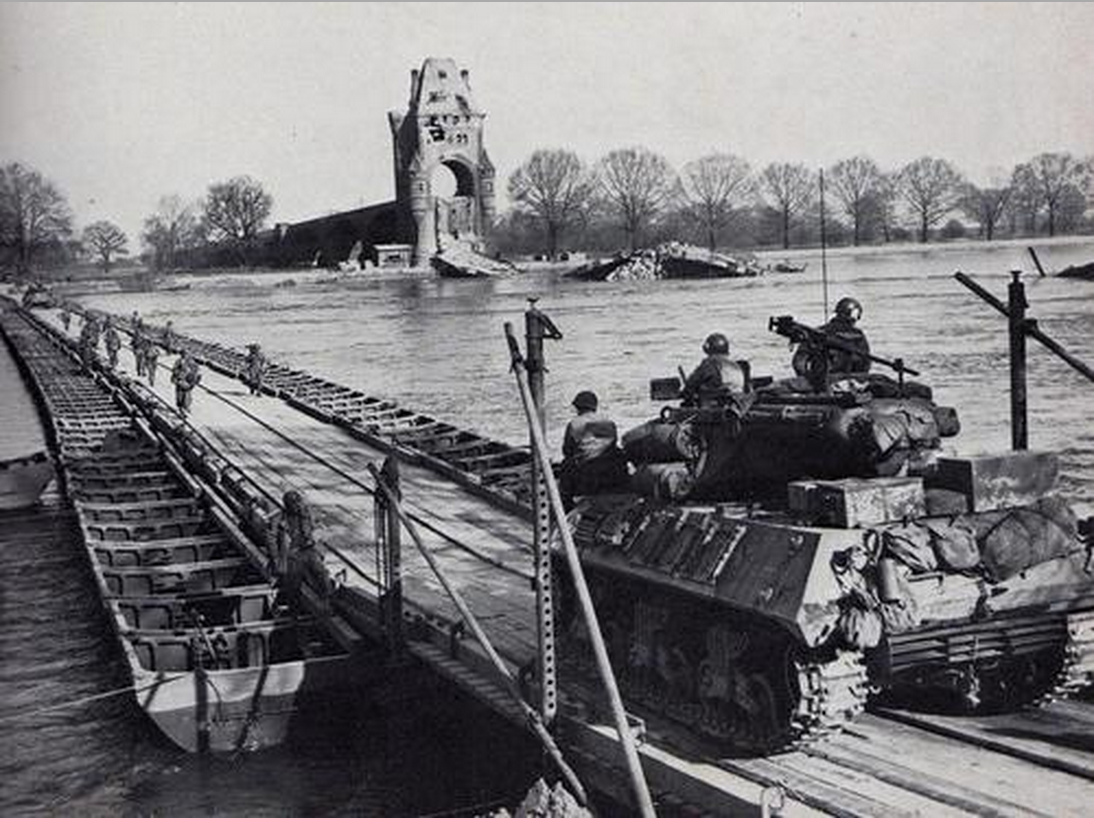


Design and main components
Typical pontoon bridges consist of several coordinated elements. Understanding these components clarifies how floating bridges manage traffic and environmental forces:
- Pontoons: Buoyant units that support the deck and keep the structure afloat. They can be modular, steel or concrete, and are arranged in lines or rafts.
- Decking and connectors: Roadway panels, ramps and joints that create a continuous surface and transfer loads between pontoons.
- Anchoring and mooring: Systems of anchors, cables or piles that limit lateral movement from currents, wind and waves and maintain alignment.
- Movable spans: Sections that can be opened, lifted or removed to allow passage of ships or to adapt to changing water levels.
- Access structures: End ramps and transition spans that link the floating portion to land-based roadways and provide elevation where needed.
History and development
Floating bridges have ancient roots. Militaries and engineers used pontoons to cross rivers long before modern bridge-building techniques existed. Roman legions are well documented as carrying equipment to construct temporary floating crossings, and some historical accounts attribute early Asian dynasties with pioneering floating structures. Over centuries, pontoon technology evolved from simple log rafts to purpose-built metal and concrete pontoons, enabling heavier loads and longer service lives.
In wartime, pontoon bridges have been prized for speed and flexibility. Armies have used them to move troops, wagons and artillery across rivers where permanent bridges were unavailable or defended. Civil engineers later adapted the idea for civilian transport when conditions—depth, soft soils, or cost—made conventional piers impractical.
Uses, examples and practical considerations
Pontoon bridges are used in a mix of military, emergency, ceremonial and permanent civil roles. Common applications include:
- Rapid military river crossings or temporary logistic links during operations.
- Emergency or disaster-response bridges after earthquakes or floods when permanent structures are damaged.
- Permanent floating spans in protected bays and lakes where deep-water foundations would be costly or technically difficult.
- Seasonal or event crossings for festivals, construction access or temporary detours.
Advantages include speed of assembly, adaptability to varying water levels and lower initial cost compared with deep-foundation bridges. Disadvantages are vulnerability to severe weather, limits on load-bearing capacity relative to fixed bridges, and potential interference with navigation unless movable sections are provided. Environmental impacts and the need for ongoing maintenance are additional considerations.
Notable distinctions and facts
Pontoon bridges differ from other floating or low-water crossings such as causeways, which are typically solid earth or rock fills, and from suspension or beam bridges that rely on piers and cables. Modern permanent floating bridges are engineered to withstand regular traffic and may incorporate sophisticated anchoring and wave-damping systems. In contrast, military pontoons emphasize modularity and rapid assembly.
For those seeking more detailed technical guidance or historical case studies, consult resources on structural design, river engineering and military logistics. See bridge design references, historical summaries at engineering history sites and accounts of military use at military engineering sources. Additional practical guidance and examples can be found via civil works documentation, river navigation authorities and regulatory overviews, and illustrated case studies of temporary crossings. For broader historical context see regional histories and archaeological summaries on early construction. Technical standards and modern project reports are available through design manuals and industry publications for deeper study.
Note: Specific design choices—pontoon material, anchoring arrangement, traffic capacity and movable span type—depend on site conditions, intended duration and the loads to be carried. Proper engineering assessment is essential before building or using a pontoon bridge.
Related articles
Author
AlegsaOnline.com Pontoon bridge: floating crossings, design, history, and uses Leandro Alegsa
URL: https://en.alegsaonline.com/art/78007
Sources
- history.army.mil : The Corps of Engineers: The War Against Germany