
Pier (raised walkway and coastal structure)
A pier is a raised platform built over water to provide access, berthing, recreation, or support for structures; designs range from simple wooden walkways to large commercial or leisure complexes.
A pier is a raised structure projecting from the shore over water to provide access, support and separation between land and water. Piers serve many functions: they carry pedestrians, vehicles or rails out over the tide; support berths for boats and ships; host recreational amenities; and sometimes carry utilities. They vary in size from narrow wooden walkways to extensive constructions with buildings, attractions and transport facilities stretching far offshore.
Image gallery
6 Images
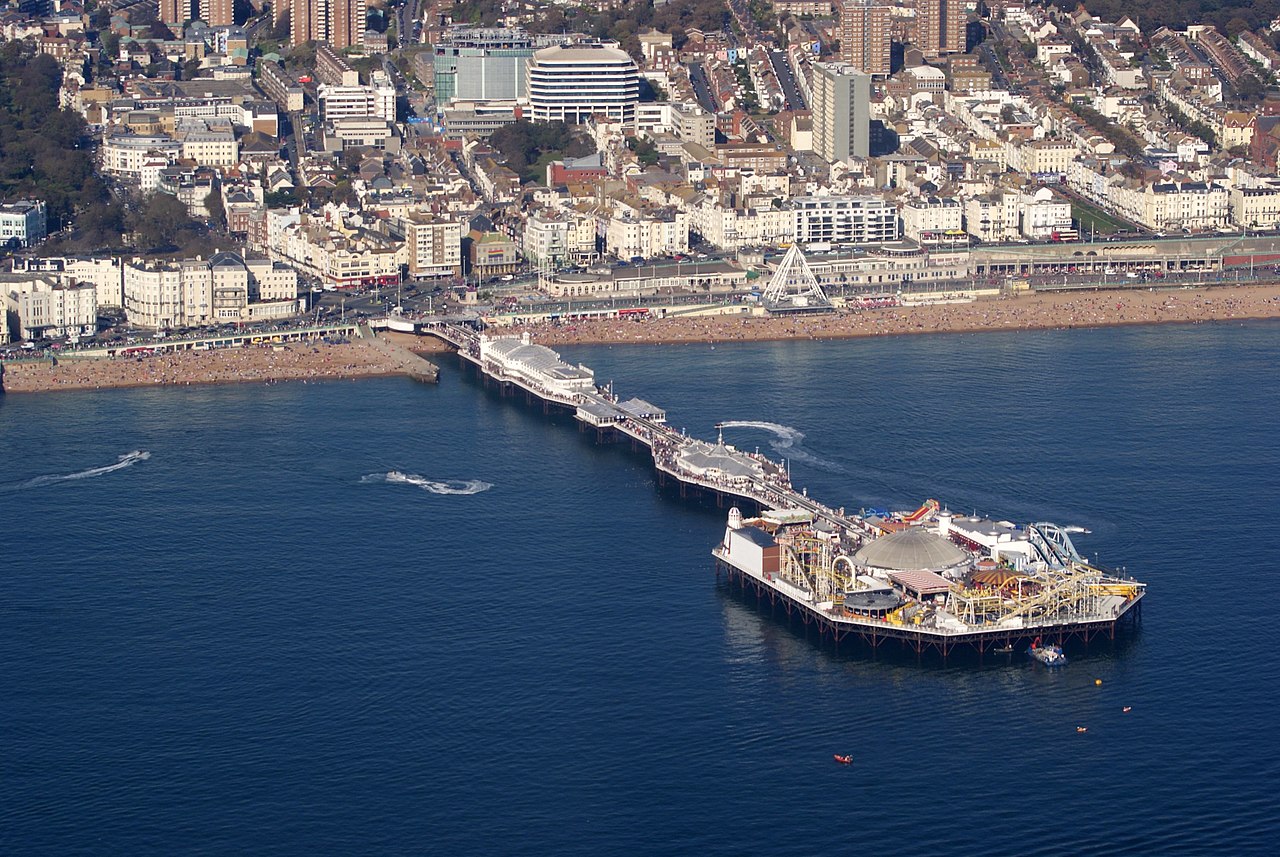


Common parts and materials
Typical components include the piled foundation, a horizontal deck, handrails and fendering at the seaward end. Piles are driven or bored into the seabed and transfer loads into deeper layers; pile caps and stringers tie the piles together and carry the deck. Decking and superstructure are made from a variety of materials depending on load, environment and cost.
- Foundations: timber piles, steel piles, or reinforced concrete piles.
- Decking and superstructure: treated timber, reinforced concrete, steel or modern composites.
- Extras: fenders, mooring bollards, lighting, railings and utility conduits.
Types and uses
Piers can be broadly classified by function:
- Recreational piers with promenades, amusements and viewing platforms.
- Fishing piers built for anglers and light public access.
- Commercial piers supporting cargo handling, cruise terminals or ferry landings.
- Industrial and utility piers used for pipelines, power or offshore support.
History and development
Simple piers have existed wherever communities needed access to deeper water. With industrialisation and seaside leisure in the 18th and 19th centuries, piers developed into engineered structures: heavier materials, pile-driving technology and new design standards allowed longer and more durable constructions. Famous pleasure piers and seaside piers became social and economic focal points in many coastal towns.
Distinctions and considerations
Terminology varies by region: in some places a pier may be called a dock or wharf, while other terms such as quay, jetty or causeway describe related but distinct forms. For example, a quay is usually a solid, shore-parallel structure, a jetty projects into water to influence currents or protect a channel, and a dock refers to an enclosed basin for ships. In the United States regional usage and regulatory definitions influence naming.
Engineering and environmental issues are important: tidal flows, wave energy, marine growth and corrosion affect performance and lifespan. Modern designs address durability, maintenance access and ecological impacts, and some piers incorporate habitat enhancement measures or serve as platforms for renewable energy and monitoring equipment. Whether modest or monumental, piers remain vital links between land and sea.


See also
- jetty (equivalent to a small pier)
- List of piers
- List of piers in Germany
- List of piers in the United Kingdom
- Kai
Related articles
Author
AlegsaOnline.com Pier (raised walkway and coastal structure) Leandro Alegsa
URL: https://en.alegsaonline.com/art/76778