
Porsche 924: Porsche's entry-level sports car (1976–1988)
The Porsche 924 is a front-engined sports coupe built by Porsche in Germany from 1976 to 1988. It introduced a balanced transaxle layout to the brand and produced several performance and competition variants.
The Porsche 924 is a compact sports coupe produced by Porsche in Germany from 1976 until 1988. Conceived as an accessible, road-oriented model, the 924 combined sporting intent with everyday usability. Its styling, hatchback body and distinctive pop-up headlights made it immediately recognisable in Porsche's model range.
Image gallery
10 Images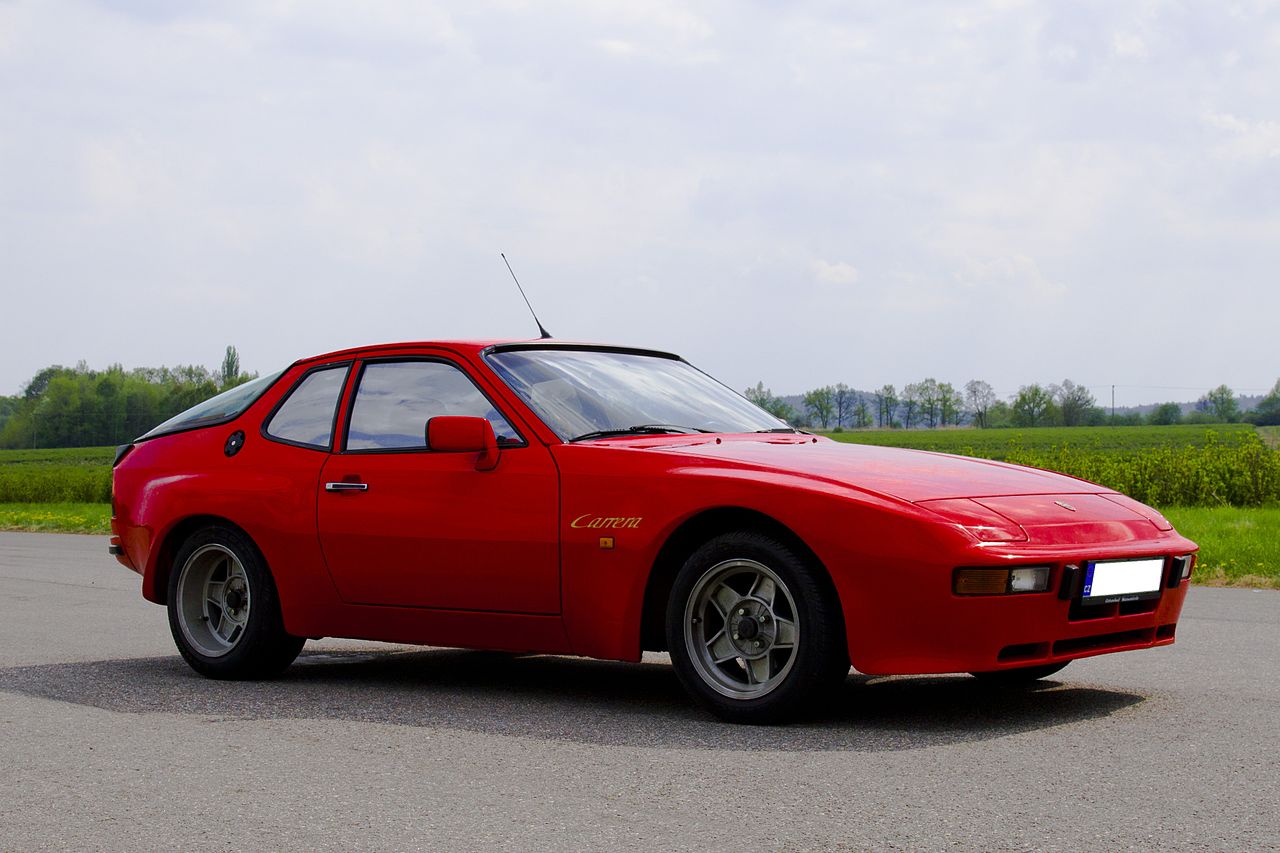


Design and engineering
Mechanically the 924 used a front-engine, rear transaxle layout intended to improve weight distribution and handling. Early road cars commonly used a naturally aspirated four-cylinder engine mounted ahead of the cabin, paired with a gearbox at the rear to produce near-ideal weight balance for a sports car. The body was a lightweight steel shell with a roomy cabin and a practical rear hatch.
Key features
- Front-mounted four-cylinder engine (road-going variants).
- Rear transaxle gearbox to achieve balanced handling.
- Hatchback body with two+two seating and pop-up headlights.
- Available in higher-performance and competition trims over its life.
Throughout its production the 924 was offered in a range of specifications: base road versions for daily driving, turbocharged variants that boosted performance, and special competition-oriented editions created for club racing and homologation. Later models incorporated factory upgrades to suspension, braking and engine breathing to sharpen dynamics.
History and legacy
Introduced in the mid-1970s, the 924 became Porsche's entry-level model and helped the company reach a broader market. Production continued through the 1980s and the 924's engineering themes influenced subsequent Porsche models. It was ultimately phased out as later models took its place in the lineup, but it remains an important step in Porsche's post-war development.
The 924 is also notable among enthusiasts for its motorsport use, its relative mechanical simplicity and its role as an affordable way into classic Porsche ownership. A curious modern footnote: a 1979 car that had been stolen in 1991 was recovered in 2017 after more than two decades missing, a reminder of the model's enduring presence among collectors and clubs.
Related articles
Author
AlegsaOnline.com Porsche 924: Porsche's entry-level sports car (1976–1988) Leandro Alegsa
URL: https://en.alegsaonline.com/art/78166