
Pontic Mountains: Northern Anatolia’s Coastal Range
A concise overview of the Pontic Mountains in northern Turkey: geography, geology, ecology, human use, and notable subranges including the Kaçkar massif and coastal ecosystems.
The Pontic Mountains are a long mountain system that runs parallel to the southern shore of the Black Sea in northern Turkey. Often called the Pontic or North Anatolian range, they form a distinct band of highlands that separate the coastal strip from the central Anatolian plateau. For a general reference see Pontic Mountains, and to locate them nationally see Turkey. Their setting in northern Anatolia is central to regional climate and culture: the range borders the Black Sea coast closely (Anatolia and Black Sea).
Image gallery
3 Images

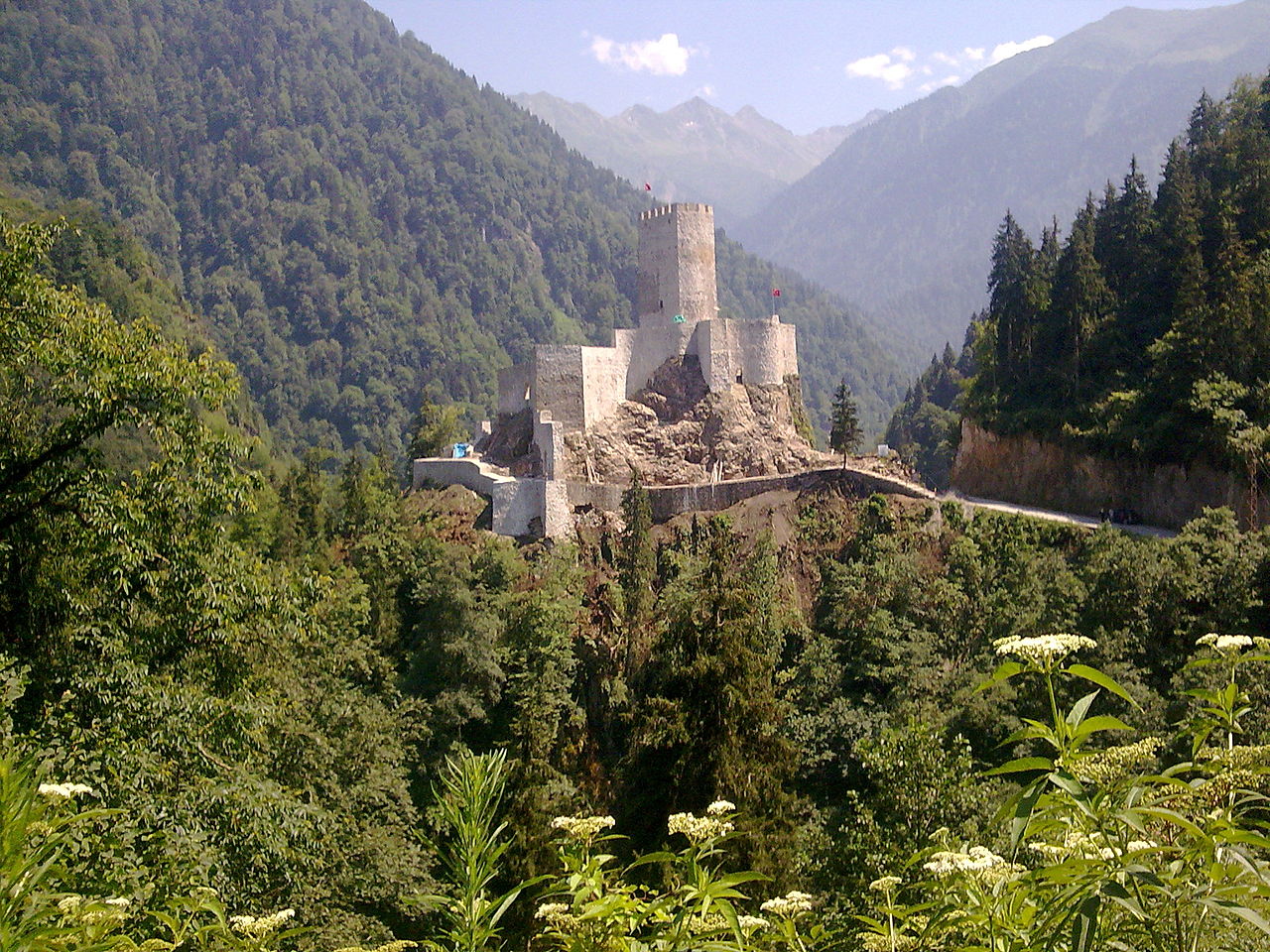
Geography and structure
The chain extends roughly west–east and is commonly divided into western, central and eastern sections. Peaks rise steeply from a narrow coastal plain, producing deep river valleys and rugged terrain. The highest peaks occur in the eastern sector, notably the Kaçkar massif, which reaches elevations of about 3,900 metres. Major rivers draining the range flow northward into the Black Sea, carving valleys that have long been corridors for travel and settlement.
Origin and geology
These mountains are the result of complex tectonic interactions between the Anatolian microplate and surrounding plates, with uplift and folding associated with the Alpine orogeny. Rock types include folded sedimentary sequences, metamorphics and localized volcanic deposits, giving the range a varied geological character.
Ecology, people and uses
The Pontic slopes support rich temperate forests, with humid conditions on the coastal side that encourage lush vegetation and high biodiversity. The coastal lowlands and terraced slopes have been cultivated for centuries: tea and hazelnut production, small-scale agriculture and fishing are important local livelihoods. Culturally the region has diverse communities, including groups historically known as Pontic Greeks as well as Laz and other peoples.
Notable facts and conservation
- The mountains act as an orographic barrier, creating a wetter coastal belt than the inland plateau.
- The Kaçkar area and other sections include national parks and protected areas valued for hiking, wildlife and endemic plants.
- Historically the range gave its name to the coastal region known as Pontus, an area with a distinct maritime and cultural history.
Related articles
Author
AlegsaOnline.com Pontic Mountains: Northern Anatolia’s Coastal Range Leandro Alegsa
URL: https://en.alegsaonline.com/art/77994