
Poonch district, India
Poonch is a mountainous district in the western Kashmir region, divided between Indian-administered Jammu and Kashmir and Pakistani-administered Azad Kashmir; known for its strategic location, mixed cultures and hill economy.
Overview
Poonch is a historic, mountainous district in the western part of the greater Kashmir region. Since the first Indo–Pakistani conflict of 1947–48 the territory that once formed a single Poonch unit has been split; one portion is administered by India within the union territory of Jammu and Kashmir, while the other lies in Pakistani-administered Azad Kashmir, across the de facto frontier sustained by both countries. The region is noted for its rugged terrain, pastoral communities and borderland significance.
Image gallery
8 Images




Geography and administration
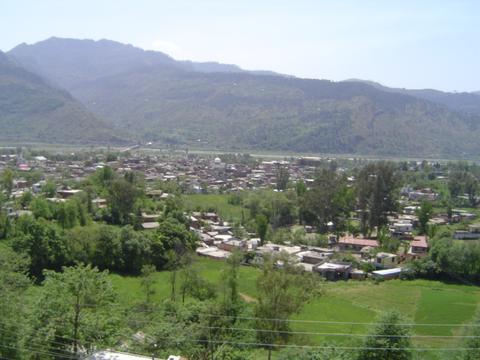
The Indian-administered Poonch district occupies part of the Pir Panjal Range and adjacent valleys. High ridges, narrow valleys and forested slopes shape settlement and transport. Administration is organised through district-level offices and several subdistrict units that manage local governance, development and basic services. Road connections, including traditional routes and modern district roads, link Poonch to the Jammu plains and to passes toward the Kashmir Valley.
History and division
Poonch has a long history as a frontier region within princely Jammu and Kashmir and earlier polities. Events around Partition (1947) and the subsequent war produced a ceasefire line that divided many districts in the western Himalaya, including Poonch. That division created different administrative systems and political circumstances on either side of the Line of Control. The area has experienced periodic military and civilian tensions as well as cross-border impacts on daily life.
People, language and culture
The district's population is diverse in language and custom. In Indian Poonch, communities commonly speak varieties such as Pahari, Gojri, Kashmiri and Urdu, and local customs reflect a mix of Himalayan and subcontinental influences. Traditional livelihoods include agriculture on terraced fields, pastoralism and small-scale trade; seasonal festivals, handicrafts and regional cuisine form part of the area's cultural identity.
Economy and connectivity
The economy is largely agrarian with an emphasis on subsistence farming, livestock and forest products. Commerce is concentrated in market towns where goods and services for surrounding villages are exchanged. Transportation improvements, including roads that connect Poonch with Jammu and with routes into the Kashmir Valley, have been important for trade, mobility and access to education and healthcare.
Key facts and significance
- Border division: The district is split between Indian and Pakistani administration, reflecting the broader contested status of parts of Kashmir.
- Administrative placement: The Indian portion is part of the union territory of Jammu and Kashmir; the Pakistani portion lies within Azad Kashmir under Pakistan's administration.
- Strategic location: Its frontier position gives Poonch military and geopolitical importance in India–Pakistan relations.
- Human geography: Mountainous terrain, mixed languages and traditional livelihoods characterise daily life.
Poonch remains a region where natural landscapes, contested borders and local cultures intersect. Its divided status shapes administration, development priorities and the experiences of communities on both sides of the Line of Control.
Related articles
Author
AlegsaOnline.com Poonch district, India Leandro Alegsa
URL: https://en.alegsaonline.com/art/78036