
Pontus (region): historical area on the southern Black Sea coast
Pontus is a historical region along the southern shore of the Black Sea in northeastern Anatolia. It has a long Greek-influenced past, diverse geography, distinctive culture, and layers of ancient and medieval history.
Overview
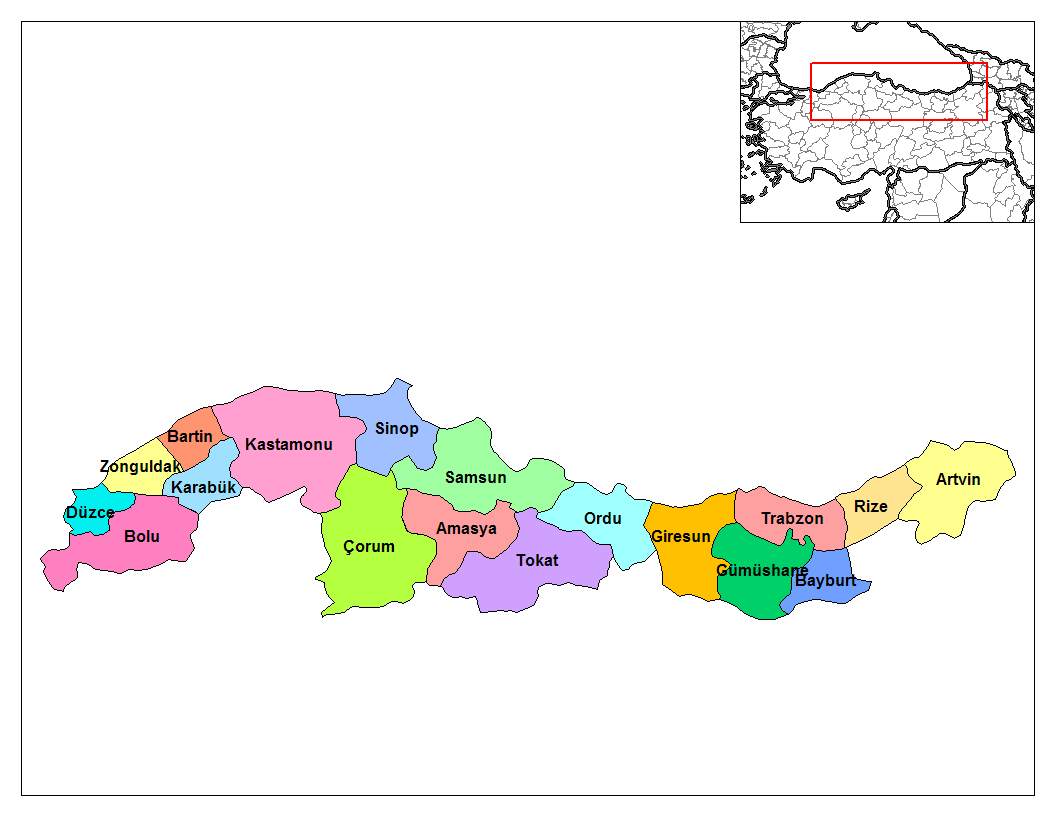
Pontus (Greek Πόντος) denotes a historic coastal region along the southern edge of the Black Sea. The area now lies within the modern nation of Turkey, extending from roughly the Bosporus eastward to the mountainous zones near the Caucasus. Pontus has been an important corridor between Europe and Asia, with a coastline that supported seafaring, trade and cultural exchange for millennia.
Image gallery
9 Images




Geography and economy
The region is marked by a narrow, humid coastal plain backed by the steep Pontic Mountains. Numerous rivers flow northward from the highlands to the sea, and fertile valleys and coastal terraces support intensive agriculture. In more recent centuries the coastal strip has been associated with tea and hazelnut cultivation, fishing, and maritime commerce, while the mountains preserved timber, grazing and isolated rural communities.
History and development
Pontus was shaped by Greek colonization along its shores, followed by periods under Persian, Hellenistic and Roman influence. A powerful native polity, the Kingdom of Pontus, rose in the Hellenistic era and later confronted Roman expansion. During the medieval period the Empire of Trebizond, a Byzantine successor state, controlled much of the coast before eventual incorporation into the Ottoman realm. Each phase left urban centers, fortifications and religious institutions that illustrate the region’s layered past.
Culture, language and legacy
The coastal population included Greeks, Armenians, Laz, Turks and other groups, producing a mixed cultural landscape. A distinct Pontic Greek dialect and musical traditions survived for centuries, and many communities maintained Orthodox Christian rites until geopolitical upheavals in the early 20th century. Today there is a Pontic diaspora as well as cultural revival efforts that preserve language, song and dance.
Notable places and periods
- Major historic ports and cities: Sinope (Sinop), Trebizond (Trabzon), Amasya, Samsun.
- Key historical phases: Greek colonization, Hellenistic kingdom, Roman/Byzantine rule, Empire of Trebizond, Ottoman incorporation.
Because of its geography and long contact with Mediterranean and Black Sea worlds, Pontus remains significant for studies of ancient trade, medieval politics, and the cultural interactions of Anatolia’s coastal peoples.
Related articles
Author
AlegsaOnline.com Pontus (region): historical area on the southern Black Sea coast Leandro Alegsa
URL: https://en.alegsaonline.com/art/78019