
Pomeranian (dog) — history, appearance, temperament, and care
A small Spitz-type companion breed from Pomerania, prized for its dense double coat, lively temperament and long history. Overview of appearance, behavior, grooming, health and notable historical links.
The Pomeranian is a small Spitz-type companion dog with roots in the Pomerania region. Early ancestors were larger Northern spitz dogs used for work; selective breeding produced the compact companion type now familiar around the world. The breed is often linked to the historic region of Pomerania and its surrounding lands, including areas now associated with Pomerania (region), Eastern Germany and Northern Poland.
Image gallery
10 Images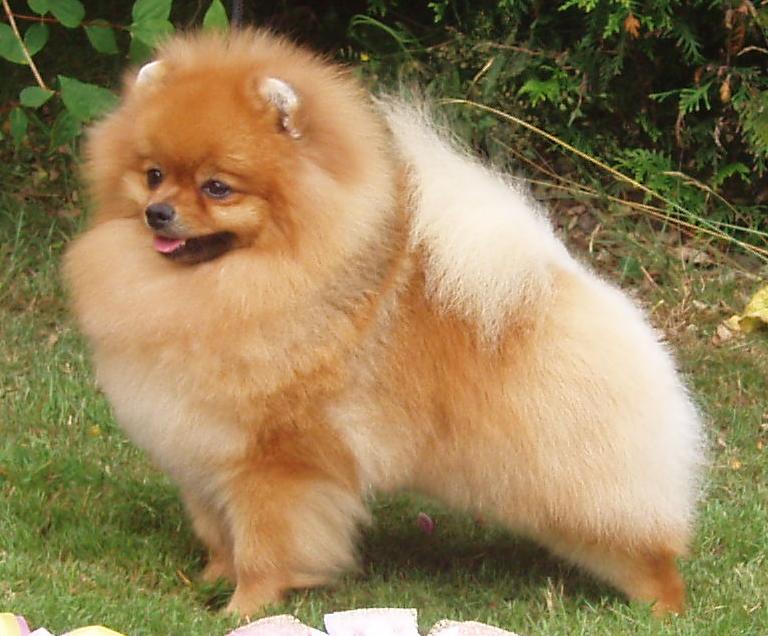



Appearance and variants
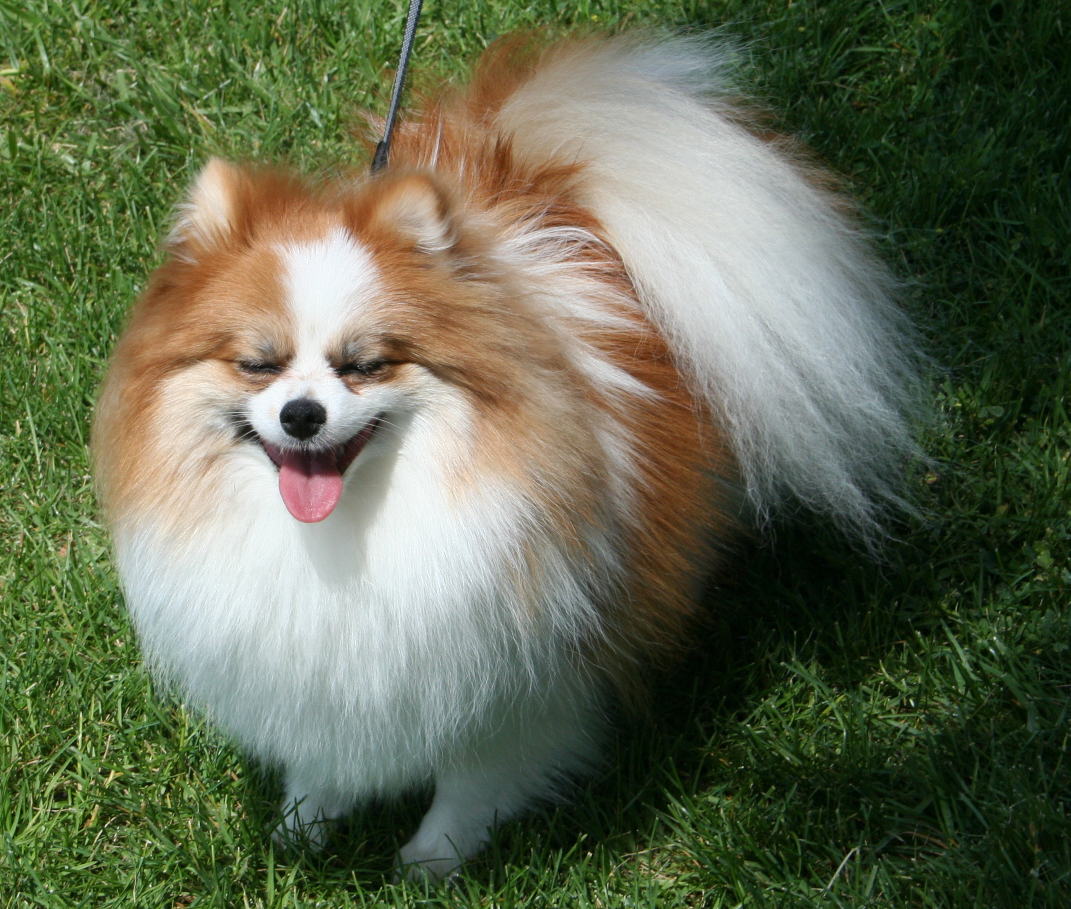
Pomeranians are characterized by a thick double coat, a ruff of fur around the neck, a plumed tail that arches over the back, and a fox-like face. They are a toy breed, typically weighing only a few kilograms and standing compactly. Coat colors and patterns are numerous and include orange, cream, black, sable and parti-colour varieties. In some countries the breed is also called the Zwergspitz or Toy German Spitz, reflecting its relationship to other Germanic spitz types.
History and cultural prominence
The modern small Pomeranian emerged from gradual downsizing of larger spitz dogs. Royal interest played a role in the breed's popularity: several European figures famously kept Pomeranians, and favored pets helped spread the breed’s reputation beyond its place of origin. Notable historical owners have included Queen Victoria, Joséphine de Beauharnais and earlier aristocratic patrons such as Queen Charlotte, who contributed to the breed’s fashionability in salons and dog shows.
Temperament and suitability
Pomeranians are alert, curious and intelligent. They make affectionate companions and can be trained in manners, tricks and basic obedience, though they may show a bold or territorial streak and are sometimes more vocal than larger breeds. Their small size makes them well suited to apartment life, but they do best with consistent socialization and gentle handling; they are fragile and may not be ideal around very young children without supervision.
Care, grooming and health
Grooming is an important part of owning a Pomeranian. Regular brushing prevents matting of the dense undercoat and reduces loose hair; occasional professional grooming may help maintain the coat’s shape. Common health concerns for the breed include dental disease, luxating patella (kneecap issues), tracheal collapse and certain heart conditions; like many toy breeds, Pomeranians may also show dental crowding and require attentive dental care. Typical lifespan is often around 12–16 years with good care.
Uses, distinctions and practical notes
Primarily kept as companion and show dogs, Pomeranians also appear in therapy work, agility and obedience events suitable for small dogs. They are distinct from larger spitz relatives such as the Keeshond or Samoyed by their size and long profuse coat. Prospective owners should consider grooming needs, potential health issues and temperament when choosing a Pomeranian and consult reputable breeders or rescue organizations for guidance. For further reading and breed standards, see resources linked here: overview, regional history, breed context, geography, royal history, notable owners, nomenclature.
Related articles
Author
AlegsaOnline.com Pomeranian (dog) — history, appearance, temperament, and care Leandro Alegsa
URL: https://en.alegsaonline.com/art/77900