
Queen Victoria (1819–1901)
Long-reigning British monarch whose rule (1837–1901) shaped the Victorian era, oversaw industrial and imperial expansion, and influenced 19th-century culture through family example, public ceremonies and patronage.
Queen Victoria (Alexandrina Victoria; 24 May 1819 – 22 January 1901) was monarch of the United Kingdom and its realms from 1837 until her death. Her long reign helped define a period of industrial growth, social reform and imperial expansion that historians commonly call the Victorian era. She acceded as a young woman and presided over a transformed constitutional monarchy in which executive power increasingly rested with elected ministers while the sovereign retained ceremonial influence and moral authority.
Image gallery
10 Images




Early life and accession
Born at Kensington Palace to the Duke of Kent and a German princess, Victoria grew up with bilingual household influences and a private education. She learned German and French, received lessons in music and art, and kept a lifelong habit of diary-keeping. After the death of several uncles she became heir presumptive and succeeded her uncle King William IV in 1837. The following year she was crowned queen of the United Kingdom of Great Britain and Ireland.
Marriage, family and personal life
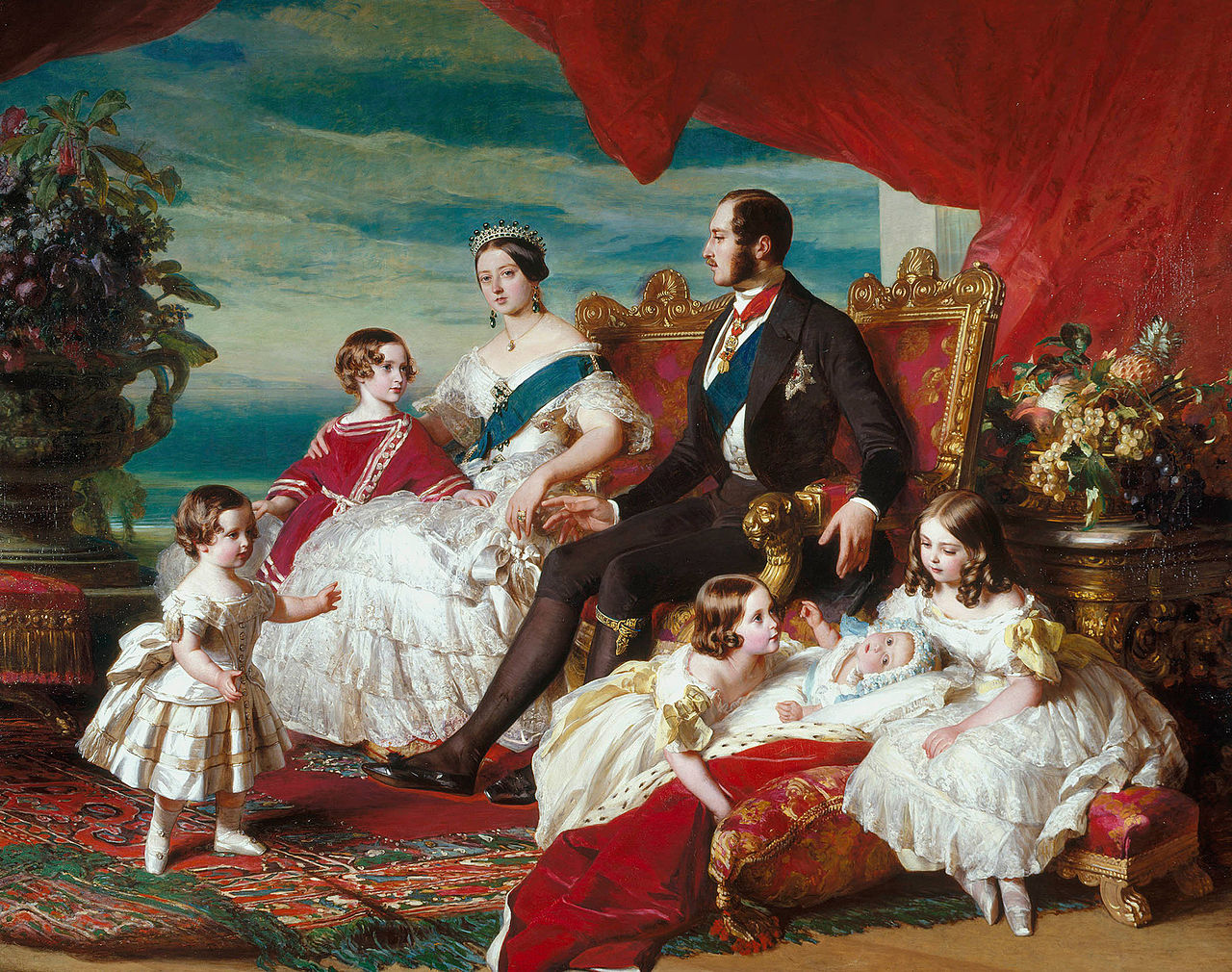
In 1840 she married her first cousin Prince Albert of Saxe-Coburg and Gotha. Their marriage was both affectionate and politically important: Albert promoted industry, education and the arts, and helped organise events such as the 1851 Great Exhibition at the Crystal Palace. The couple raised nine children and presented a public image of piety and domestic virtue; Christianity and family life were central to their household. Many of their children married into European royal families, which led contemporaries to call Victoria the "grandmother of Europe."
Reign: government, industry and empire
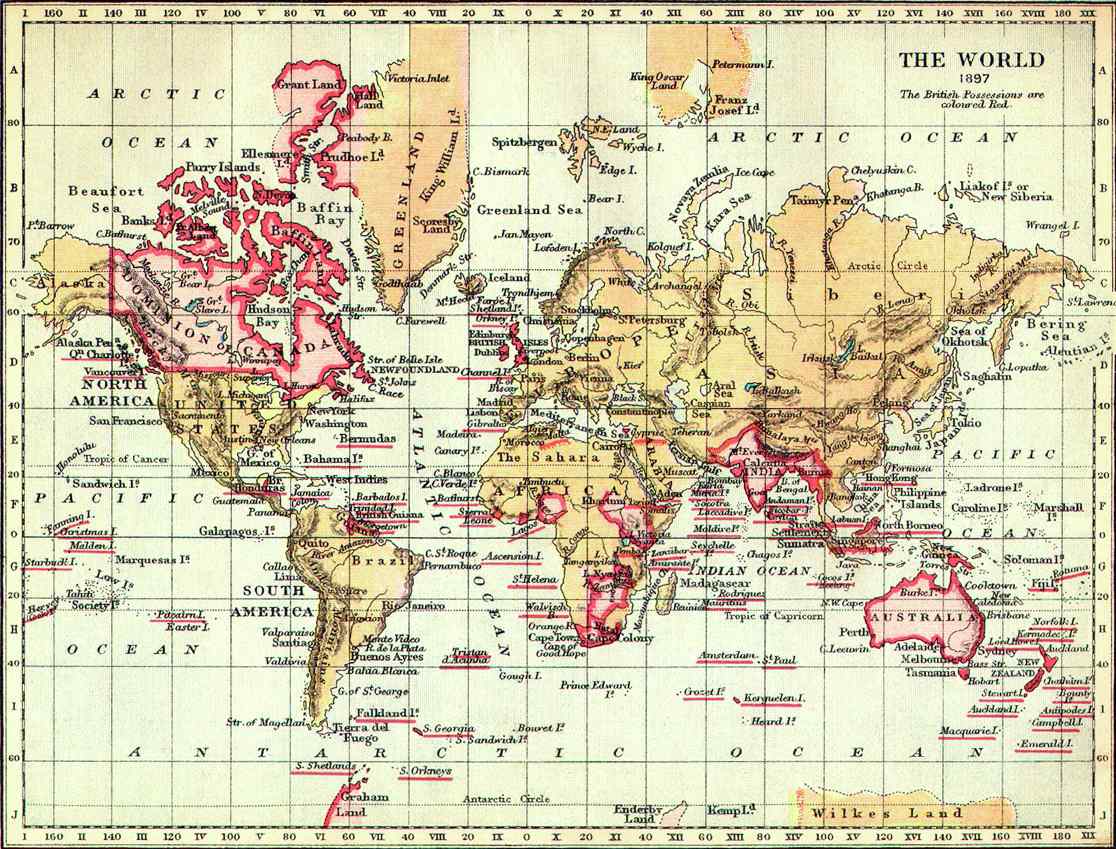
The nineteenth century under Victoria saw Britain mature as an industrial and global power. Political authority shifted toward Parliament and the office of prime minister, while the monarch's responsibilities became more symbolic and representative. During her reign Britain expanded its overseas possessions and modernised transport and communications; industrial innovation and urbanisation transformed daily life across Britain. In the later 1870s the crown took on an explicit imperial style that linked Victoria to the subcontinent and empire in broader ceremonial terms, including a formal association with India.
Later years, mourning and milestones
The death of Prince Albert in 1861 profoundly affected Victoria: she entered an extended period of mourning and reduced her public appearances for many years, though she continued to perform constitutional duties when required. Her reign reached notable anniversaries, including the Diamond Jubilee of 1897, which celebrated sixty years on the throne and underscored the longevity of her rule when compared with earlier monarchs such as King George III. She died in January 1901 and was succeeded by her eldest son, Edward VII.
Notable facts and legacy
Victoria's influence extended beyond formal politics: her tastes and family ideals shaped fashions, charitable patterns and public ceremony during the nineteenth century. She kept extensive journals and correspondence that provide historians with a detailed personal perspective on major events of the era. Monuments, place names and cultural references across the English-speaking world and former imperial territories continue to bear her name. Her reign left a mixed legacy of cultural conservatism combined with the economic and technological forces of modernity.
- Born: 24 May 1819; Died: 22 January 1901
- Reign: 1837–1901 (more than sixty years)
- Marriage: Prince Albert, 1840; issue: nine children
- Major events associated: Great Exhibition (1851), Diamond Jubilee (1897)
Questions and answers
Q: Who was Queen Victoria?
A: Queen Victoria (born Alexandrina Victoria) was the Queen of the United Kingdom of Great Britain and Ireland from 1837 to 1901. She was born to a German princess and an English prince.
Q: How old was she when she became queen?
A: Queen Victoria became queen of the United Kingdom Great Britain at the age of 18 after her uncle King William IV died.
Q: What did she learn as a child?
A: As a child, Queen Victoria was taught by her governess, Louise Lehzen, and Reverend George Davys. She learned to speak and read German and French well. She also had lessons from the famous opera singer Luigi LaBlache and enjoyed dancing, drawing, horse riding and singing. She could play the piano and liked to paint.
Q: Who did she marry?
A: In 1840, Queen Victoria married her first cousin Prince Albert. He supported science, trade and art in Britain. Together they had nine children who believed that a good family life and Christianity were very important for their upbringing.
Q: What event happened partly because of Albert's hard work?
A: The Great Exhibition at Crystal Palace opened in 1851 partly because of Albert's hard work which showed the success of British people in Victorian times.
Q: What title did she receive in 1877?
A: In 1877, Queen Victoria received the title 'Empress of India'. Although she was very interested in India, she never went there to visit the subcontinent; instead her son went there on her behalf instead.
Q: How long did she reign for? A:Queen Victoria reigned for 63 years - seven months longer than any other king or queen before her - until her death from a brain haemorrhage in 1901 when her son Edward VII became King of the United Kingdom and Emperor of India until his death 6 May 1910
Author
AlegsaOnline.com Queen Victoria (1819–1901) Leandro Alegsa
URL: https://en.alegsaonline.com/art/129072