
Political status of Taiwan
A neutral overview of the contested political status of Taiwan: historical roots, competing claims, international recognition, domestic identity, and current international implications.
Overview
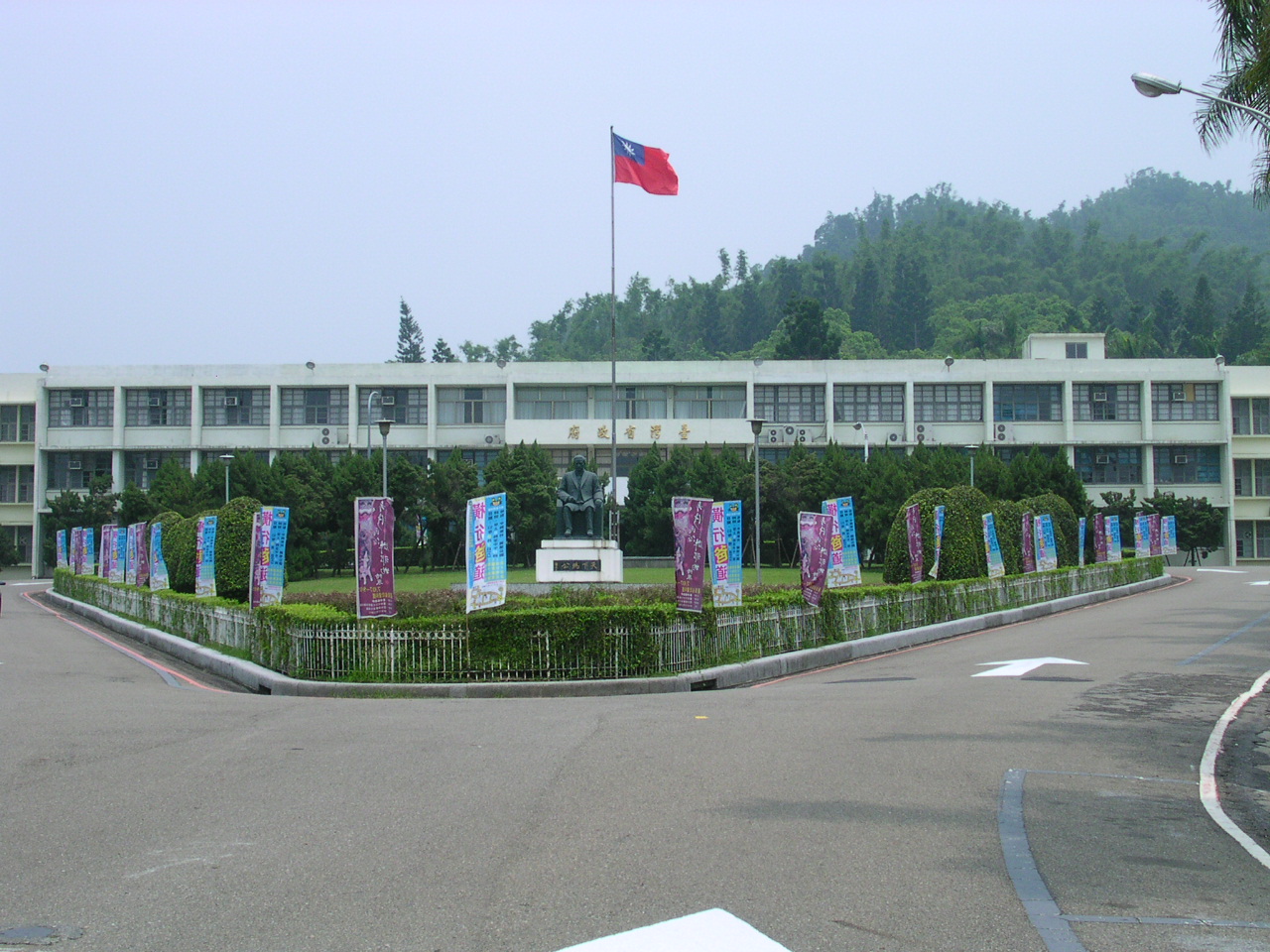
The political status of Taiwan is a complex and contested matter shaped by history, law and international diplomacy. Two separate governments have, at various times, claimed to be the legitimate government of China: two claimants that use the name "China" in different ways. One is the People's Republic of China (PRC), which administers the Chinese mainland today. The other is the Republic of China (ROC), which governs the island commonly called Taiwan. The disagreement centers on whether Taiwan is part of the PRC, a separate sovereign state, or an entity with a special status between those positions.
Image gallery
10 Images






Historical background
Formally modern claims have roots in earlier centuries of imperial rule and foreign occupation. After the 19th century conflicts between Qing China and imperial powers, Taiwan was ceded to Japan following the First Sino-Japanese War, and islands such as Penghu were included in that arrangement. Japanese rule lasted until the end of World War II, when authority over Taiwan was transferred to the then-government of the Republic of China. In 1949, following the Chinese civil war, the ROC government relocated to the island of Taiwan and governed there while the PRC established control over the mainland. Both sides maintained claims to represent China.
Legal and diplomatic status
Over the second half of the 20th century, international recognition shifted. The ROC held China's seat at the United Nations until 1971, when that seat was transferred to the PRC. Since then, most states have recognized the PRC as the government of China; in diplomatic practice many governments acknowledge the PRC's position without formally resolving the territorial or legal questions. The PRC asserts a "One China" principle and regards Taiwan as, in its terms, Taiwan province that belongs to the PRC. A limited and fluctuating number of UN member states maintain formal diplomatic relations with the ROC, while many others sustain informal or unofficial ties.
Domestic politics and identity
Within Taiwan, political views differ. Some parties and constituencies favor maintaining the status quo of de facto self-government without a formal declaration of independence. Others advocate for an explicit independent republic distinct from the PRC, while a minority endorses eventual reunification under negotiated terms. The ROC’s constitutional documents and legal framework reflect historical claims that once covered the whole of China and adjacent territories such as Mongolia, but contemporary governance focuses on the island and nearby archipelagos. Public opinion, electoral politics and social identity on the island have evolved, with distinct Taiwanese civic identity becoming more prominent over recent decades.
International implications and notable facts
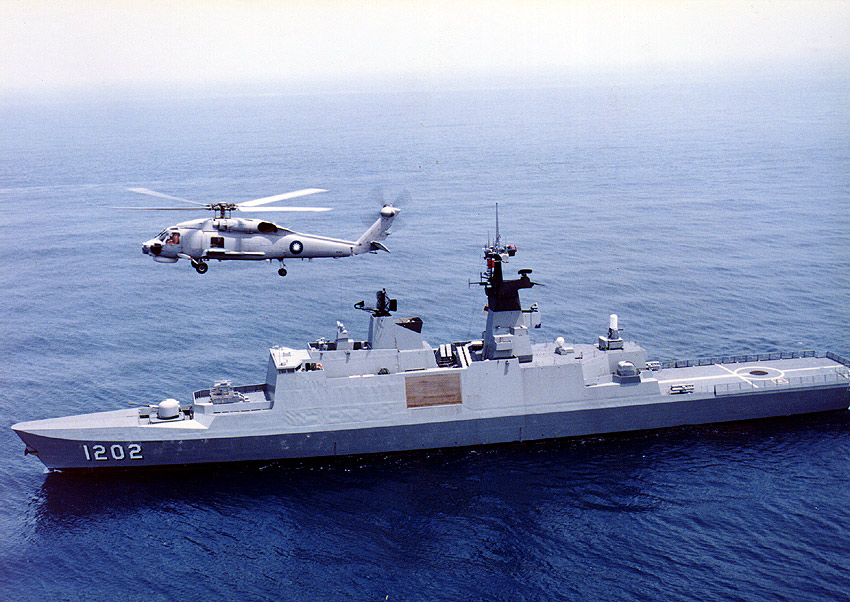
Relations across the Taiwan Strait are a central security concern in East Asia. The PRC states it prefers peaceful reunification but has not renounced the use of force to prevent formal independence. Major powers, including the United States, balance diplomatic recognition of the PRC with policies that support Taiwan's security and unofficial relations; such approaches emphasize ambiguity and deterrence. Practically, Taiwan operates with its own government, military, currency, and passport, and is a significant participant in global trade and technology supply chains. Its political status remains one of the most sensitive and consequential unresolved issues in contemporary international affairs, with legal, political and strategic dimensions that continue to evolve internationally.
- Key actors: PRC government (PRC), ROC government (ROC), and external powers.
- Turning points: transfer after World War II, ROC retreat to Taiwan in 1949, and the 1971 UN seat change.
- Contemporary issues: recognition, self-determination, security, and economic interdependence.
For further reading, consult official statements and neutral historical summaries from multiple sources to understand how legal claims, domestic politics and international diplomacy interact on this topic.
Related articles
Author
AlegsaOnline.com Political status of Taiwan Leandro Alegsa
URL: https://en.alegsaonline.com/art/77773