
Bismuth: properties, history, uses, and notable facts
Bismuth (Bi, atomic number 83) is a heavy, brittle post‑transition metal in group 15. It is naturally monoisotopic and only minutely radioactive; used in medicine, alloys, thermoelectrics, and as a lead substitute.
Overview
Bismuth is the chemical element with atomic number 83 and the symbol Bi. It sits in group 15 of the periodic table and is classified as a post‑transition metal or pnictogen. Its standard atomic mass is close to 209. For a concise element profile see element summary and for its place on the table consult the periodic entry.
Image gallery
10 Images





Physical and chemical characteristics
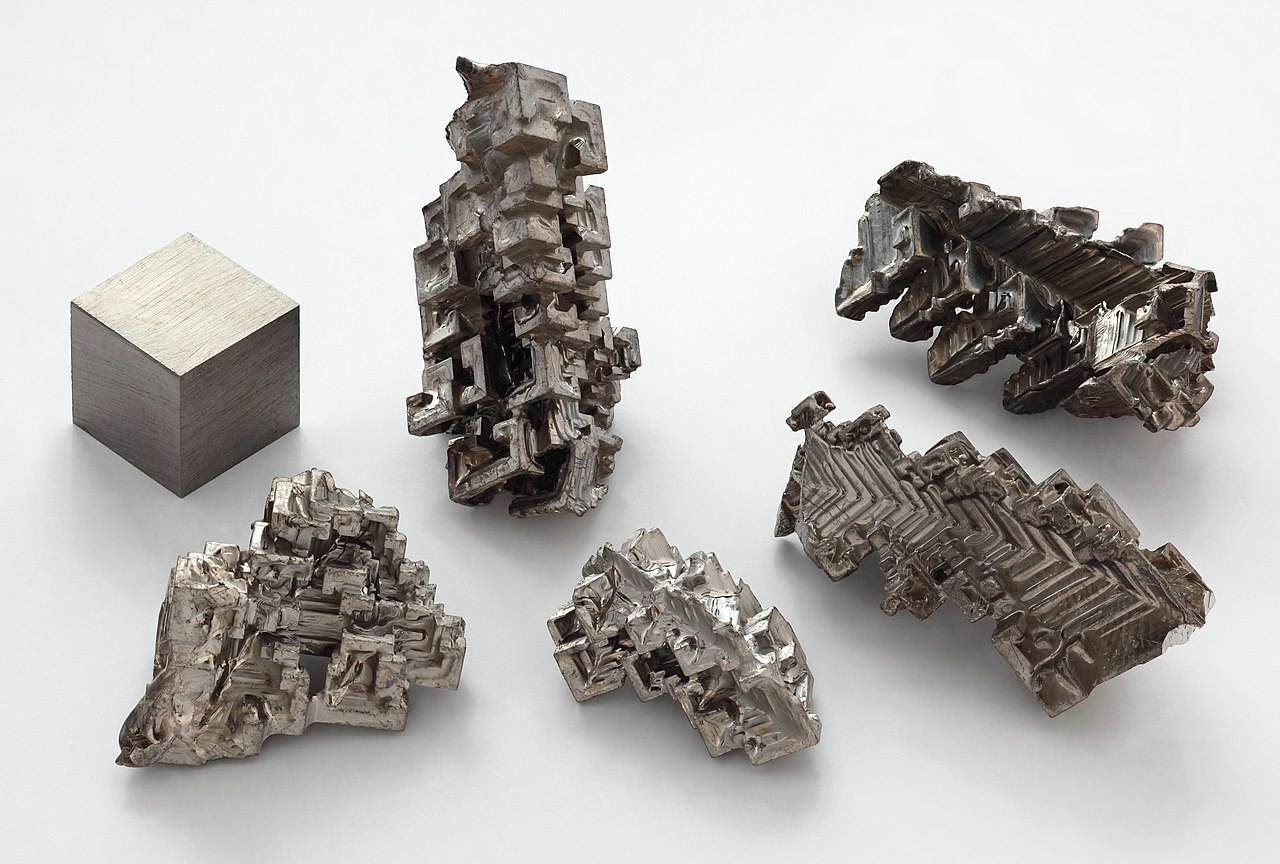
Bismuth is a dense, silvery metal that often shows a pinkish tint caused by surface oxidation. It crystallizes in a rhombohedral lattice and tends to be brittle rather than malleable. Bismuth has low thermal conductivity compared with many other metals and is weakly diamagnetic. It forms a variety of compounds, including notable alloys and semiconducting tellurides used in thermoelectric materials.
History and natural occurrence
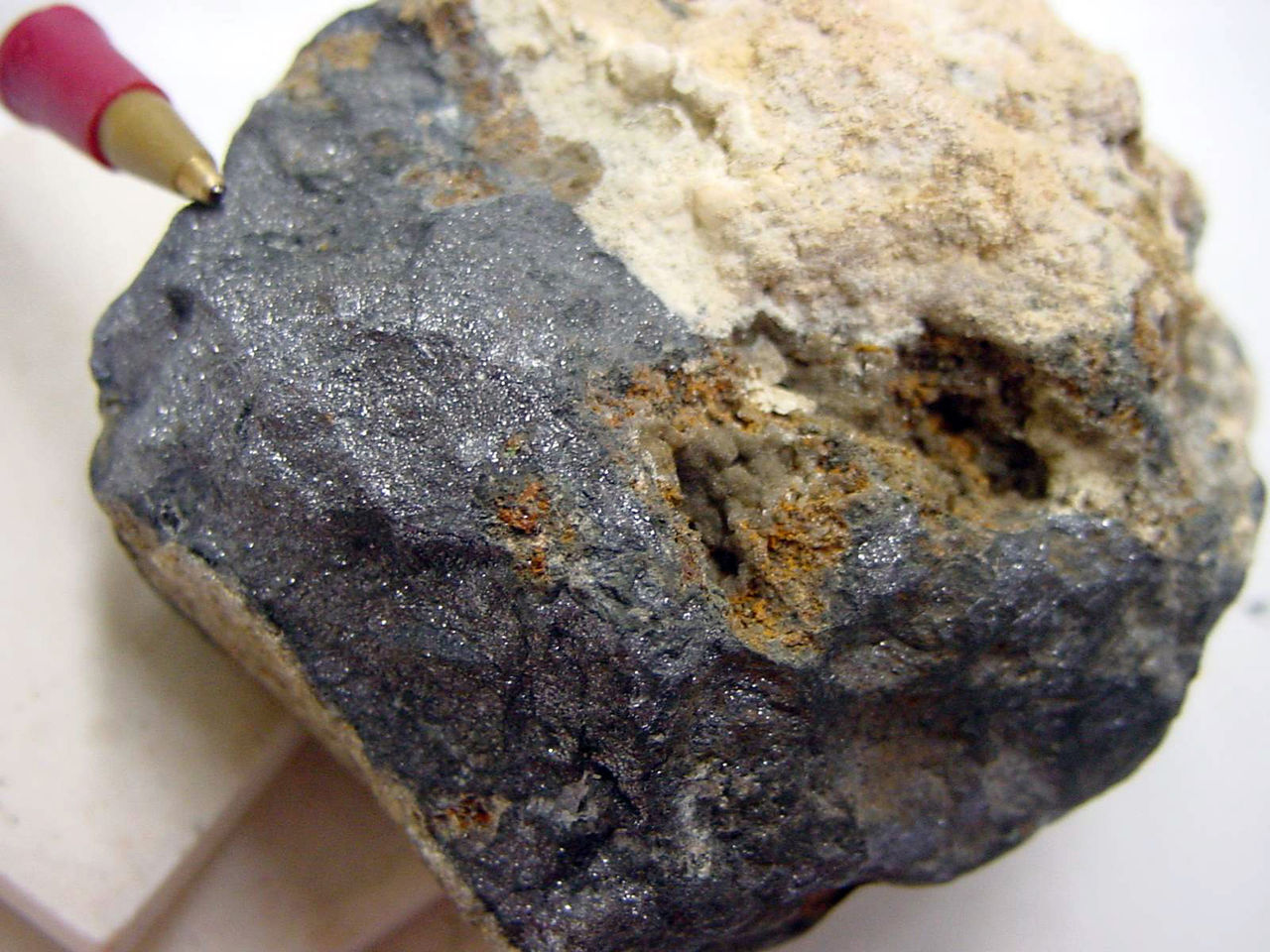
Known to metallurgists and alchemists for centuries, bismuth was recognized as a distinct element as modern chemistry developed in the 18th century. It occurs in nature primarily as a byproduct of mining for lead, copper and tungsten and can be found in native form or in ores. Commercial bismuth typically comes from refining operations where it is separated from other heavy metals.
Uses and applications
- Pharmaceuticals and cosmetics: certain bismuth compounds are active ingredients in digestive medicines and in some topical products.
- Alloys and solders: bismuth enters low‑melting and fusible alloys valued for predictable melting behavior and for lead‑replacement uses in plumbing and fishing weights.
- Thermoelectrics and semiconductors: compounds such as bismuth telluride are important for cooling and power‑generation devices.
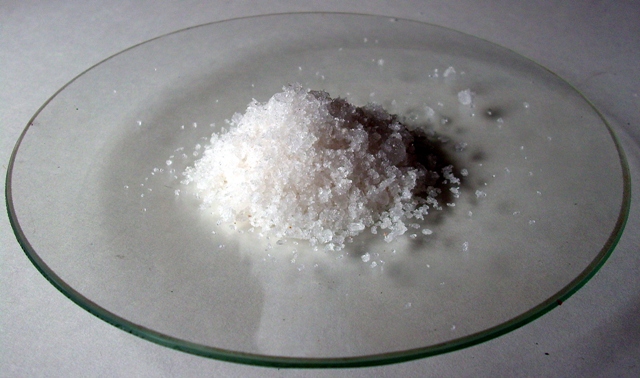
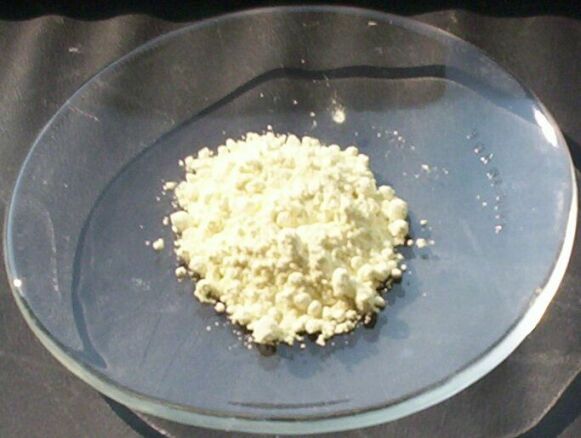
- Pigments and metallurgy: bismuth oxide and oxychloride appear in pigments and specialty ceramic uses.
Isotopes and radioactivity
Natural bismuth occurs essentially as a single nuclide, bismuth‑209, long regarded as stable. Sensitive measurements established that it undergoes an extremely slow radioactive decay, but its activity is so low that bismuth is treated as effectively nonradioactive in everyday use. For atomic mass and isotope details consult atomic data and isotope information.
Notable facts and distinctions
Bismuth is often favored where toxicity is a concern because it is considerably less toxic than lead and several other heavy metals, making it a safer alternative in many consumer and industrial applications. It readily forms colorful, hopper‑style crystals that are popular among collectors. Its combination of high atomic weight, low toxicity and useful metallurgical properties gives bismuth a unique niche among the chemical elements.
Questions and answers
Q: What is the symbol for Bismuth?
A: The symbol for Bismuth is Bi.
Q: What is the atomic mass of Bismuth?
A: The atomic mass of Bismuth is 209.
Q: Is Bismuth radioactive?
A: Bismuth is only slightly radioactive, but its radioactivity is minimal and it is typically seen as nonradioactive.
Q: How was the radioactivity of Bismuth predicted by scientists?
A: Scientists predicted the radioactivity of Bismuth by analyzing the metal.
Q: Is there more than one isotope of naturally occurring bismuth?
A: Yes, there is only one isotope of naturally occurring bismuth which is almost nonradioactive.
Q: What group on the periodic table does bismuth belong to?
A: Bismuth belongs to Group 15 on the periodic table.
Q: Where can you find bismuth on the periodic table?
A: You can find bismuth at element 83 on the periodic table.
Related articles
Author
AlegsaOnline.com Bismuth: properties, history, uses, and notable facts Leandro Alegsa
URL: https://en.alegsaonline.com/art/11802