
Play (behavioral activity)
Play is voluntary, pleasure-driven behavior seen in humans and animals that supports development, learning, social bonding and creativity across ages and cultures.
Play is a broad category of voluntary, often enjoyable activity observed in humans and many animals. It ranges from spontaneous free play to organized, rule-governed games. Scholars in different disciplines treat play as an important phenomenon: for example, studies in psychology and ethology examine how play shapes learning, social skills and cognition. The element of choice and enjoyment is central — play is typically initiated and sustained by the participant rather than imposed from outside, which links it to the idea of voluntary behavior.
Image gallery
10 Images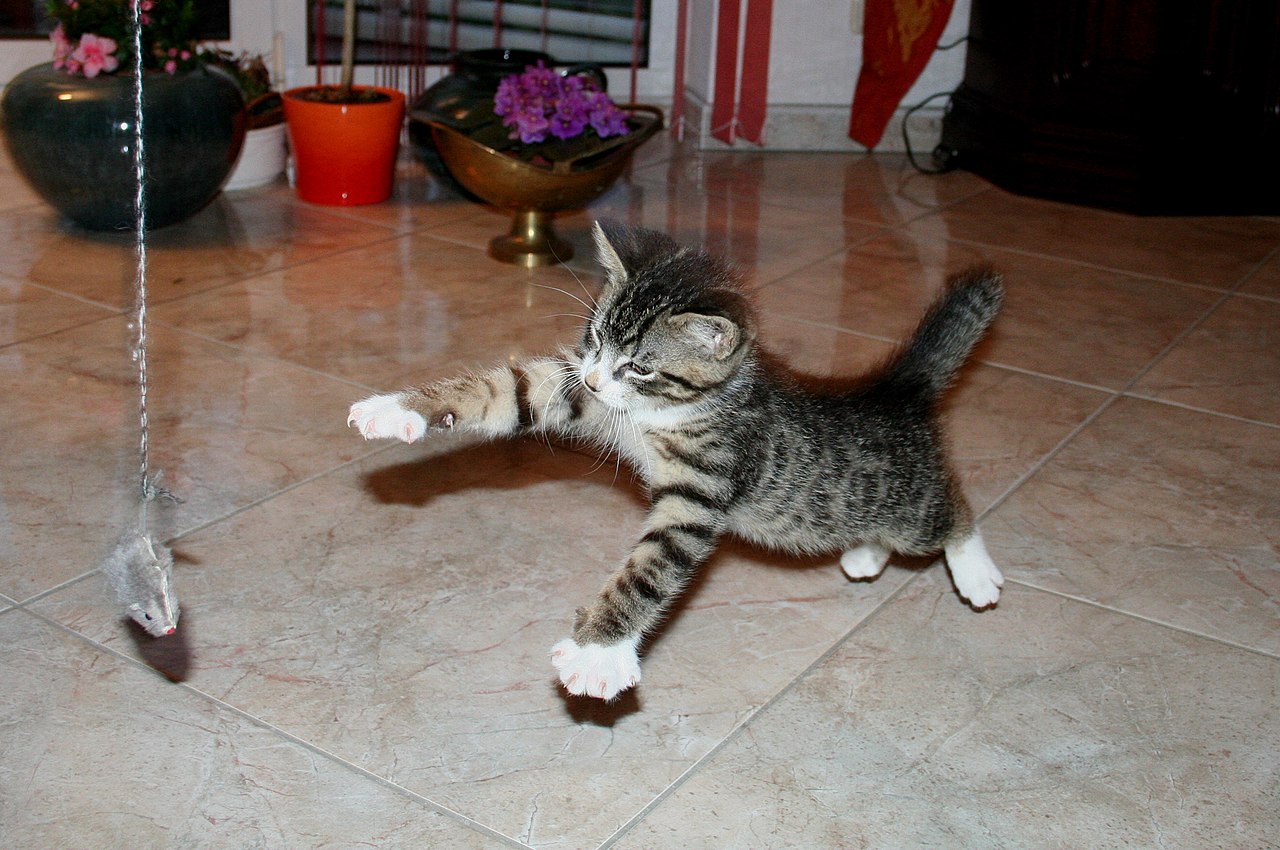
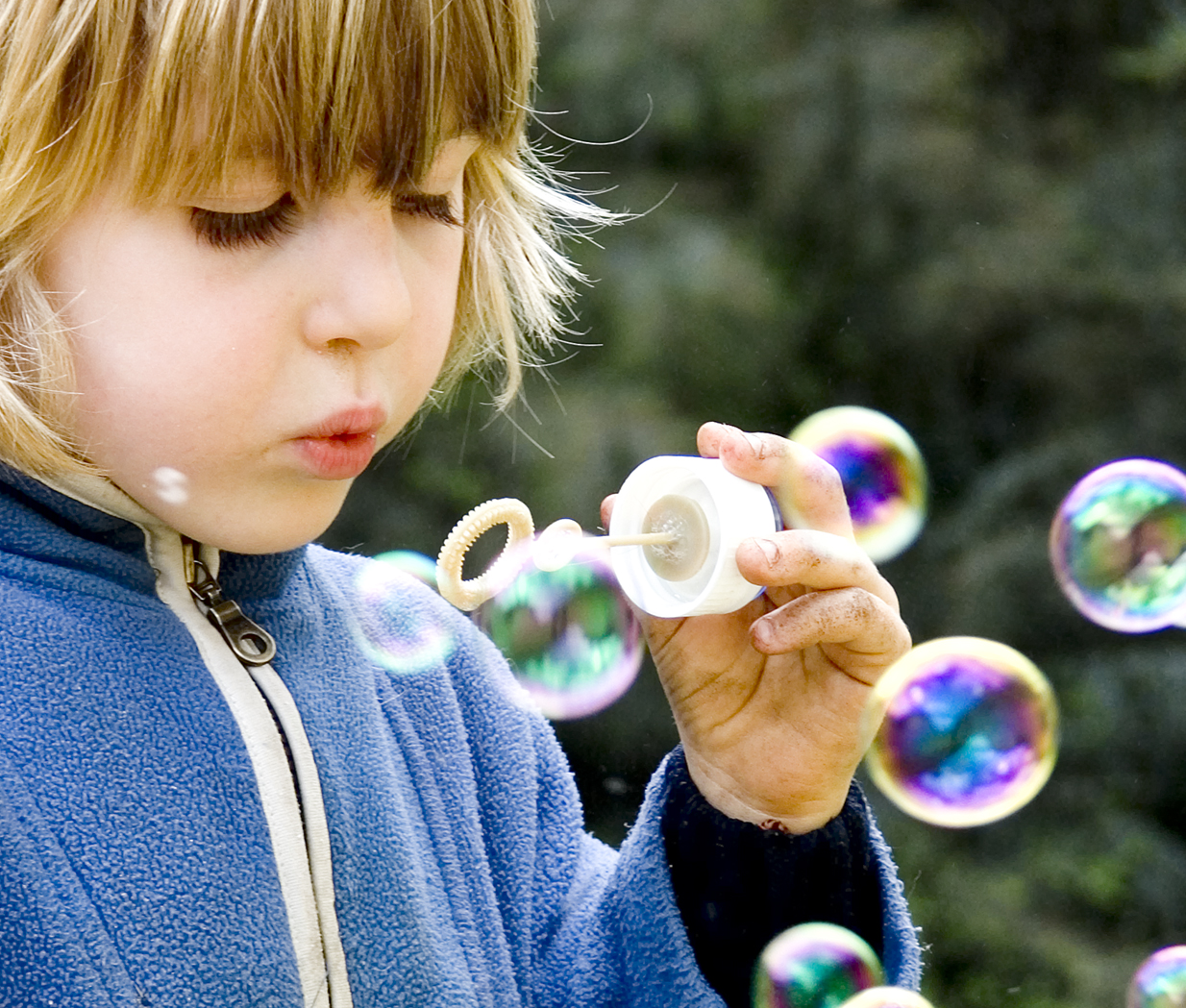


Core characteristics
Despite its familiarity, play resists a single neat definition. Common features researchers use to identify play include repetition, exaggeration, flexible rules, intrinsic motivation, and a lack of immediate survival function. Play may look frivolous, but participants can display intense focus and persistence when immersed in activity. In some contexts this deep concentration is described as being "in the zone", and it can occur during both playful exploration and formal games.
History of study and theoretical perspectives
The study of play attracted attention from many influential thinkers. Early and twentieth-century psychologists and theorists—such as William James, Sigmund Freud, Carl Jung, Jean Piaget and Lev Vygotsky—offered differing accounts of its origins and functions. Some framed play as a release of excess energy, others as practice for adult roles, and still others as a zone for symbolic development and scaffolding of learning. Contemporary work draws on neuroscience, developmental psychology and animal behavior to show how play influences brain development, social cognition and emotional regulation.
Functions, benefits and importance
Play contributes to multiple developmental domains. In childhood it supports motor coordination, language, problem-solving and social negotiation. Among adults, playful activities can promote creativity, stress relief and relationship building. In animals, playful interactions often rehearse motor skills and social signals with lower risk than real conflict. Play can therefore be both adaptive and culturally shaped: what counts as play varies by age, setting and tradition.
Forms and examples
- Unstructured free play: imaginative games, rough-and-tumble, make-believe scenarios.
- Constructive play: building with objects such as blocks, crafts or model-making.
- Social play: role-play, teasing, cooperative problem-solving and play fighting.
- Rule-based play and competition: sports, board games and other structured games.
- Solitary play: puzzles, solo creative work, and exploratory play with objects.
Distinctions and notable facts
Not all enjoyable activities are play in the technical sense; researchers distinguish play from work, ritual training and compulsive behaviors. Play often blends with learning but is not always primarily instrumental. Cross-species comparisons reveal that sophisticated play is most common among mammals and birds with extended juvenile periods. For summaries and further reading on psychological approaches to play see resources in psychology and comparative behavior in ethology. Historical and developmental perspectives are discussed in classic works by James, Freud, Jung, Piaget and Vygotsky. For practical guidance on encouraging healthy play and understanding focused flow states, see materials linked to voluntary engagement studies here and on flow experiences here.
Play remains a lively interdisciplinary subject because it intersects biology, culture, education and health. Whether as spontaneous childhood exploration or as structured adult leisure, play supports learning, resilience and social connection across the lifespan.
psychology | ethology | voluntary behavior | William James | Sigmund Freud | Carl Jung | Jean Piaget | Lev Vygotsky | in the zone | game
Questions and answers
Q: What is play?
A: Play is a voluntary recreational activity associated with pleasure and enjoyment, and with early learning in mammals.
Q: Is play only for children?
A: No, play can also be a useful activity for adults, and occurs among other higher-functioning animals as well.
Q: Is it easy to define the term 'play'?
A: No, it is extremely difficult to define.
Q: Who are some of the most prominent researchers in the field of psychology who viewed play as endemic to the human species?
A: William James, Sigmund Freud, Carl Jung, Jean Piaget and Lev Vygotsky.
Q: Can play be serious?
A: Yes, play may be frivolous or serious, and a player can be intently focused on his or her objective, particularly when play is structured and goal-oriented, as in a game.
Q: What is the range of play?
A: Play can range from relaxed, free-spirited and spontaneous through frivolous to planned or even compulsive.
Q: What is play associated with?
A: Play is associated with recreational pleasure and enjoyment, and with early learning in mammals.
Related articles
Author
AlegsaOnline.com Play (behavioral activity) Leandro Alegsa
URL: https://en.alegsaonline.com/art/77383
Sources
- nifplay.org : "Play Science – the patterns of play"