
Polyp (medicine): types, detection, treatment and clinical importance
A polyp is an abnormal tissue growth projecting from a mucous membrane. This article explains locations, types (pedunculated vs sessile), diagnostic methods, treatment options and cancer risk considerations.
A polyp in medicine is an abnormal growth of tissue that arises from a mucous membrane and projects into a body cavity or lumen. Polyps occur in many organs, most commonly the colon, stomach, nasal cavity, uterus and bladder. They vary in size from microscopic to many centimeters and may be harmless or have the potential to progress to cancer, depending on type and location.
Image gallery
10 Images




Characteristics and terminology
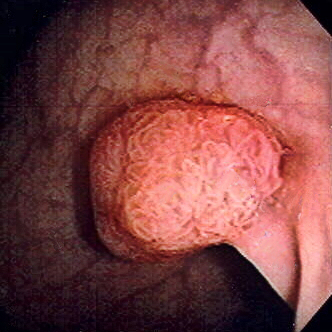
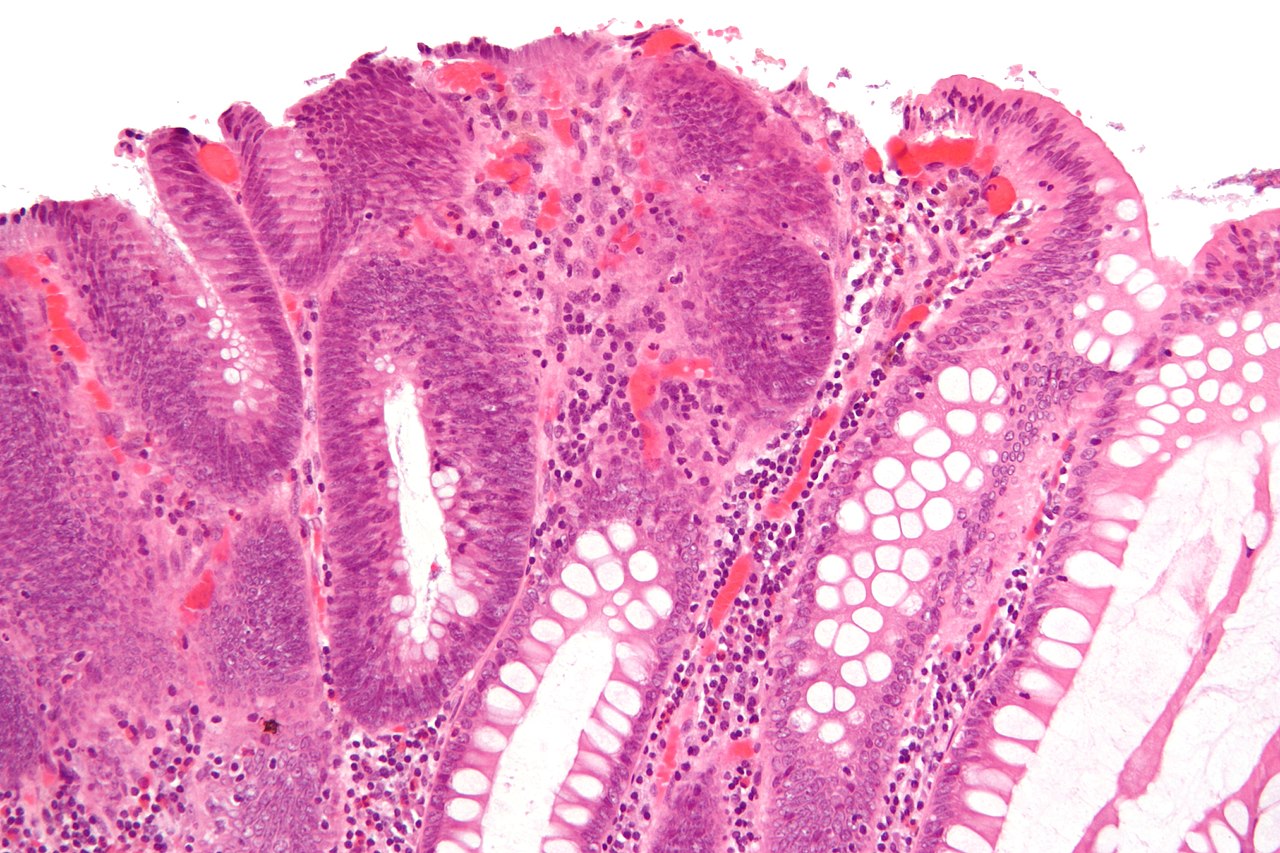
Polyps are described by their shape and microscopic features. A growth attached by a narrow stalk is called pedunculated, while one with a broad base is termed sessile. Histologic categories include inflammatory, hyperplastic, adenomatous (glandular), hamartomatous and serrated polyps. Adenomatous and certain serrated lesions are of greatest concern because they can be precancerous, especially in the colon.
Common locations and symptoms
- Colon and rectum: may cause bleeding, change in bowel habits, or be asymptomatic and found on screening.
- Nasal and sinus polyps: can cause nasal obstruction, reduced sense of smell and recurrent sinusitis.
- Uterine (endometrial) polyps: may cause abnormal uterine bleeding.
- Other sites: stomach, bladder, vocal cords and ear canals.
Diagnosis
Identification depends on location: colonoscopy or sigmoidoscopy for colorectal polyps, endoscopy for gastric lesions, nasal endoscopy for sinonasal polyps and ultrasound or hysteroscopy for uterine polyps. Diagnosis usually requires visual inspection and biopsy to determine histology and malignancy risk.
Treatment and follow-up
Small symptomatic or suspicious polyps are often removed at the time of endoscopy (polypectomy). Larger or invasive lesions may need surgical excision. Management decisions consider polyp type, size and number; some patients require regular surveillance with repeat endoscopy to monitor for recurrence or new lesions.
Prevention and notable points
Screening programs, particularly for colorectal polyps, reduce cancer risk by detecting and removing precancerous lesions. Lifestyle measures such as a healthy diet, regular exercise and avoiding tobacco may lower risk. Not all polyps become malignant, but appropriate evaluation and follow-up are important to identify those that do.
Related articles
Author
AlegsaOnline.com Polyp (medicine): types, detection, treatment and clinical importance Leandro Alegsa
URL: https://en.alegsaonline.com/art/77873