
Bone fracture
A bone fracture is a partial or complete break in a bone caused by trauma, overuse, or disease; diagnosis, types, healing stages, treatments, complications, and prevention are covered.
Overview
A bone fracture occurs when the continuity of bone tissue is disrupted by sudden force, repetitive stress or underlying disease. Fractures range from tiny cracks to complete breaks that separate bone into pieces. They may affect any bone in the body and vary widely in severity and clinical implications. For general context about bone structure and support, see related anatomy resources.
Image gallery
10 Images





Types and characteristics
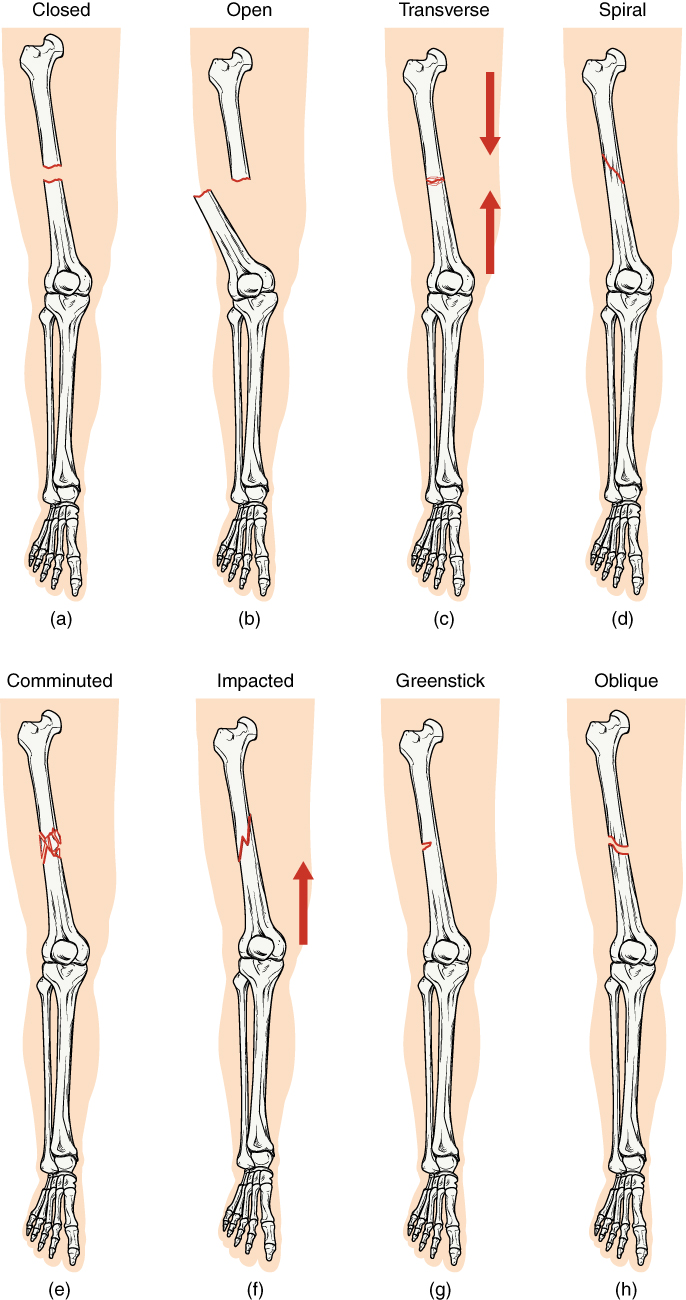
Fractures are described by pattern, location and whether the skin is intact. Common patterns include transverse, oblique and spiral breaks; comminuted fractures where the bone shatters; compression fractures in cancellous bone; and incomplete fractures such as greenstick or hairline cracks. Stress fractures develop from repetitive loading rather than a single event. Medical classification helps guide management—see a brief classification overview for typical categories.
Signs and diagnosis
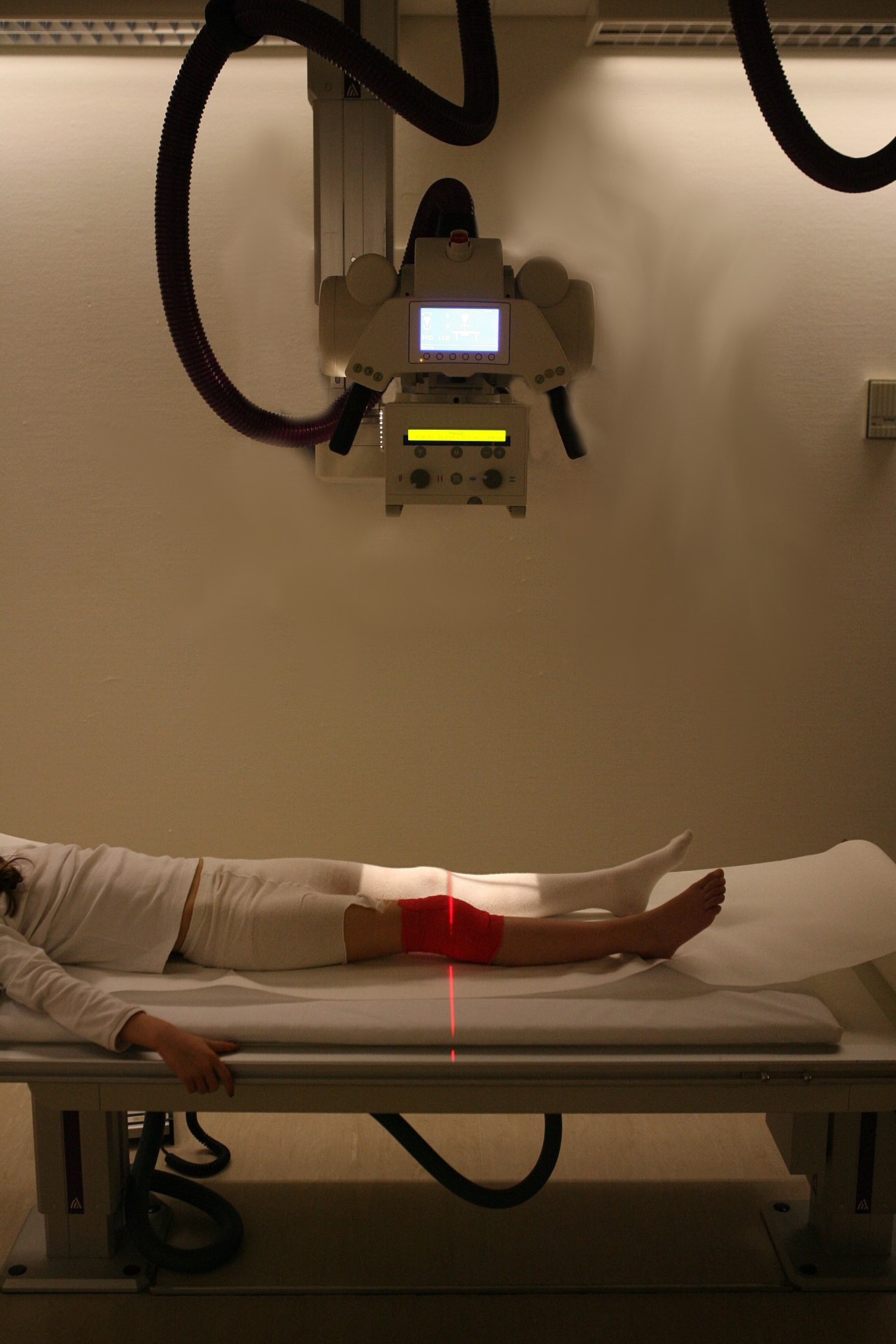
Typical signs are pain at the site, swelling, bruising, deformity or loss of normal function. Some fractures produce crepitus (a grating sensation) or open wounds when bone protrudes through the skin. Diagnosis begins with clinical examination and commonly includes radiography. When X‑rays are inconclusive or detailed images are needed, CT, MRI or bone scans can be used to evaluate complex or occult injuries.
Healing and recovery
Bone repair follows overlapping biological stages: an initial inflammatory phase, formation of soft callus, mineralization into hard callus and long‑term remodeling to restore shape and strength. Healing time depends on the bone involved, patient age, blood supply and stability of the fracture. Rehabilitation and gradual loading are important to regain function and prevent stiffness or muscle wasting.
Treatment options
- Conservative care: immobilization with splints or casts, pain control and activity modification for stable fractures.
- Closed reduction: manual realignment without surgery followed by immobilization.
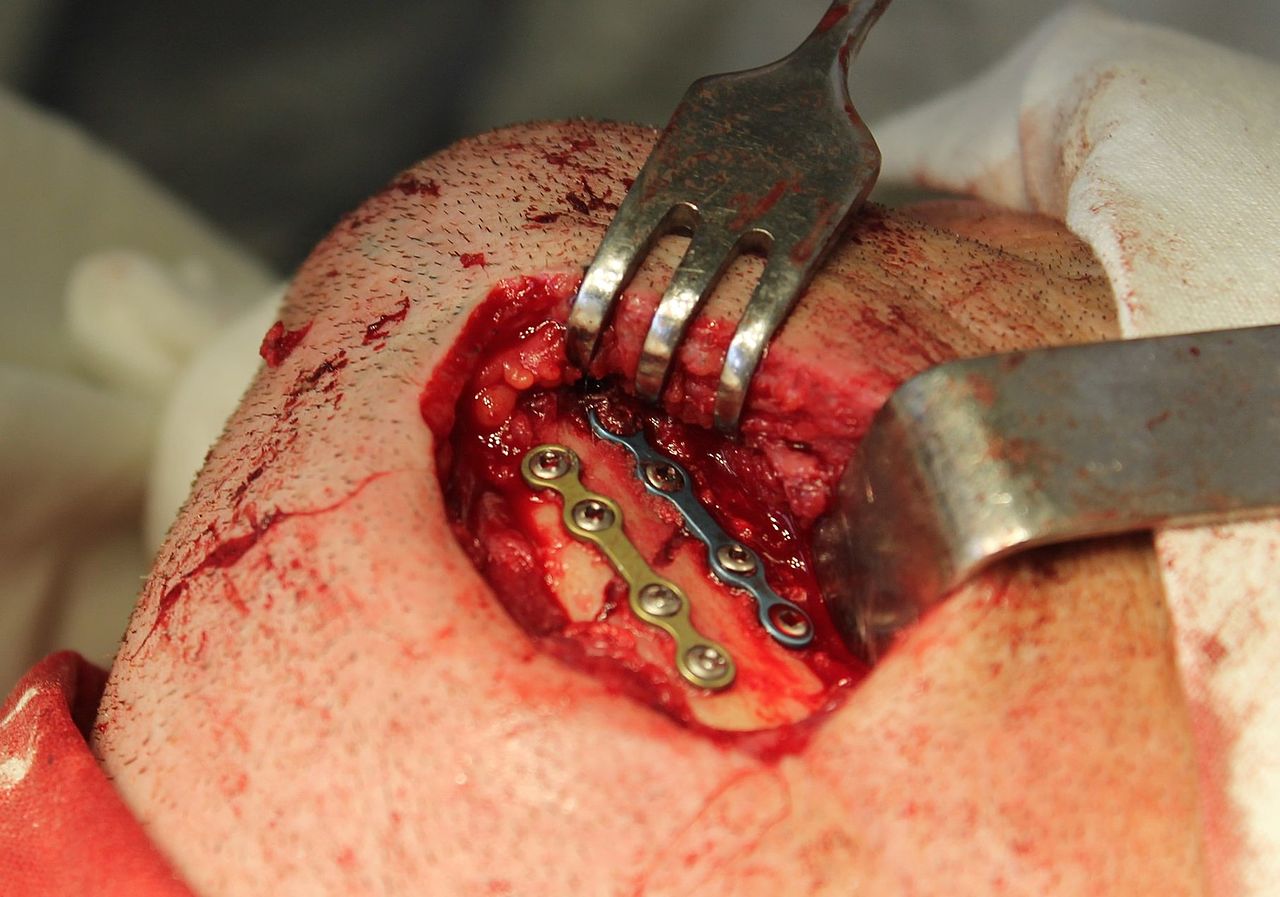
- Operative fixation: internal devices such as plates, screws or intramedullary rods, or external fixation when stability is required.
- Adjuncts: traction, bone stimulators and targeted physiotherapy to support recovery.
Complications and prevention
Complications may include delayed union or nonunion, malunion, infection (particularly with open fractures), neurovascular injury and compartment syndrome. Prevention combines injury risk reduction—protective equipment, safe workplaces and fall prevention—with bone health measures such as addressing osteoporosis, nutrition and regular weight‑bearing activity. Prompt assessment and appropriate management reduce long‑term disability and improve outcomes.
Questions and answers
Q: What is a bone fracture?
A: A bone fracture is when a bone is damaged due to stress.
Q: How can a bone be fractured?
A: A bone can be fractured in numerous ways.
Q: When do bones usually not break when hit by strong impacts or forces?
A: Most human bones are strong and do not break when hit by strong impacts or forces.
Q: Can a bone still fracture from a powerful force even if it is strong?
A: Yes, if the force is too powerful or there is something wrong with the bone, it can fracture.
Q: What can cause bone fractures?
A: Bone fractures can be caused by stress, accidents, or medical conditions.
Q: How can bone fractures be treated?
A: Treatment for bone fractures can include rest, immobilization, surgery, and rehabilitation.
Q: Can bone fractures heal on their own?
A: In some cases, bone fractures can heal on their own with proper rest and care, but in others, medical attention is necessary.
Related articles
Author
AlegsaOnline.com Bone fracture Leandro Alegsa
URL: https://en.alegsaonline.com/art/12871
Sources
- healthlibrary.brighamandwomens.org : "Types of Fractures"
- orthoinfo.aaos.org : "Fractures (Broken Bones)"
- fracturesandbonehealing.blogspot.com : "Fractures and bone healing"
- betterhealth.vic.gov.au : "Bone Fractures"
- josr-online.biomedcentral.com : "Bone regenerative medicine: Classic options, novel strategies, and future directions"