
Plasmodium: genus of malaria-causing parasitic protozoa
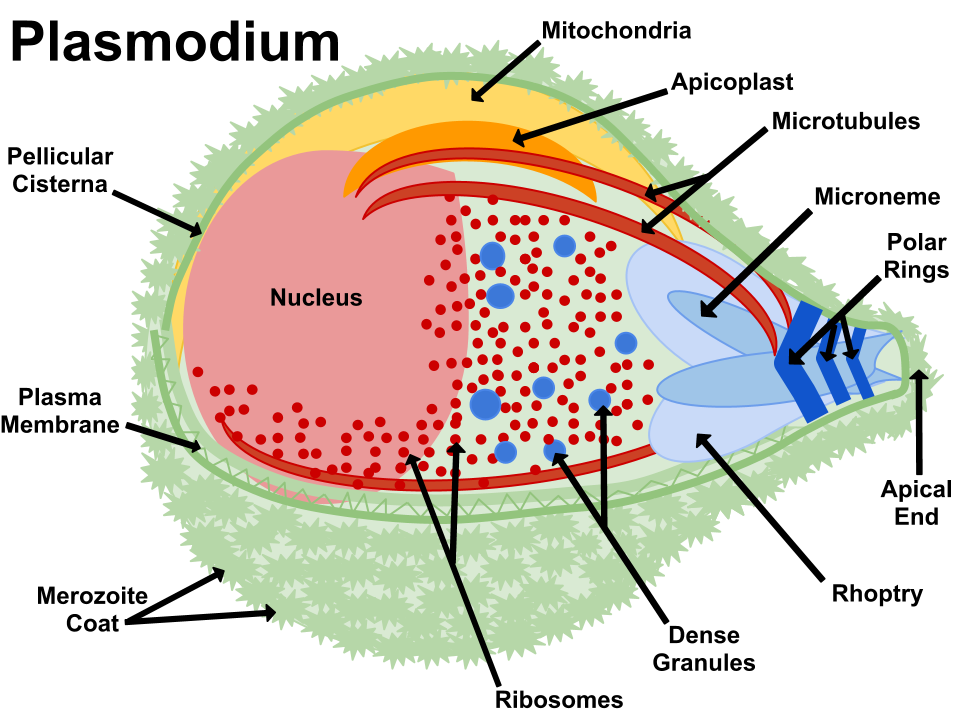
Plasmodium is a genus of about 200 parasitic protozoa that cause malaria in vertebrates, including humans. Explore its mosquito-transmitted life cycle, major human species, and global distribution.
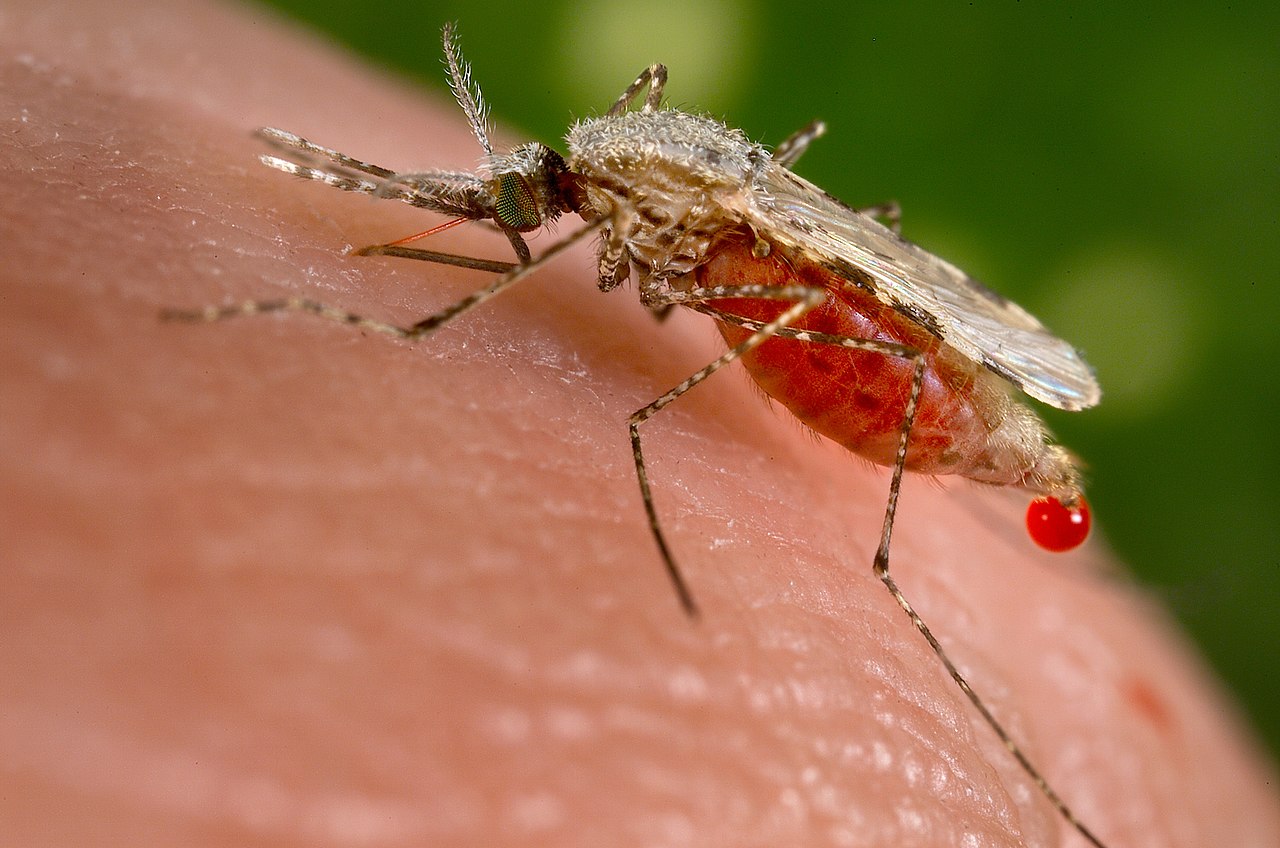
Plasmodium, often called the malaria parasite, is a widespread genus of obligate parasitic protozoa. The genus contains roughly 200 different species. When these organisms infect people the condition is known as malaria, a serious infectious disease that remains common across the tropics. Every Plasmodium species requires two hosts to complete its life cycle: a biting mosquito that serves as the vector and a vertebrate animal in which the parasite reproduces and causes disease.
Image gallery
10 Images



Life cycle
The development of Plasmodium alternates between stages in the mosquito and stages in the vertebrate host. These stages are distinct in form and function:
- sporozoites, the infectious forms that are delivered into the host's bloodstream during a mosquito bite;
- hypnozoites, dormant liver stages found in some species that can remain inactive for months to years before reactivating;
- merosomes and merozoites, which leave the liver and invade the host's red blood cells (erythrocytes);
- trophozoites, the growing form inside red cells, and schizonts, which undergo asexual division to produce additional merozoites that rupture the cell and spread the infection;
- gametocytes, the sexually differentiated male and female cells taken up by a feeding mosquito;
- in the mosquito's midgut the gametocytes develop into free-swimming gametes which fertilize one another;
- fertilization produces motile zygotes that leave the midgut, develop further and eventually form new sporozoites;
- these sporozoites migrate to the mosquito's salivary glands, so that when the insect next feeds it can inject them and start a new cycle of infection.
Distribution, hosts and classification
The genus Plasmodium was first recognised in the late 19th century (1885). At least ten species are known to infect humans, while many others parasitise different animal groups. Examples of non-human hosts include birds, reptiles and rodents, and around 29 species are recorded from non-human primates. Plasmodium belongs to the Apicomplexa, a diverse phylum of parasitic protists; molecular studies suggest these organisms evolved from ancestors related to the dinoflagellates, a group that includes many photosynthetic single-celled eukaryotes.
Human malaria
Most human malaria cases are caused by four species: Plasmodium falciparum, Plasmodium vivax, Plasmodium ovale and Plasmodium malariae. Infection with P. falciparum, which is especially common in sub-Saharan Africa, is associated with the highest rates of severe illness and death.
Questions and answers
Q: What is Plasmodium?
A: Plasmodium is a large genus of parasitic protozoa, commonly known as the malaria parasite.
Q: How many species of Plasmodium are there?
A: There are about 200 species of Plasmodium.
Q: What is infection with these protozoans called?
A: Infection with these protozoans is called malaria.
Q: What two hosts does the life cycle of Plasmodium have?
A: The life cycle of Plasmodium has two hosts - a mosquito vector and a vertebrate host.
Q: How many species infect humans?
A: At least ten species of Plasmodium infect humans.
Q: What phylum do the Apicomplexa belong to? A: The Apicomplexa – the phylum to which Plasmodium belongs – are thought to have originated within the Dinoflagellates – a large group of photosynthetic protozoa.
Q: Which four species cause most forms of human malaria? A: The four most common forms of human malaria are caused by Plasmodium falciparum, Plasmodium vivax, Plasmodium ovale, and Plasmodium malariae.
Related articles
Author
AlegsaOnline.com Plasmodium: genus of malaria-causing parasitic protozoa Leandro Alegsa
URL: https://en.alegsaonline.com/art/77314
Sources
- bmb.oxfordjournals.org : bmb.oxfordjournals.org/content/8/1/7.long