
Protozoa: single-celled eukaryotes, diversity, ecology and significance
Protozoa are diverse single-celled eukaryotes—mostly heterotrophs—found in moist habitats. Once a formal group, they are now treated as multiple lineages within the protists and play key ecological and medical roles.
Protozoa are a traditional grouping of single-celled, mostly heterotrophic eukaryotes. Although the name is historical rather than taxonomic, it remains convenient for describing small, generally motile microbes that feed on bacteria, organic particles and other microscopic organisms. These organisms are not simple blobs of protoplasm: as eukaryotes they contain membrane-bound organelles such as nuclei, mitochondria (in most species) and other specialized structures.
Image gallery
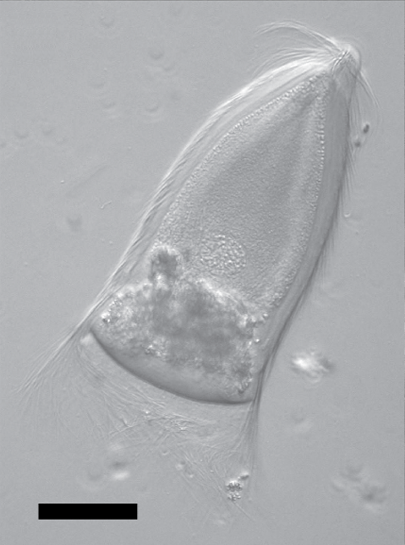
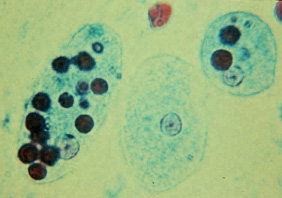
9 Images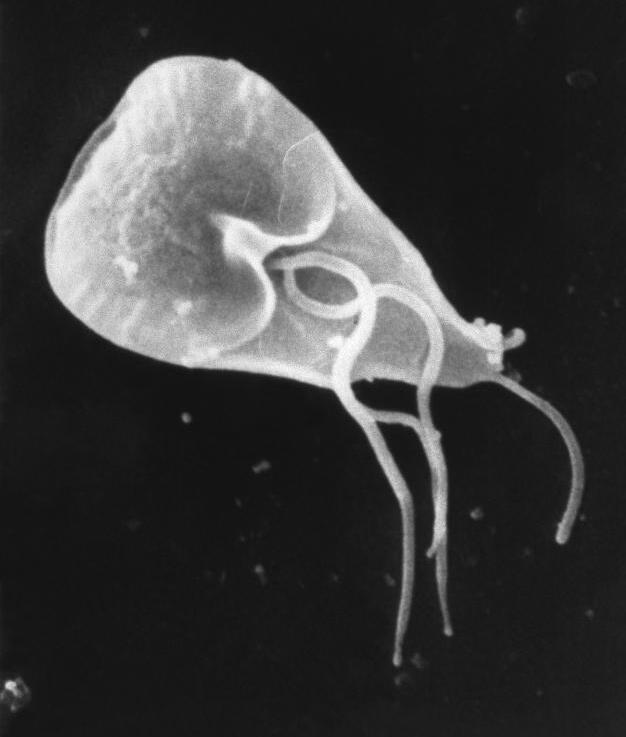


Characteristics and diversity
Protozoan cells show a wide range of forms and lifestyles. Movement may be achieved with flagella, cilia or by extending pseudopodia; feeding occurs by engulfing prey (phagocytosis), absorbing dissolved nutrients, or by symbiotic means. Reproduction most commonly involves asexual division, but many species also undergo sexual processes or complex life cycles. Because of this morphological and functional range, protozoa are often described by ecological role—predators, parasites or symbionts—rather than a single cellular blueprint.
- Locomotion: flagella, cilia, pseudopodia.
- Nutrition: heterotrophy, grazing on bacteria or absorbing organics.
- Reproduction: binary fission, encystment, sexual stages in some taxa.
History, classification and modern view
The label "protozoa" dates to early microscopic studies and was useful for grouping animal-like microbes. Advances in microscopy, biochemistry and especially molecular genetics revealed that organisms traditionally called protozoa belong to multiple, unrelated lineages within the broader assemblage often called protists. Modern phylogenetic methods and genetic analyses distribute these organisms among several eukaryotic supergroups rather than a single phylum, so "protozoa" is now considered polyphyletic in strict taxonomy. Nevertheless the term persists in education and applied fields for convenience.
Taxonomic resources and identification guides continue to treat the group in practical ways; see general references on taxonomy and protozoan biology for details. The concept is linked to other core biological ideas: as eukaryotes they differ fundamentally from prokaryotic microbes, and as primarily heterotrophic organisms they occupy trophic positions as consumers.
Ecology, importance and examples
Protozoa are key players in aquatic and moist terrestrial ecosystems. They regulate bacterial populations, recycle nutrients, and form part of food webs that support larger organisms. Many species inhabit soil, freshwater or marine environments; others live as internal or external symbionts and parasites. Well-known examples include amoeboid organisms, ciliates and flagellates, and groups that contain important parasites (for instance apicomplexans). Some protozoa are used as model organisms in cell biology, while parasitic species are medically and economically significant.
For further reading and identification resources explore introductory biology texts and online treatments that discuss protozoan ecology, life cycles and roles in health and environment. Related topics include microbial food webs, protist systematics and methods for observing single-celled eukaryotes under the microscope. Additional background: cell types, algae interactions, and practical notes on studying protists are available in specialised guides and laboratory manuals.
Questions and answers
Q: What are protozoa?
A: Protozoa are small, single-celled heterotrophic eukaryotes that consume bacteria and other food sources.
Q: Are protozoa simple organisms?
A: Despite being small, protozoa are not simple organisms.
Q: What is the wider term preferred for protozoa today?
A: The wider term preferred for protozoa is protist.
Q: Why is the term "protozoa" problematic?
A: The term "protozoa" is problematic because modern biochemical and genetic techniques have shown that it includes several quite different kinds of cells.
Q: Where are protozoa found?
A: Protozoa are found only in moist or aquatic habitats.
Q: What are some of the different roles that protozoa play in their environment?
A: Many protozoan species are symbionts, some are parasites, and some are predators of soil bacteria and algae.
Q: How many protozoan species are known?
A: About 30,000 protozoan species are known.
Related articles
Author
AlegsaOnline.com Protozoa: single-celled eukaryotes, diversity, ecology and significance Leandro Alegsa
URL: https://en.alegsaonline.com/art/79552
Sources
- health.ny.gov : "Giardiasis (beaver fever) Fact Sheet"