
Planning: principles, processes, and practical applications
An accessible overview of planning: what it is, core components, historical development, common methods, uses in organisations and government, and distinctions from self-organization.
Overview
Planning is the deliberate process of deciding in advance what to do, how to do it, when to do it, and who will do it. It turns broad intentions into organised actions and is used by individuals, businesses and public institutions to achieve specific aims. Most organisations use planning to coordinate work and resources, and to guide the delivery of large efforts such as major projects. At its simplest, planning is thoughtful thinking about future activities, often expressed as a timetable or schedule.
Image gallery
7 Images


Core components and methods
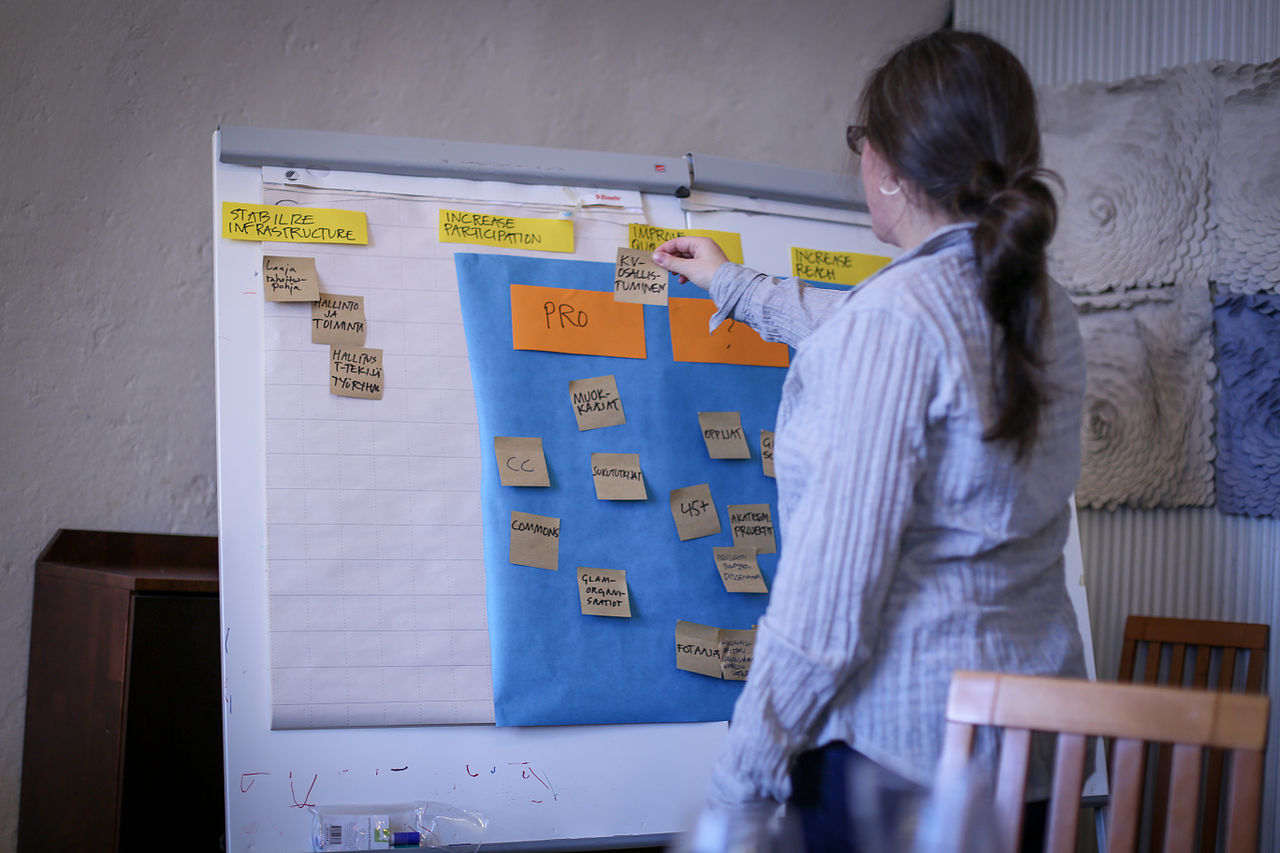
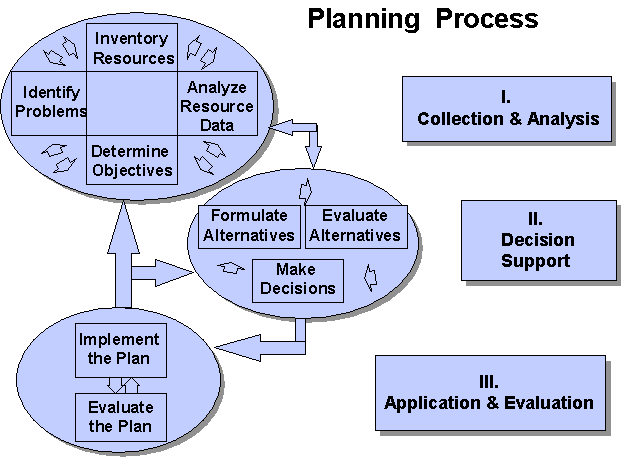
Effective planning combines several interdependent elements: setting objectives, assessing current conditions, forecasting likely changes, choosing a strategy and producing concrete outputs. Forecasting and scenario-building are distinctive techniques: forecasting estimates probable futures while scenario work imagines alternative trajectories and responses. Many organisations and governments practice planning by integrating analytical tools such as forecasting and scenario exercises. The practical outputs of planning typically include formal documents, visual plans and diagrams, and a rhythm of coordinating meetings to keep progress aligned with a chosen strategy.
Common approaches
- Strategic planning: long-term direction and priorities for an organisation.
- Operational planning: day-to-day schedules, resource allocations and procedures.
- Contingency planning: preparations for unexpected events and risks.
- Project planning: defining scope, timeline, budget and responsibilities for a discrete initiative.
History and development
Formal planning practices developed as businesses and states grew more complex. Industrialisation, modern management theory and advances in statistics and forecasting strengthened the role of planning in the 19th and 20th centuries. After World War II, large-scale economic and urban planning became common in many countries, and the rise of project management introduced standardized methods for planning technical and construction works.
Uses, examples and importance
Planning is central to delivering public services, building infrastructure, launching products and coordinating emergency response. Examples range from city master plans and corporate strategic plans to simple weekly work schedules. Good planning improves resource use, clarifies responsibility and creates measurable milestones; it also helps organisations anticipate change by linking forecasting methods with scenario analysis tools.
Distinctions, critiques and practical advice
Planning is often contrasted with self-organization, where order emerges without centralized direction. Critics argue that rigid plans can be inflexible in complex or fast-changing contexts, so modern practice favors adaptive planning and iterative review. Practical steps include defining clear objectives, producing concise documents and visual plans, using diagrams for clarity, and maintaining regular meetings to update schedules and strategies. Planning remains a fundamental human skill and a core organisational activity that balances predictive analysis with purposeful decision-making, reflecting both practical needs and an element of intelligent human behavior (see concept).
For further reading, practitioners often consult technique guides, case studies and standards produced by professional bodies and public agencies; many of these resources discuss the balance between long-term strategy and short-term operational planning, and how to incorporate risk management into everyday plans.
Additional resources and toolkits are available for teams seeking templates, checklists and process flows to turn intent into action; these range from simple chronological to-do lists to detailed work breakdown structures used in formal project management frameworks.
Planning is therefore both a cognitive skill and a set of institutional practices that help groups coordinate complex tasks and shape preferable futures through structured, repeatable steps.
Organisational planning and project planning remain central topics in management education and public policy debates.
Related articles
Author
AlegsaOnline.com Planning: principles, processes, and practical applications Leandro Alegsa
URL: https://en.alegsaonline.com/art/77271
Sources
- forecastingprinciples.com : How does forecasting relate to planning?