
Plotter: large-format vector printers and cutting devices
A plotter is a device that produces precise, large-format line drawings from vector instructions. Used for maps, CAD drawings, signage and vinyl cutting, plotters trace continuous paths rather than print pixels.
Overview
A plotter is a machine that produces high-precision drawings by following vector instructions sent from a computer. Unlike ordinary raster printers that build images from tiny dots, traditional plotters move one or more pens (or cutting tools) along coordinated X and Y axes to draw continuous lines. The term covers several related device types used where accuracy, large media and true line work are important.
Image gallery
4 Images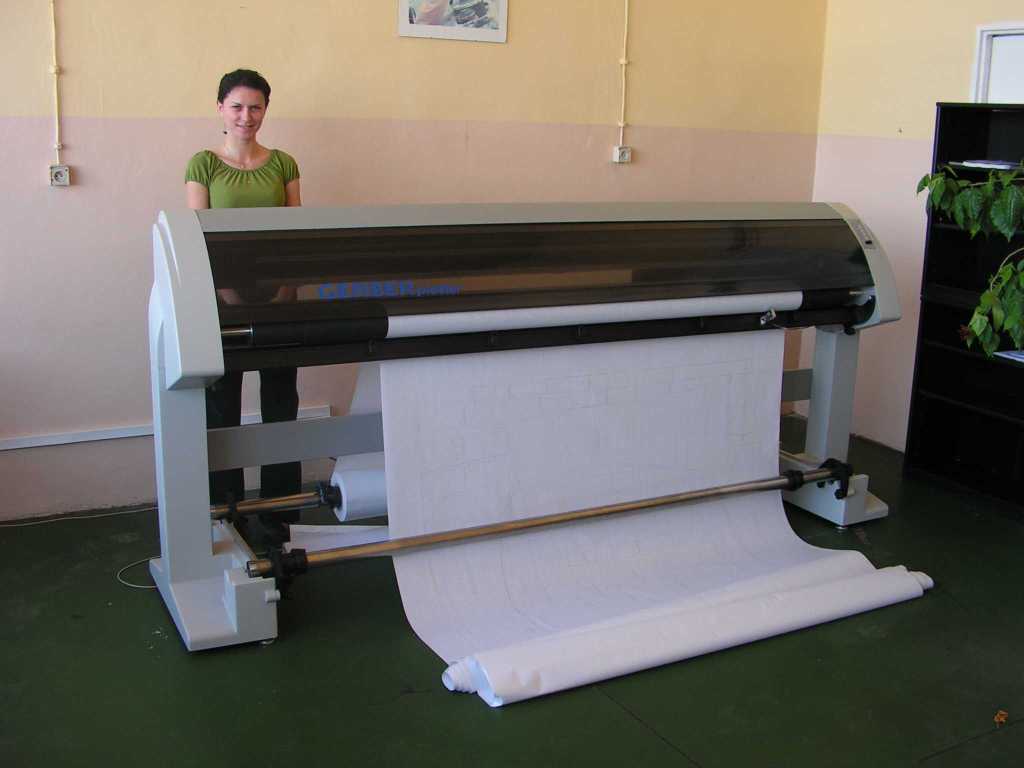


Core characteristics and parts
Typical plotters have mechanical systems for moving media and a head that carries pens or blades. A drum plotter wraps paper on a rotating drum while the pen carriage moves laterally; a flatbed plotter holds the media stationary while the head travels in two dimensions. Modern large-format devices may use inkjet print heads yet still accept vector input. Control languages such as HPGL and similar vector command sets remain common for driving plotters from CAD and drafting software. For more about the role of computers in controlling devices, see computer interfaces.
Types
- Pen plotters: use one or more colored pens to draw lines directly on paper or film; valued for continuous, smooth strokes (pens and ink types vary by application).
- Drum plotters: media mounted on a drum that rotates while the pen moves laterally, suitable for very long prints.
- Flatbed plotters: media lies flat and the carriage moves over it; useful for rigid substrates.
- Cutting plotters: replace pens with blades to cut vinyl and other materials for signs and apparel.
- Large-format inkjet devices: often replace traditional pen plotters for filled areas while still accepting vector input.
Uses and importance
Plotters are widely used in engineering, architecture, cartography and sign-making. They are the standard for technical line drawings such as blueprints, circuit schematics and topographic maps because of their accuracy and ability to render long, unbroken curves. Cutting plotters are essential in producing vehicle graphics, stickers, and garment patterns. Many industries rely on the large media sizes plotters can handle when single-sheet precision is required.
History and development
Early plotters emerged as peripherals for drafting work when computers began to assist designers. Over time, mechanical pen systems gave way in many workflows to large-format inkjets and electronic cutters; nevertheless, the concept of plotting — following vector paths rather than composing raster dots — persists. For details about vector-based image approaches, see vector graphics and how they differ from raster methods. Plotters also integrate with modern CAD/CAM systems and other digital design tools (printer technologies offer a broad comparison).
Advantages, limitations and notable facts
Advantages of plotters include excellent line fidelity, scalability from vector input, and capacity for large-format outputs. Limitations historically included slower speed for filled or shaded areas, ongoing maintenance of mechanical parts and pen replacement. Today many users choose hybrid solutions—vector-driven workflows output to high-resolution inkjets or digital cutters—combining the precision of plotting with faster throughput. For practitioners who require uninterrupted line work or accurate cutting paths, plotters remain a key tool in the production toolbox.
Additional resources and specifications for particular models and workflows are available from manufacturers and technical communities focused on drafting, cartography and sign production; see vendor documentation and industry guides for implementation details and compatibility information (pen supplies, computer requirements).
Related articles
Author
AlegsaOnline.com Plotter: large-format vector printers and cutting devices Leandro Alegsa
URL: https://en.alegsaonline.com/art/77485