
Plastic explosives: composition, uses, history and safety
Malleable high explosives formed by combining a detonable compound with binders and plasticizers. Covers characteristics, common types (C‑4, Semtex, gelignite), uses, history and safety considerations.
Overview
Plastic explosives are a class of high explosives formulated to be soft and moldable at ambient temperatures. They combine a detonable energetic ingredient with polymeric binders and plasticizers to produce a putty‑like material that can be shaped, cut, or pressed into place. Because of their consistency and predictable detonation behavior, they are used where precise placement or shaped charges are required. For a general definition see the reference on plastic explosives.
Image gallery
7 Images


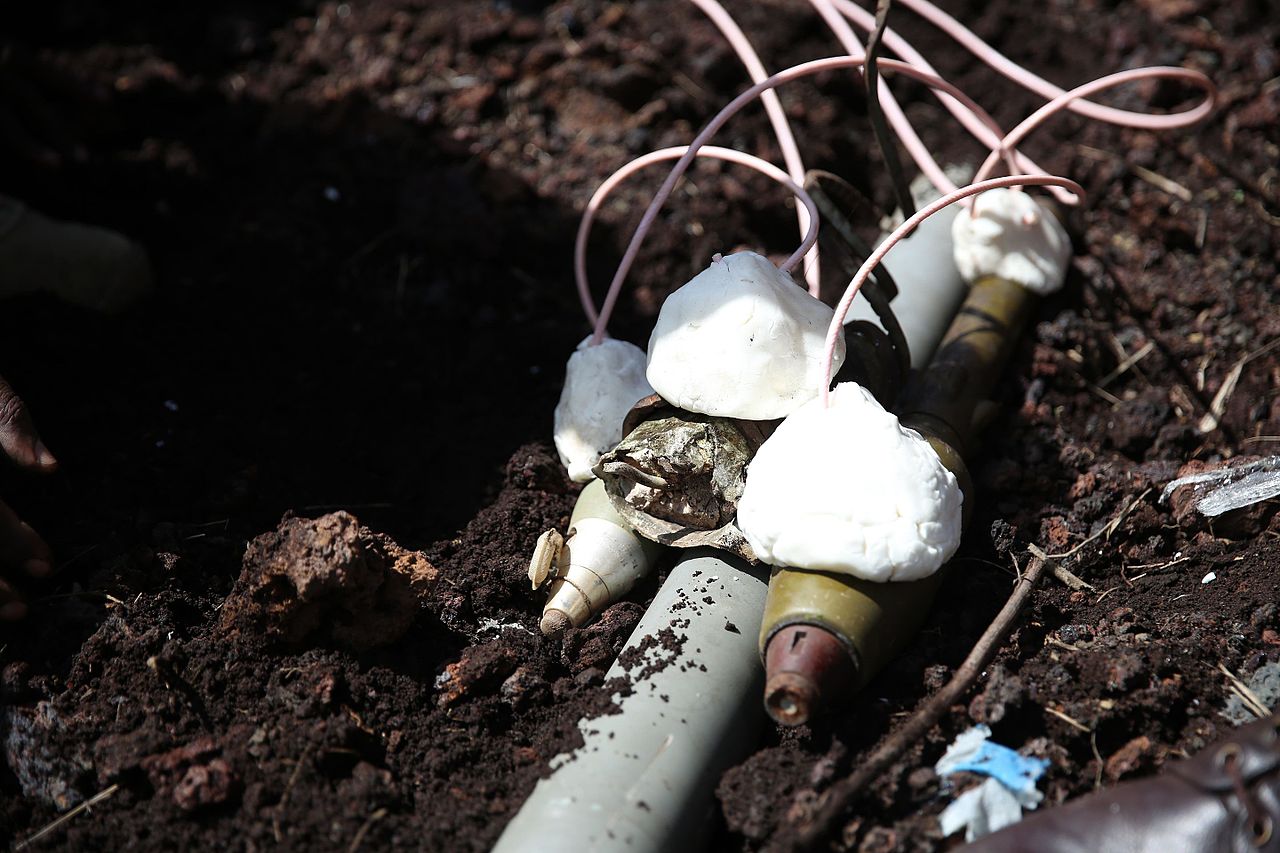


Composition and characteristics
At the core of most plastic explosives is a powerful nitroamine or nitrate explosive such as RDX or PETN, suspended in a matrix of binders and softening agents. The resulting material has several useful properties:
- Malleability: can be layered or conformed to irregular surfaces for controlled cutting or demolition.
- Reduced sensitivity: many plastic explosives are relatively insensitive to shock and friction compared with loose powders, requiring a detonator to initiate detonation.
- Stable storage: when properly manufactured and stored, they retain performance over long periods.
History and development
The origins of putty‑like explosives trace back to Alfred Nobel's work on gelatinous blasting agents in the 19th century; his formulation of gelignite is often cited as a precursor to modern plastic explosives. Later developments in the 20th century produced military and industrial formulations with improved stability and handling. Well‑known modern examples include formulations sold under trade names such as Semtex and the U.S. military's C‑4.
Common uses and applications
Plastic explosives are employed where precise, confined, or concealed placement is needed. Typical applications include:
- Planned demolition and controlled cutting of structural elements in construction and engineering.
- Military breaching, obstacle clearance and shaping of explosive charges for specific effects.
- Certain mining and quarrying operations where shaped charges and compact charges are advantageous.
- Explosive ordnance disposal and training scenarios that require realistic but stable materials.
They are generally used for destructive tasks requiring precision, not for casual or improvised use.
Safety, regulation and detection
Because of their destructive potential, production, sale and possession of plastic explosives are tightly regulated in most jurisdictions. Many countries require manufacturers to add detection taggants or other markers to assist security screening and forensic tracing. Handling is restricted to trained professionals; safe storage, transport, and disposal procedures are enforced to reduce risk. Advances in detection technology and international agreements have shaped both law enforcement practices and industry standards.
Distinctions and notable facts
Not all soft explosives are identical: formulations differ in explosive ingredient, binder chemistry and intended use. Gelignite is an early example developed by Nobel (historical note on gelignite), whereas modern military plastics are engineered for low sensitivity, high reliability and predictable performance. Public concern over covert misuse of some formulations led to regulatory changes and the introduction of detectable additives. For technical details and comparative information see specialist sources or manufacturers' material safety documents (information, supplier reference).
Note: This article describes general characteristics and history; it does not provide instructions for manufacture, handling or use. Unauthorized possession or misuse of explosives is illegal and dangerous.
Related articles
Author
AlegsaOnline.com Plastic explosives: composition, uses, history and safety Leandro Alegsa
URL: https://en.alegsaonline.com/art/77318