
Pit bull (dog type): breeds, history, behaviour and legislation
Comprehensive overview of the term “pit bull”: commonly included breeds, historical background, physical and behavioural traits, health and care, public perception, and legal issues for owners.
The term "pit bull" is an informal, non‑technical label commonly used to refer to a group of related dog types rather than a single standardized breed. Usage varies by country, registry and popular speech; in many contexts the label covers dogs that resemble or descend from certain bull‑and‑terrier crosses. General lists of breeds and introductory canine information may help readers understand classification and terminology: breed lists and general dog resources.
Image gallery
10 Images


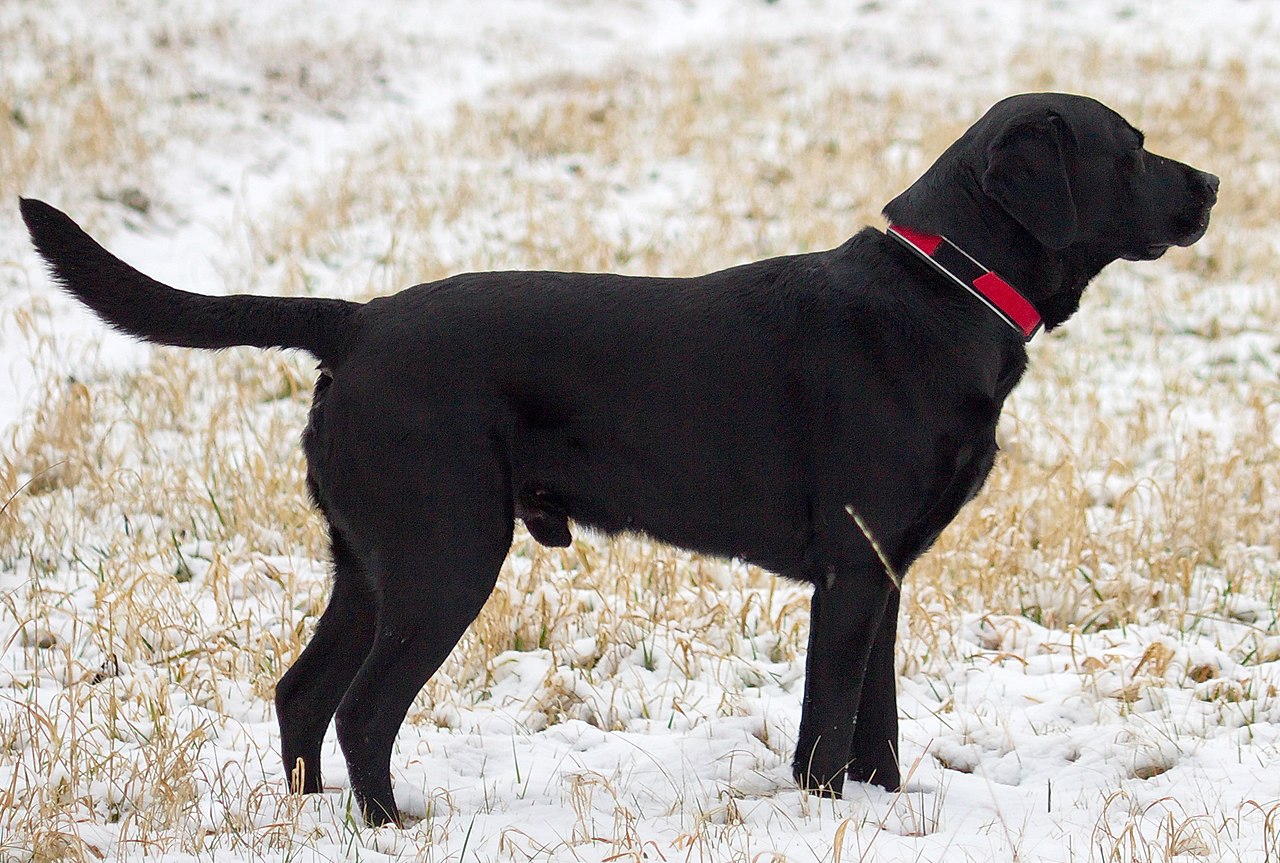


Breeds and types
Modern usage often includes specific, recognized breeds such as the American Pit Bull Terrier, the American Staffordshire Terrier and the Staffordshire Bull Terrier, and it also encompasses newer types such as the American Bully. In everyday speech, some people describe larger or superficially similar animals including certain lines of the American Bulldog or Bull Terrier as "pit bull–type"; for information on a related but distinct breed see Bull Terrier. Many dogs called pit bulls are mixed‑breed animals, and appearance alone is not a reliable indicator of ancestry.
Origins and development
Dogs described as pit bulls trace their origins to crosses between bulldog and terrier stock developed in the British Isles and elsewhere. Historically, breeders combined the strength and tenacity associated with bulldog lines with the agility and gameness of terriers to produce animals capable of work and sporting tasks. The phrase "pit bull" reflects a historical association with pits where blood sports such as dog fighting and baiting occurred; those practices are now illegal in most jurisdictions and are widely condemned. For summaries of how types changed over the 19th and early 20th centuries, consult historical overviews: history sources.
Physical characteristics
Animals commonly described as pit bulls tend to be medium to large, muscular dogs with a relatively broad chest, a solid build and a short coat. There is considerable variation in size, head shape and coat color across the types grouped under the label. Because the term is imprecise, physical traits overlap with many other breeds; individual assessment by experienced breeders or veterinarians is required where precise identification matters.
Temperament, training and behaviour
Temperament varies widely between individuals and is shaped by genetics, early socialization, training and the environment. Many dogs within the broad pit bull grouping are affectionate, loyal and suitable as family companions when properly socialized and trained. At the same time, poor socialisation, abusive handling or selective breeding for aggression can increase the risk of problematic behaviour. Discussions of public safety sometimes refer to such dogs as potentially dangerous in certain circumstances; experts generally emphasise assessment of individual behaviour and owner responsibility over blanket assumptions based on appearance alone.
Health and care
Common health concerns in the breeds and types frequently labelled pit bulls include inherited conditions that affect many medium‑to‑large dogs, such as joint problems, certain cardiac or skin conditions, and allergies. Preventive care—regular veterinary checks, appropriate vaccination, parasite control, weight management and dental care—supports long‑term health. Responsible breeders screen for heritable problems and provide health histories; prospective owners should ask about veterinary records and typical lifespan and care needs for the specific type they are considering.
Role in society and media
Public perception of pit bull types has been shaped by media coverage of individual incidents, by advocacy from animal welfare groups and by community concerns about public safety. Sensational reporting can contribute to fear and misunderstanding, while advocacy and education campaigns seek to highlight responsible ownership and the positive qualities of many animals labelled pit bulls. Community approaches that emphasise owner education, robust animal control practices and targeted interventions for dangerous dogs are promoted by many experts as more effective than relying only on breed labels.
Legislation and policy
Because of concerns about biting incidents in some places, some jurisdictions have adopted laws that regulate or restrict ownership of dogs described as pit bulls. Measures range from licensing, muzzling in public and mandatory containment to breed‑specific legislation that prohibits or restricts particular types. Requirements for registration or a special permit may apply in some municipalities. These policies differ widely between countries, states and cities, and they are often the subject of legal and scientific debate about effectiveness and fairness.
Practical guidance for owners and caretakers
- Choose a dog after meeting several individuals and, when possible, reviewing health and behaviour records.
- Begin early socialization with people and other animals and use consistent, reward‑based training methods.
- Provide secure fencing, supervision in public, and careful introductions to unfamiliar animals and children.
- Maintain regular veterinary care, proper nutrition and exercise appropriate to the dog’s age and condition.
- If behavioural concerns arise, seek help from certified trainers or qualified behaviourists rather than relying on generalisations.
Notable distinctions: the label "pit bull" is cultural, descriptive and legal in some contexts rather than a precise breed classification. For authoritative breed profiles, welfare guidance and policy summaries consult specialised sources and registries: American Pit Bull Terrier, American Staffordshire Terrier, Staffordshire Bull Terrier, and background on related types such as the Bull Terrier. Historical context and discussions of past practices can be found in history summaries, while origins of foundational stock are treated in material about bulldog and terriers. For information on the illegal activities that influenced early reputation and breeding, see sources on dog fighting, and for considerations about public safety and risk factors consult pages on risk and local rules and permit systems such as those described at municipal permit resources. Additional consolidated breed listings and general canine information are available through breed lists and dog resources.
Related articles
Author
AlegsaOnline.com Pit bull (dog type): breeds, history, behaviour and legislation Leandro Alegsa
URL: https://en.alegsaonline.com/art/77111