
Plateosauridae (Prosauropods): Early Sauropodomorph Dinosaurs
Plateosauridae were early herbivorous sauropodomorphs from the Late Triassic–Early Jurassic, known for long necks, thumb claws, facultative bipedalism and an important place in sauropod origins.
Plateosauridae (often called prosauropods) were a group of early herbivorous dinosaurs that first appear in the Late Triassic and persisted into the earliest Jurassic in some regions. These animals represent some of the largest plant-eaters of their time and are important for understanding how later giant sauropods evolved. Fossils attributed to plateosaurids have been found across several continents, and the group is frequently discussed under the broader label "prosauropod" in older literature. early herbivorous dinosaurs inhabited landscapes of the Late Triassic and sometimes the Early Jurassic.
Image gallery
10 Images


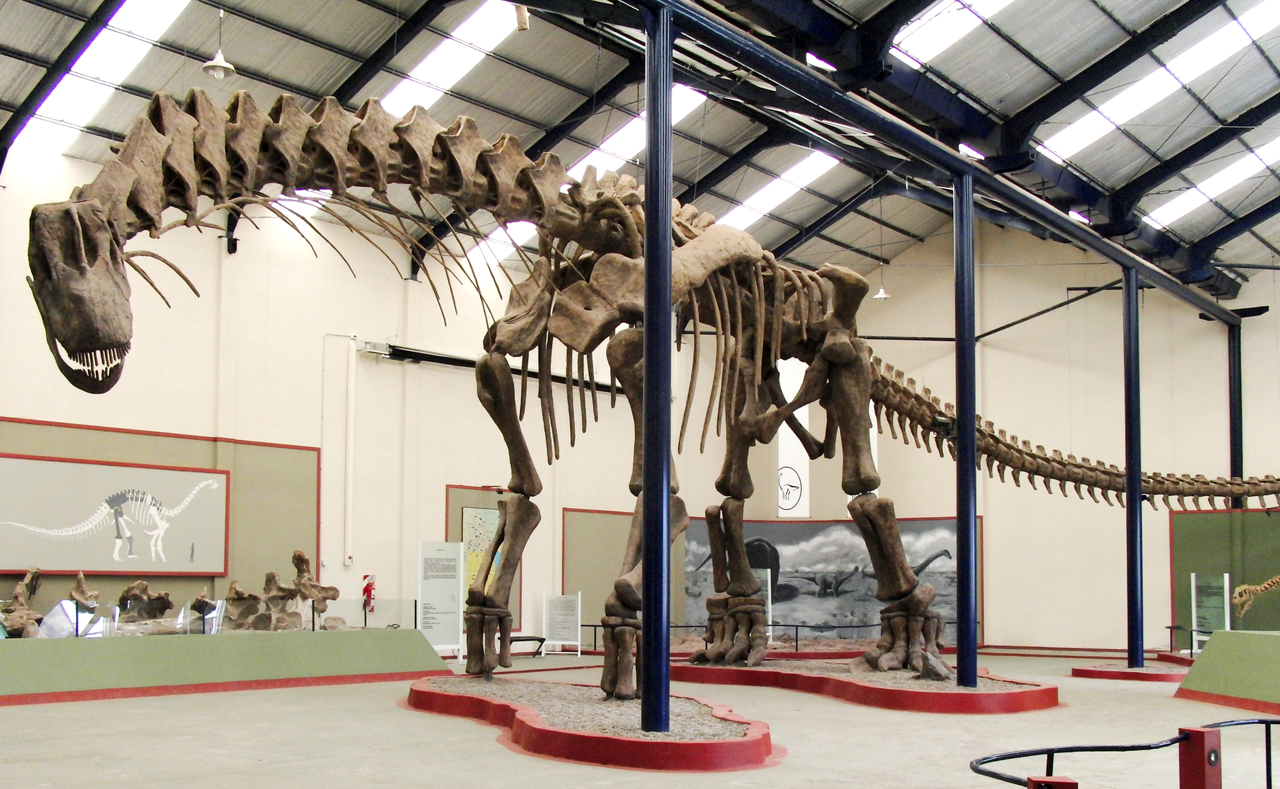


Key characteristics
Plateosaurids display a distinctive combination of skeletal features adapted for herbivory and variable locomotion. Typical traits include a relatively small head on a long neck, leaf-shaped teeth suited for slicing vegetation, a powerful set of hindlimbs paired with shorter forelimbs, and an enlarged thumb claw. Many species were facultative bipeds, able to walk on two legs for locomotion or rear onto the hindlimbs to reach higher plants. Size varied by species, with many plateosaurids reaching several metres in length and some genera growing close to ten metres.
Anatomy and function
- Skull and teeth: small skull with numerous serrated, leaf-shaped teeth for cropping plants.
- Limbs: long hindlimbs for propulsion, shorter forelimbs with grasping hands and a large thumb claw.
- Posture: combination of bipedal and quadrupedal abilities allowing feeding flexibility.
- Tail and neck: long tail for balance and an elongated neck to increase feeding envelope.
Fossil bonebeds, most famously those preserving Plateosaurus remains in central Europe, have provided abundant material for study and suggest that these animals sometimes gathered in groups or were deposited together by environmental events. Well-preserved skeletons allow examination of growth, feeding mechanics and variation within the family.
Evolutionary importance and relationships
Historically, prosauropods were viewed as direct ancestors of the giant sauropods. Modern analyses have refined that picture: what was once called "Prosauropoda" may represent a paraphyletic grade of early sauropodomorphs from which true sauropods arose. Plateosauridae occupies an early branch of sauropodomorph evolution and provides evidence of trends—longer necks, herbivorous dentition, changes in limb proportions—that preceded the evolution of colossal, quadrupedal sauropods. Some researchers treat plateosaurids as a coherent family within basal sauropodomorphs rather than a single linear ancestor to later forms. sauropods therefore descended from this broader early radiation rather than from a single, unbroken prosauropod lineage.
Plateosaurids remain a focal point for studies of dinosaur growth, ecology and biomechanics. Their combination of primitive and derived characters makes them especially valuable for reconstructing how the great sauropod herbivores evolved from smaller, more nimble ancestors. For overviews and specimen records consult specialist summaries and museum collections noted in the paleontological literature. early herbivorous dinosaurs and their context in the Late Triassic and Early Jurassic continue to refine our picture of Mesozoic ecosystems.
Questions and answers
Q: What were Plateosaurids or Prosauropods?
A: Plateosaurids or Prosauropods were a group of early herbivorous dinosaurs that lived during the later Triassic and early Jurassic periods.
Q: When did Plateosaurids live?
A: Plateosaurids lived during the later Triassic and early Jurassic periods.
Q: How large did Plateosaurids grow to be?
A: Plateosaurids quickly reached a length of 6 to 10 meters long, making them the largest herbivores in their environment.
Q: What were some unique features of Plateosaurids?
A: Plateosaurids or Prosauropods had a long neck and a small head, forelimbs shorter than the hindlimbs, and a very large thumb claw for defense.
Q: What was the original belief about Plateosaurids' relationship to sauropods?
A: The original belief was that Plateosaurids were the ancestors of sauropods.
Q: What is the current belief about Plateosaurids' relationship to sauropods?
A: Some now consider Plateosaurids to be a parallel lineage to sauropods.
Q: What did Plateosaurids eat?
A: Plateosaurids were herbivores, meaning they ate plants.
Related articles
Author
AlegsaOnline.com Plateosauridae (Prosauropods): Early Sauropodomorph Dinosaurs Leandro Alegsa
URL: https://en.alegsaonline.com/art/77345