
American Staffordshire Terrier
A medium-sized, muscular dog breed developed from 19th‑century bull-and-terrier crosses. Bred as working companions, they are now kept as family pets, show dogs, and working partners.
The American Staffordshire Terrier is a robust, medium‑sized breed known for its muscular build, short coat, and confident bearing. Bred to combine strength and agility, the breed today is kept mainly as a companion animal, show competitor, and working dog. For an introductory overview, see a general breed profile.
Image gallery
6 Images
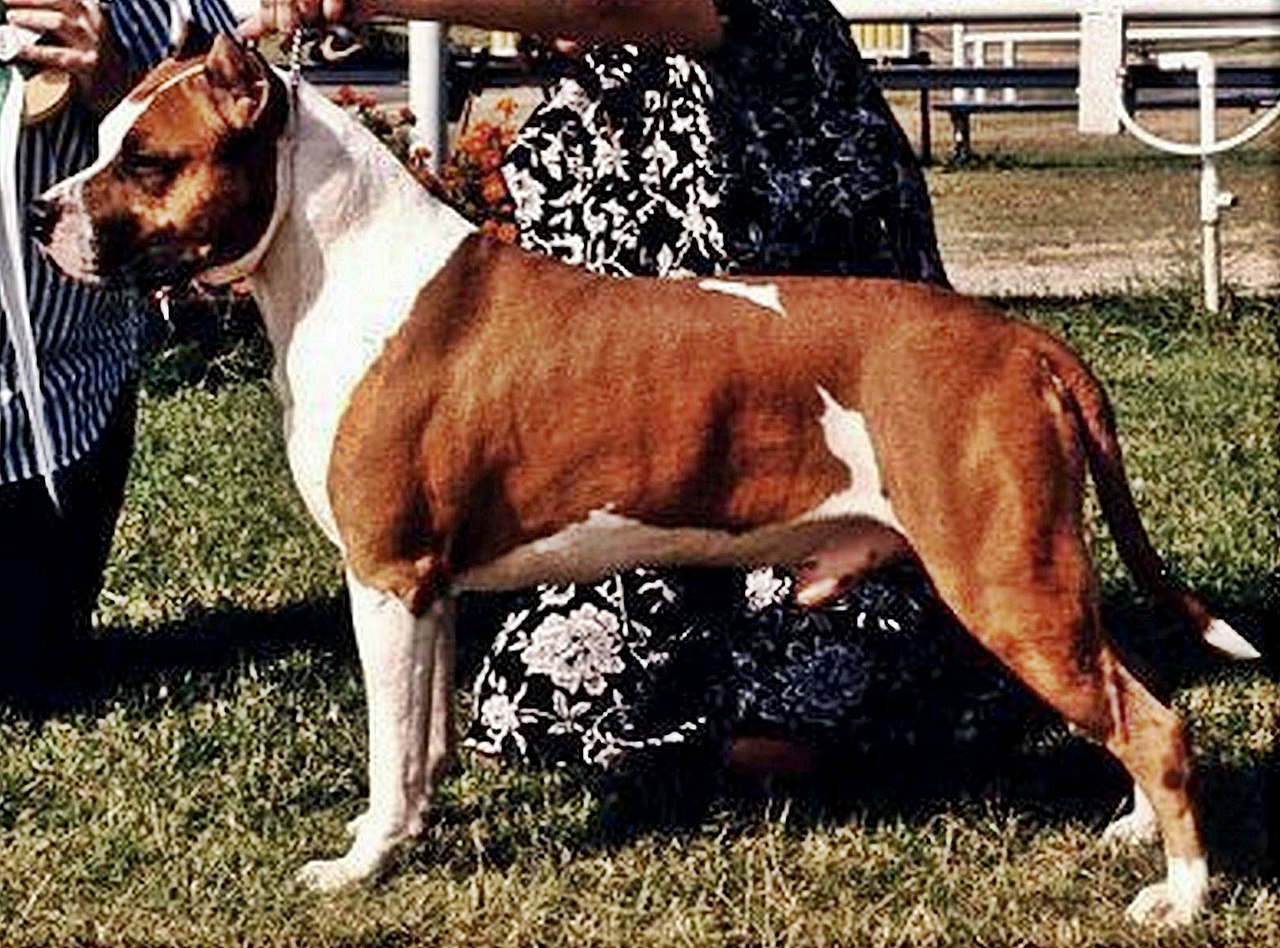

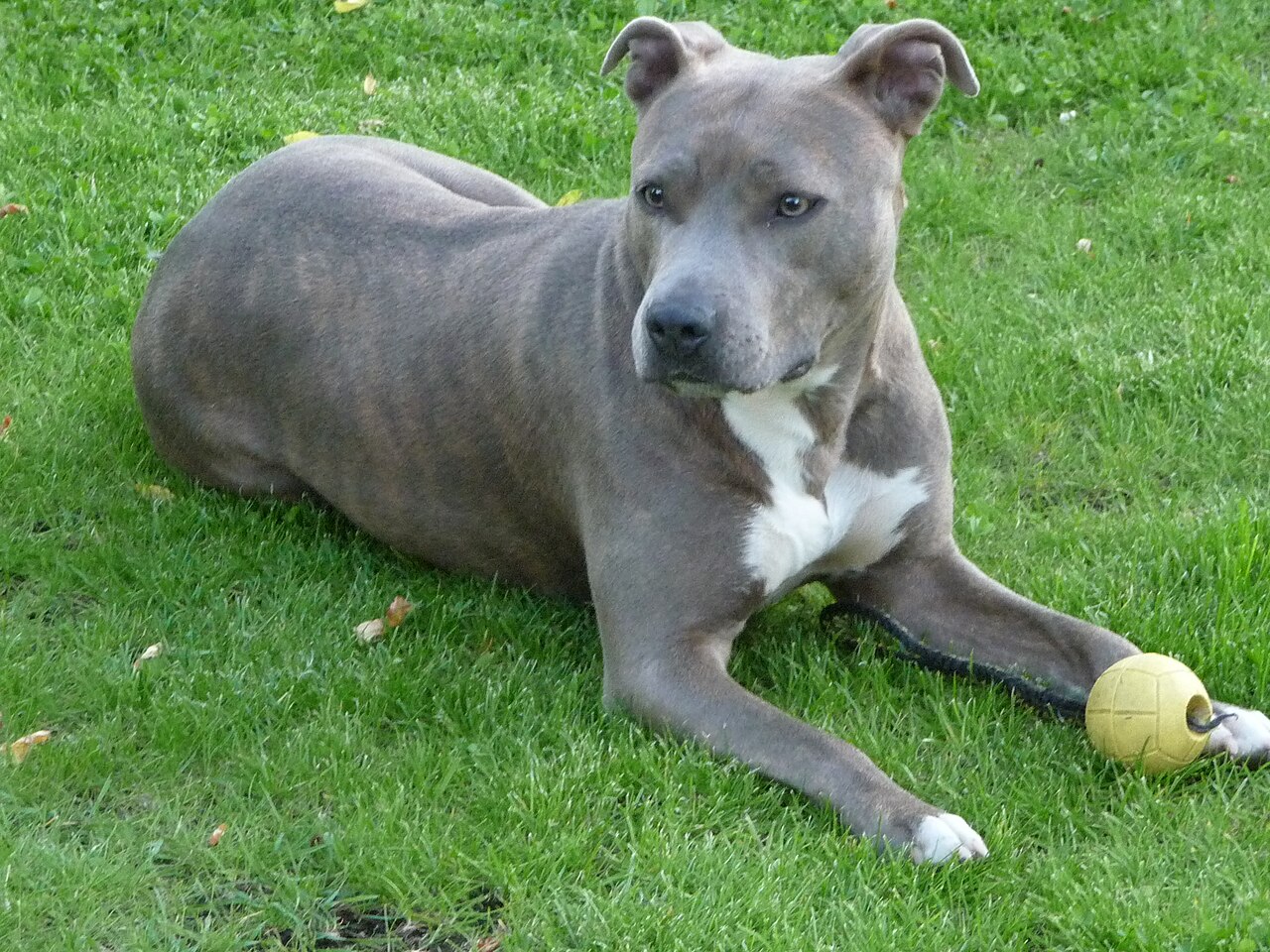

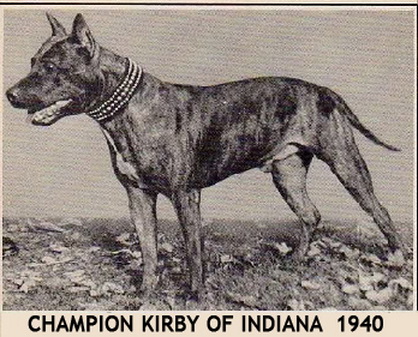
Appearance and characteristics
AmStaffs typically have a broad head, pronounced cheek muscles, and a deep chest. Their coat is short and glossy and can appear in many solid or patched colors. Key physical and behavioral traits include:
- Size: medium build with a powerful, athletic frame.
- Coat: short, low‑maintenance, and smooth.
- Temperament: often described as confident, loyal, and people‑oriented when properly socialized.
- Exercise needs: moderate to high — they benefit from regular play, walks, and training.
History and development
The breed traces its roots to bull‑and‑terrier crosses developed in the British Isles during the 19th century, combining the strength of bulldog types with the agility and gameness of terriers. These dogs were brought to North America, where breeders selected for a slightly larger, more robust dog suited to working and companion roles. Early names and regional types varied, and through the 20th century the population was refined into the modern American Staffordshire Terrier; historical summaries are available at breed history sources. The AmStaff shares ancestry with other bull‑and‑terrier breeds and is related to the Staffordshire Bull Terrier and the American Pit Bull Terrier (bulldog ancestry, terrier ancestry, pit‑type terriers).
Temperament, training and care
With consistent, positive training and early socialization, American Staffordshire Terriers tend to be affectionate and devoted family dogs. They are intelligent and respond well to reward‑based training. Owners should provide structured exercise, mental stimulation, and clear leadership. Grooming needs are minimal, but routine health checks, dental care, and parasite prevention are important.
Health, uses and notable facts
Common health considerations mirror those of many medium‑to‑large breeds and can include orthopedic issues, skin sensitivities, and inherited conditions; regular veterinary care can help manage risks. Typical roles for the breed include family companion, conformation and performance sports (obedience, agility), and various service or therapy capacities. Because of visual similarities to other "pit‑type" dogs, American Staffordshire Terriers are sometimes subject to mistaken identity and breed‑specific policies; prospective owners should research local regulations and insurance implications.
For more detailed guidance on breeding standards, training methods, and health screening, consult breed clubs and veterinary resources, and follow reputable sources such as kennel club breed pages and specialist organizations (general profile, history overview).
Tags
Related articles
Author
AlegsaOnline.com American Staffordshire Terrier Leandro Alegsa
URL: https://en.alegsaonline.com/art/3477