
Bull Terrier
A compact, muscular dog breed developed in 19th-century England, known for its distinctive egg-shaped head, short coat, playful temperament, and variety of working and companion roles.
Overview
The Bull Terrier is a distinctive breed of dog that emerged in 19th-century England. Bred originally for blood sports and later for companionship and show work, the modern Bull Terrier is muscular, active and known for a unique head profile that sets it apart among terrier-type dogs.
Image gallery
10 Images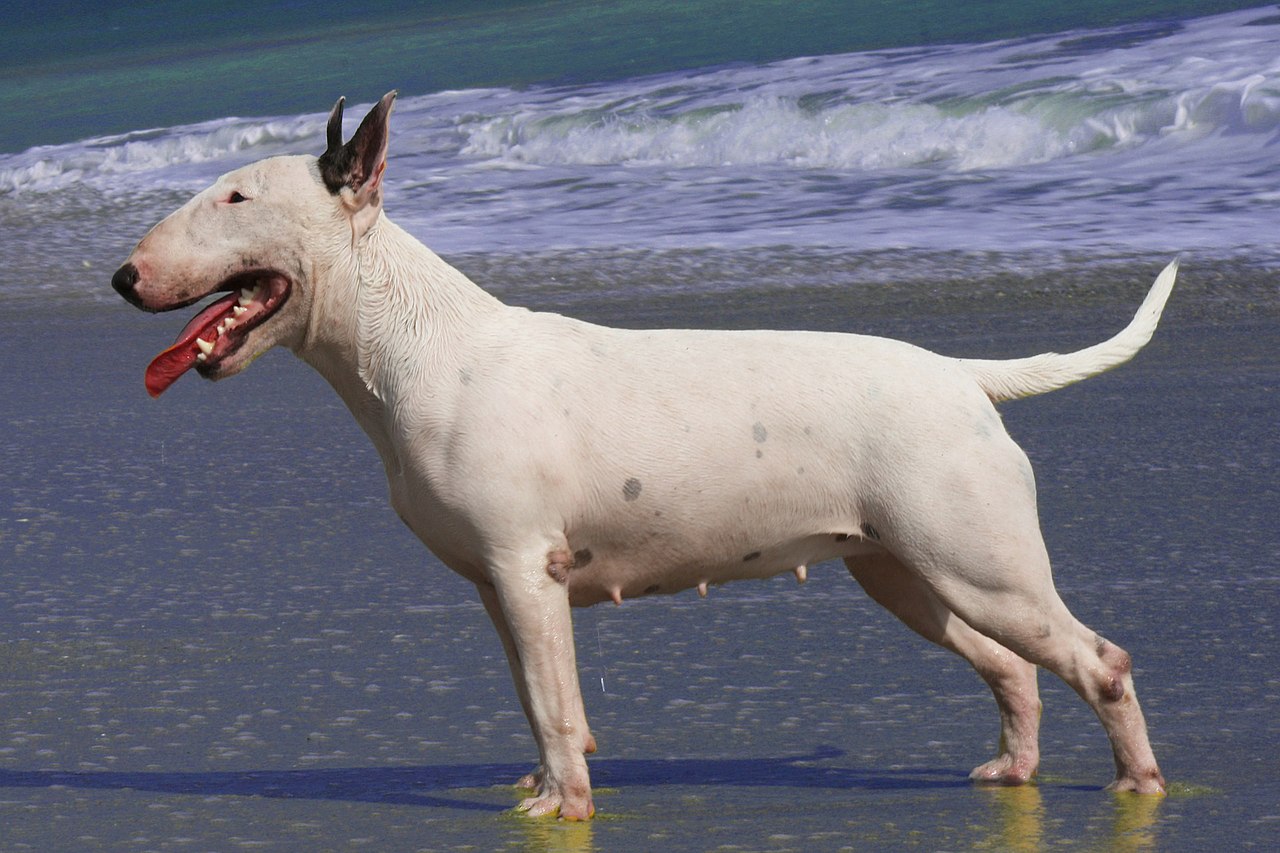


Appearance and characteristics
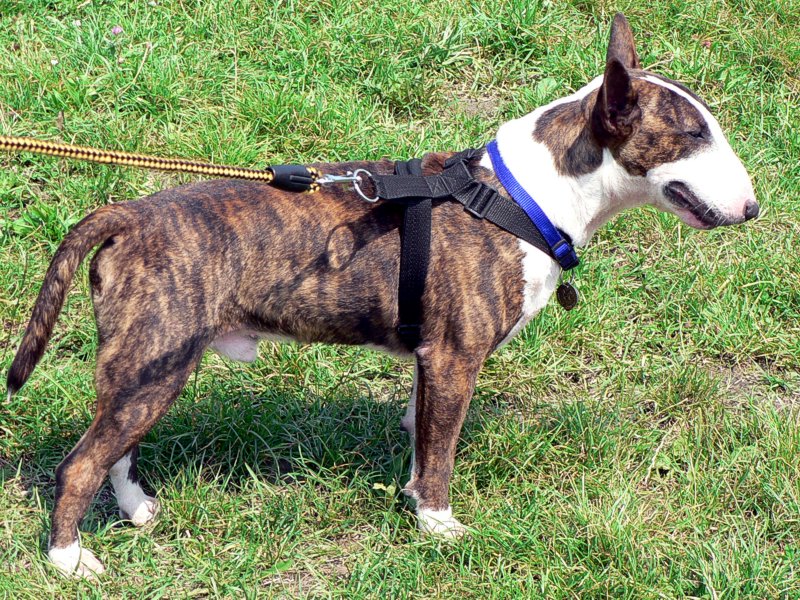
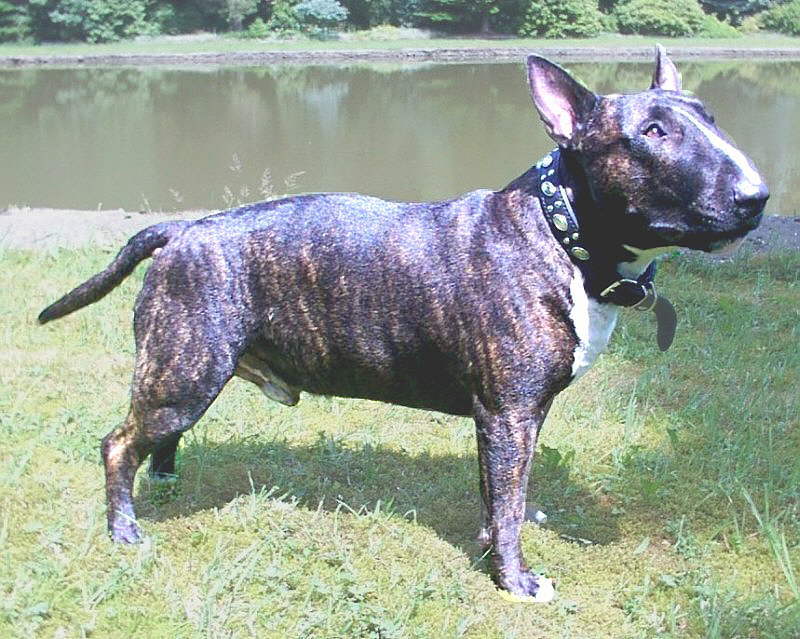
Bull Terriers have a short, dense coat and a strongly built body. Typical identifying traits include a long, curving skull often described as "egg-shaped," small triangular eyes and powerful jaws. Their coat is smooth and close-lying; common coat traits are noted in breed descriptions and care guides. Adult adults often stand roughly 21–22 inches tall and commonly weigh in the range noted for the type, though individual size varies by line.
Temperament and uses
Historically used as fighting dogs, Bull Terriers have been transformed over generations into companion animals, show dogs and family pets. They are energetic, affectionate toward their families, and can be headstrong. Early, consistent training and socialization help channel their high energy and curiosity. Breeders developed the breed by combining several types of dogs, drawing on the strengths of bulldogs and terriers and other crosses to produce the Bull Terrier form origin.
Care and health
Caring for a Bull Terrier involves daily exercise, mental stimulation and routine grooming. Their short coat makes weekly brushing and occasional bathing sufficient for most dogs. Owners should monitor common breed-related health issues and consult a veterinarian for preventive care. Practical care tasks include:
- Regular walks and play to meet exercise needs
- Basic obedience training and socialization from puppyhood
- Routine veterinary checks and vaccinations
- Skin and ear inspections to catch allergies or irritation early
History and development
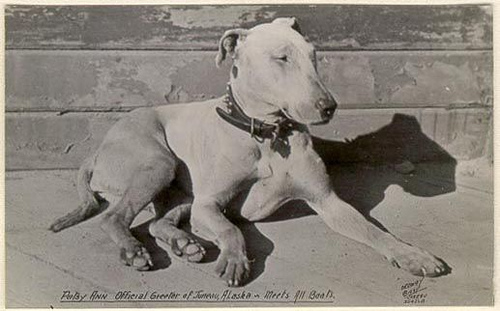
The Bull Terrier was shaped by 19th-century breeders who crossed bulldog types with various terriers to create a dog with both strength and agility. Over time the emphasis shifted from fighting ability to conformation, temperament and distinct appearance. The breed has been refined through selective breeding to produce the well-known profile and compact, muscular build seen today.
Variants and notable facts
There are recognized variations, most notably the Standard Bull Terrier and the smaller Miniature Bull Terrier. The breed is celebrated for its loyalty and exuberant personality, and has appeared in art and popular culture. Distinguishing features often highlighted by enthusiasts and judges include the head shape, coat texture and expressive, if small, eyes. For more specific breed standards and guidance consult breed clubs and breed-specific resources: coat, eyes, height, weight.
Tags
Related articles
Author
AlegsaOnline.com Bull Terrier Leandro Alegsa
URL: https://en.alegsaonline.com/art/15238
Sources
- britannica.com : "Bull terrier"