
Plymouth Colony
An early English settlement in New England (1620–1691) that became a model for self-government, known for the Mayflower Compact, relations with Native peoples, and its eventual merger into Massachusetts.
Overview and location
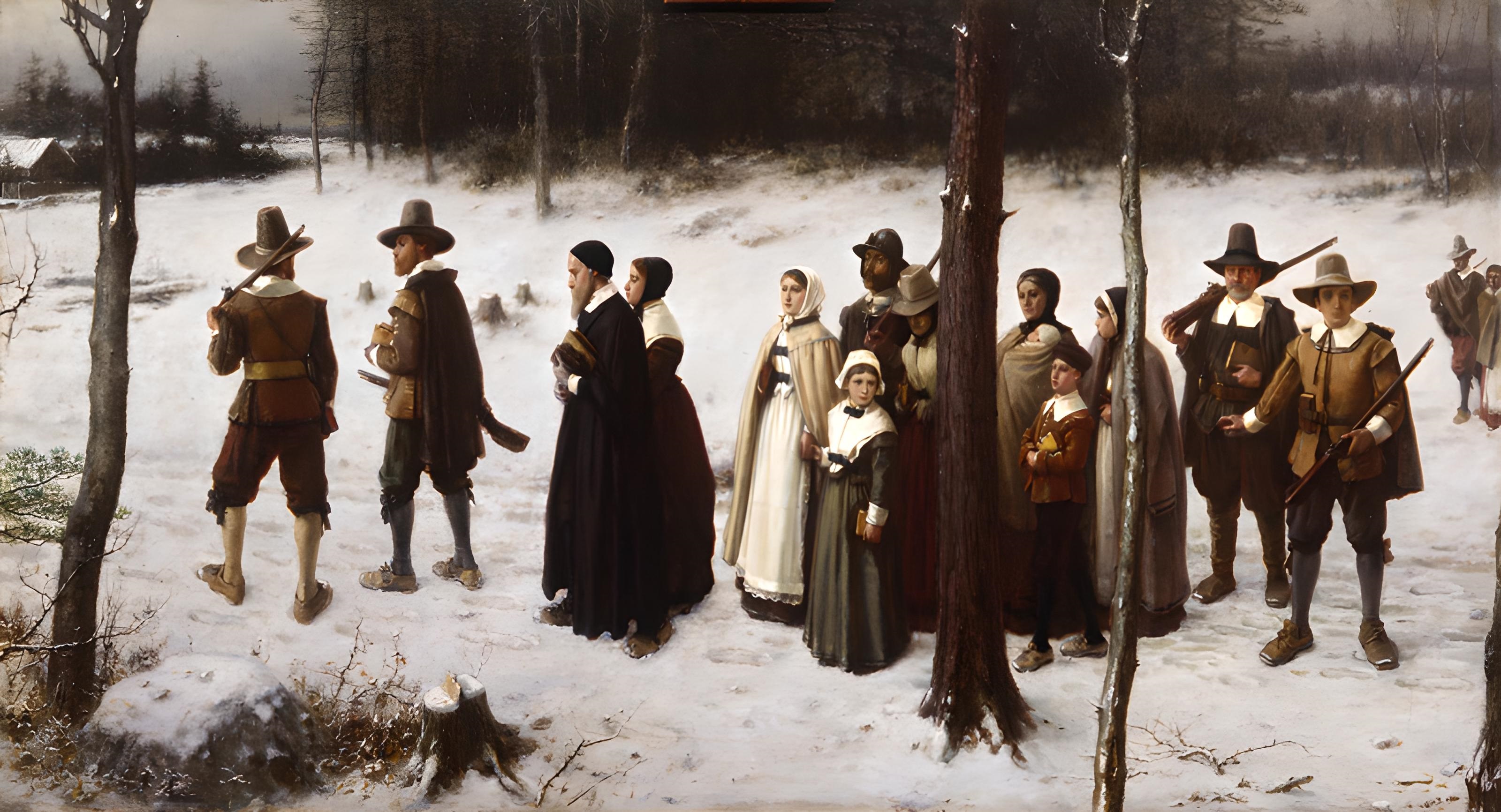
Plymouth Colony was an English settlement on the coast of New England established in 1620 and lasting until 1691. Settlers who sailed on the Mayflower sought religious freedom and a new start; they established a community at the site of present-day Plymouth in southeastern Massachusetts. The colony occupied territory that is now part of the modern state of Massachusetts and formed one of the earliest enduring English settlements in North America.
Image gallery
10 Images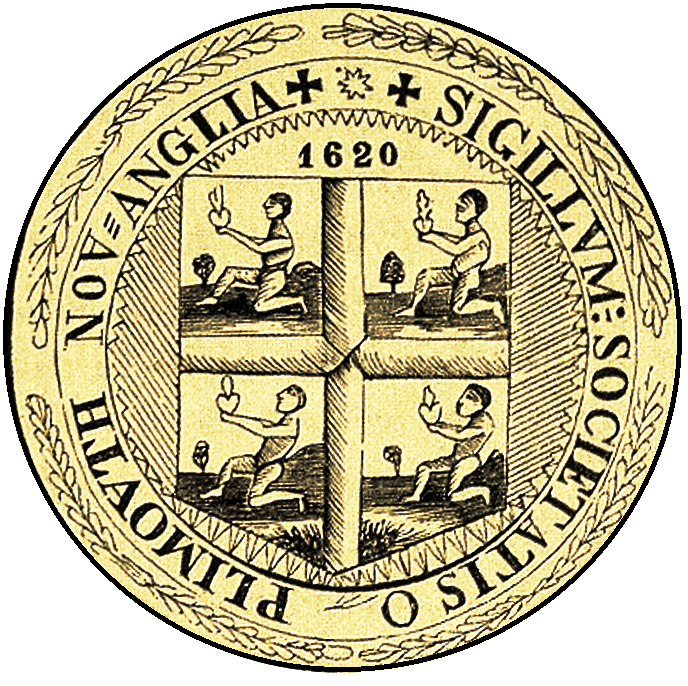



Founding and early years
After landing off Cape Cod, leaders drafted the Mayflower Compact, a compact for joint governance that helped maintain order before any formal charter existed. Harsh first winters tested the newcomers; nearly half the original company died in the first months. Survival depended on adaptation to local conditions and practical help from Indigenous neighbors.
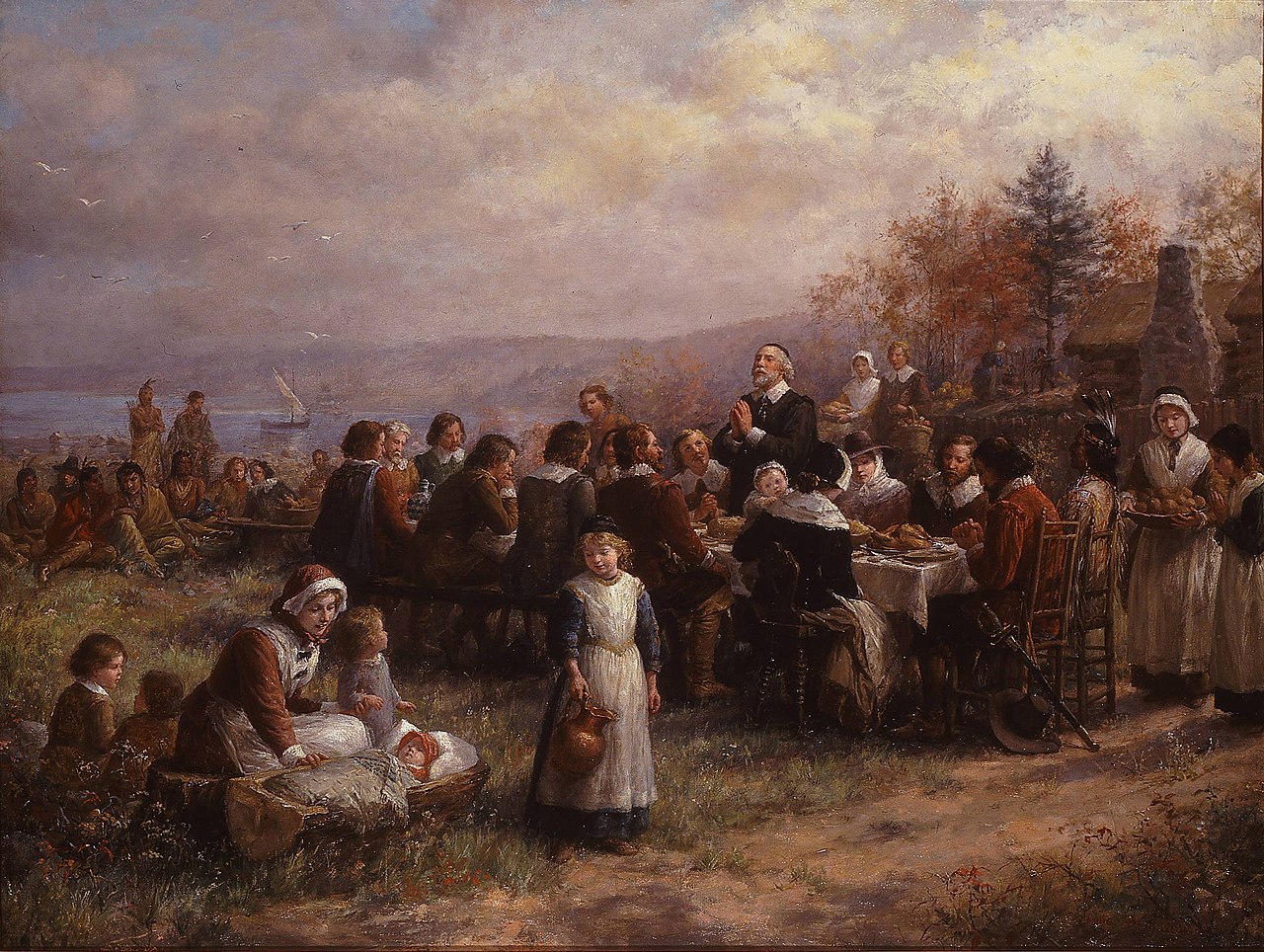
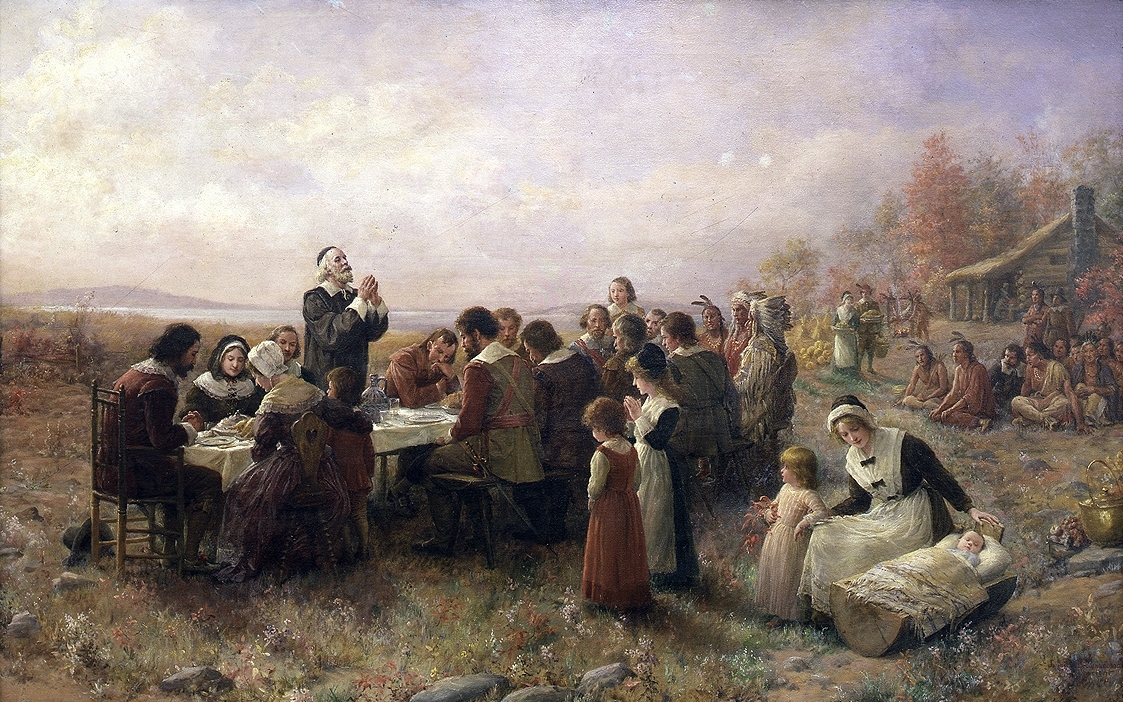
Relations with Native peoples were a defining factor in Plymouth's survival. Members of the Wampanoag nation, including a leader remembered as Massasoit, negotiated peace with the settlers. An intermediary known as Squanto taught techniques such as planting corn and fishing that supported the colony through its early years. These contacts were pragmatic and often fragile, shaped by alliances, trade and later tensions.
Government, economy, and society
The colony developed a compact, community-focused form of local government with town meetings and elected magistrates. Its economy mixed subsistence agriculture, fishing, small-scale commerce and trading relationships with other English colonies and with Indigenous peoples. Plymouth lacked a royal charter for much of its existence and operated with a degree of local autonomy until it came under increased imperial oversight.
- Notable figures: William Bradford (longtime governor), Myles Standish (military leader).
- Institutions: town meetings, communal decisions, and seasonal work cycles.
- Events: signing of the Mayflower Compact, early harvest festivals that later influenced Thanksgiving traditions.
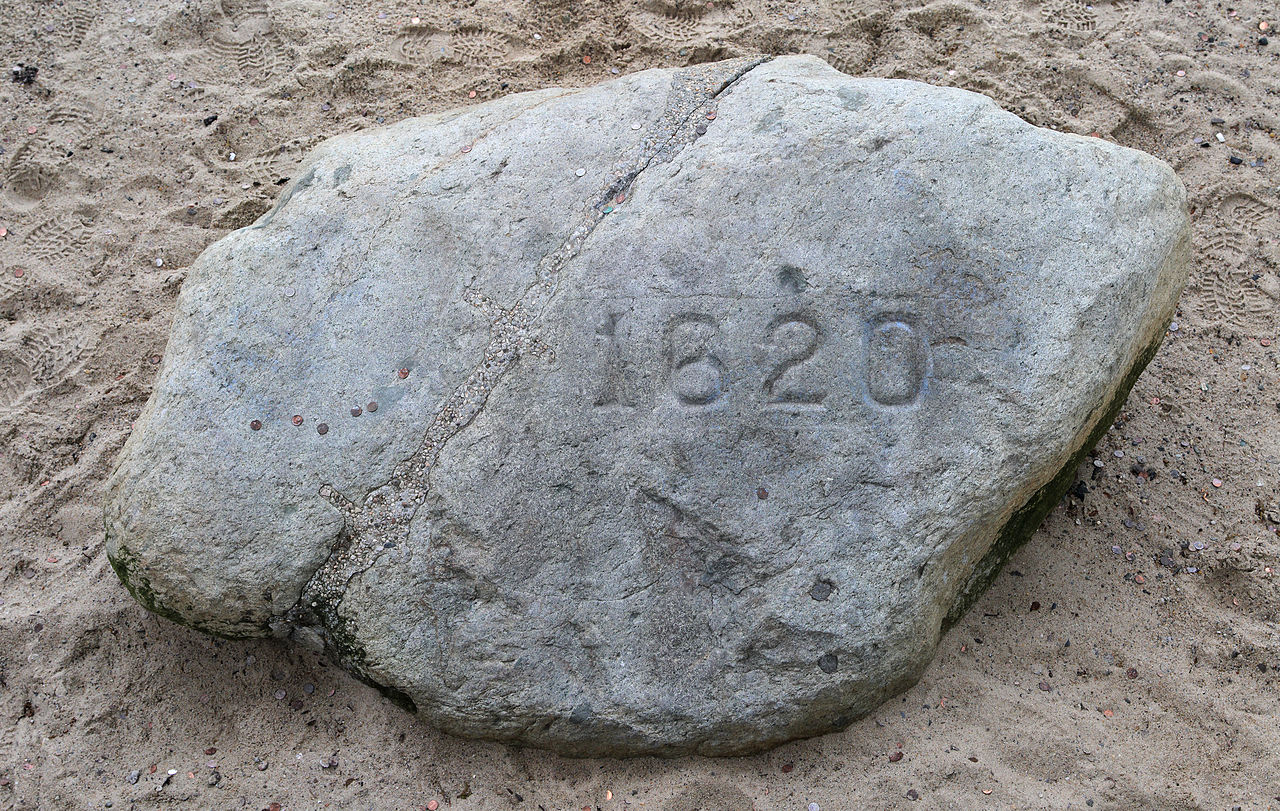
In 1691 Plymouth Colony was incorporated into the new Province of Massachusetts Bay under a royal charter, ending its separate legal identity. Its legacy endures in American historical memory as an example of early colonial self-governance, intercultural contact and mythmaking—most famously the stories surrounding the first Thanksgiving and Plymouth Rock. For broader context on English colonization and colonial institutions see sources on English colonies and regional overviews of North America.
Related articles
Author
AlegsaOnline.com Plymouth Colony Leandro Alegsa
URL: https://en.alegsaonline.com/art/77527
Sources
- etext.virginia.edu : The Romantic Story of the Mayflower Pilgrims