
Phoenicia: ancient maritime civilization of the Levant
Phoenicia was a network of city-states on the eastern Mediterranean shore known for seafaring, trade, the Phoenician alphabet and colonies such as Carthage. It shaped Mediterranean culture and writing.
Phoenicia refers to a group of ancient city-states and a shared maritime culture that developed along the eastern Mediterranean coast. Centered on coastal cities such as Byblos, Sidon and Tyre, the Phoenicians emerged after the Bronze Age upheavals and became best known for long-distance trade, shipbuilding and the spread of a simple consonantal script. Scholars often describe Phoenicia as an influential civilization located to the north of Canaan, though its political life was organized around independent port cities rather than a single state.
Image gallery
10 Images
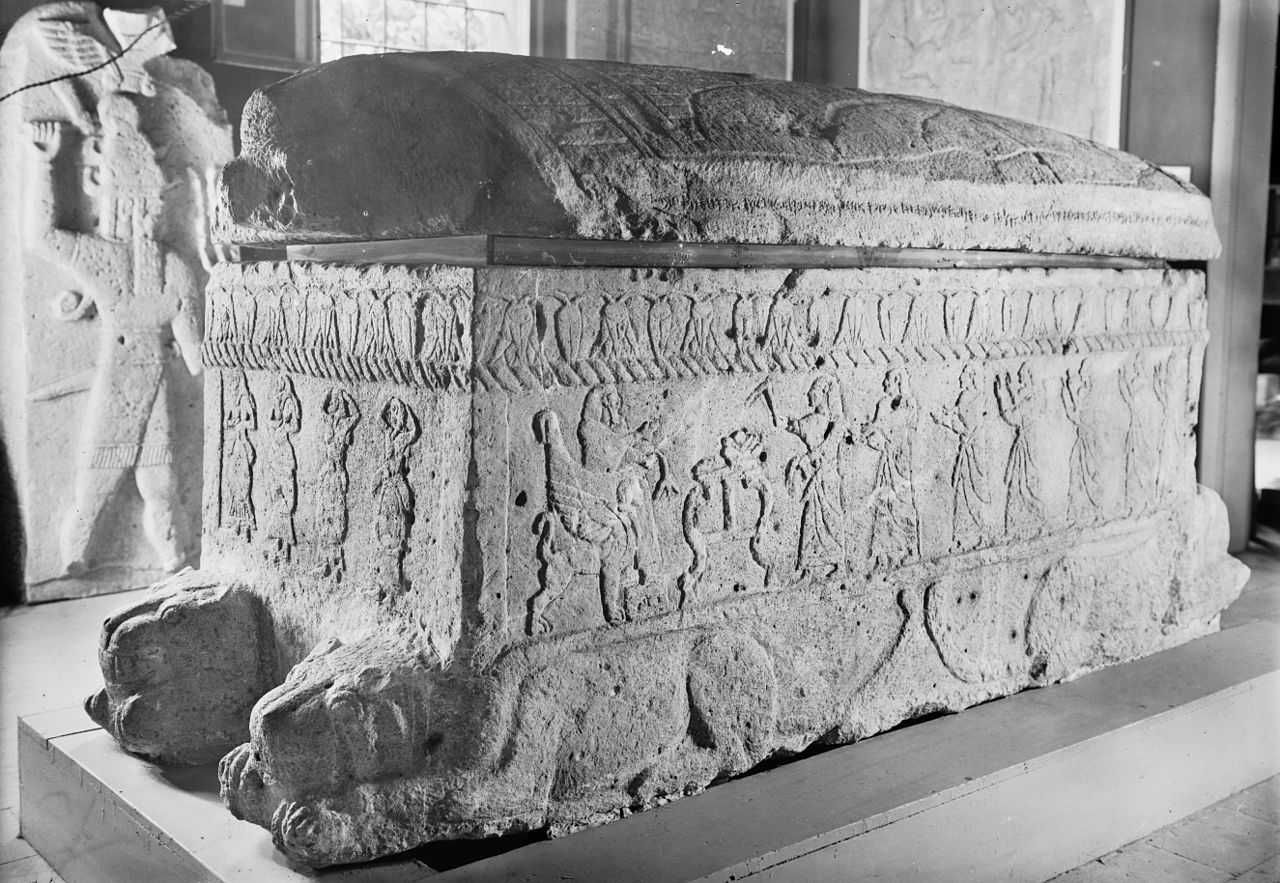


Geography and urban centers
The Phoenician homeland was a narrow coastal strip with access to the sea and to timbered mountain slopes. Major urban centers — especially Tyre, Sidon and Byblos — served as commercial hubs, naval bases and cultural centers. These cities exported timber, purple-dyed textiles, glass and crafted goods in exchange for raw materials and metals.
Language and writing
Speakers used the Phoenician language, a Northwest Semitic tongue recorded in inscriptions and papyri. The Phoenicians developed an alphabetic script that reduced writing to a small set of consonant signs; this Phoenician language and its alphabet influenced later alphabets in the Mediterranean, notably Greek and, through Greek, the alphabets used in Europe.
Trade, navigation and colonies
Phoenician sailors and merchants established extensive maritime routes across the Mediterranean. They founded trading posts and colonies, the most famous of which became the city of Carthage in North Africa. Their networks reached the western Mediterranean and, according to ancient sources and archaeological evidence, extended as far as the British Isles to obtain tin and other metals traded for eastern goods like cedar and purple dye produced from murex shells. The metal sought by these voyages is commonly identified as tin, an essential component of bronze.
Legacy and significance
Phoenicia's principal legacy is cultural and economic rather than imperial: the spread of alphabetic writing, maritime technology and commercial practices that shaped later Mediterranean societies. Archaeological finds, inscriptions and classical accounts continue to refine our understanding of Phoenician society, religion and craftsmanship. Their cities served as points of cultural exchange between Near Eastern, Egyptian and western Mediterranean worlds.
- Characteristics: seafaring, commerce, city-state organization.
- Products: timber, purple dye, glass, metalwork.
- Impact: alphabetic writing and colonial networks.
Related articles
Author
AlegsaOnline.com Phoenicia: ancient maritime civilization of the Levant Leandro Alegsa
URL: https://en.alegsaonline.com/art/76533
Sources
- phoenicia.org : "What was Historical Syria and Phoenicia? Is there confusion?"
- phoenicia.org : "Phoenician Alphabet"
- ancienthistory.about.com : "Carthage"