
Phoney War (September 1939 – May 1940)
A period of limited offensive action on the Western Front after the 1939 outbreak of World War II, marked by mobilization, naval conflict, propaganda, and a delayed major land campaign until spring 1940.
Overview
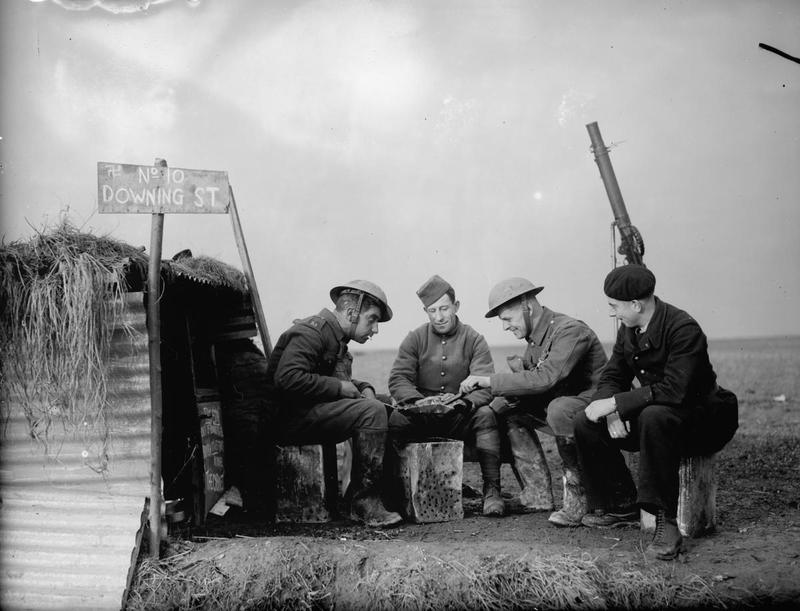
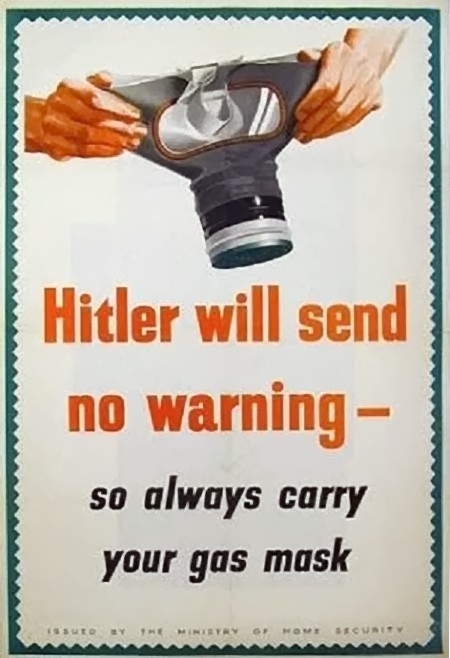
The term "Phoney War" describes the months of relative inactivity on the Western Front after the outbreak of World War II in September 1939 and before the major German offensives in spring 1940. It is sometimes called the "Sitzkrieg" or the "Bore War" in English, reflecting the contrast between formal declarations of war and the lack of large-scale ground operations between the principal Western powers during that interval.
Image gallery
6 Images



Characteristics of the period
Although Britain and France declared war on Germany, the fighting that followed was restricted and uneven. Both sides undertook mobilization, fortification, and economic measures rather than rapid offensive action. Notable features include:
- Frontline standoffs behind defensive positions such as the French Maginot Line and dispersed British forces (the British Expeditionary Force and other Commonwealth units) in France and Belgium.
- Naval warfare and economic blockade: Allied attempts to blockade German shipping and German submarine operations that inaugurated the wider Battle of the Atlantic.
- Aerial activity that was limited compared with later phases—propaganda leaflet drops and reconnaissance by the Royal Air Force and Luftwaffe were more common than major strategic bombing campaigns.
- Logistical expansion and reinforcement: troops, training, and materiel movements, including arrivals of Dominion forces such as Canadian formations in Britain.
Timeline and key events
The quiet period is usually dated from the German invasion of Poland in September 1939 until Germany's wider offensive in May 1940, though combat resumed earlier in some areas. In the immediate aftermath of Poland's defeat, Britain and France implemented a naval blockade and declared war; Germany reciprocated and increased U-boat operations targeting Allied shipping associated with Germany and its economic lifelines. There were localized Allied moves, such as limited French incursions into the Saar region, but no decisive open-field campaigns. The lull was disrupted in April 1940 when Germany invaded Denmark and Norway—operations that marked the end of strict inactivity—and culminated in May with the large-scale invasions that swept through the Low Countries and led to the fall of France in May 1940.
Diplomacy, supplies and outside assistance
Governments continued diplomatic and economic efforts while preparing for larger campaigns. Britain and France sought weapons and materials, and while the United States maintained formal neutrality it adjusted policies to assist Allies short of direct intervention. Early wartime trade and payment arrangements allowed purchases of arms and supplies; later policies such as Lend-Lease (implemented after this period) would formalize large-scale American support. The period also saw political debate about whether the Allies could have used the lull to strike decisively against German industry—a matter still discussed by historians.
Consequences and notable aspects
The Phoney War shaped public perception and military planning. Civilian life in Britain and France was affected by mobilization, blackout measures and evacuation plans, yet the absence of a continental offensive created a sense of unreality and anxious waiting. For Germany, the interval allowed strategic preparation for the fast, combined-arms campaigns that followed; for the Allies, it was a time to mobilize forces and build defensive infrastructure. The phrase endures as an example of how formal state conflict can coexist with a prolonged period of limited frontline action.
For further reading, see introductory resources on the wider British and French war efforts and detailed accounts of early naval operations around Germany and Allied maritime strategy. Contemporary accounts and military analyses offer differing interpretations of how much opportunity the Allies had during this "phoney" interval to change the course of the early war.
Related topics include the outbreak phase of the broader conflict, the opening naval battles and convoy campaigns, and the operational lessons that shaped the Allied response after the period of limited action ended.
Questions and answers
Q: What was the Phoney War?
A: The Phoney War was a period of eight months during World War II from September 1939 to May 1940 in which there were no significant military operations in Europe.
Q: What did the British and French do when they declared war against Germany?
A: The British and French declared a blockade against Germany.
Q: What did Germany do when the British and French declared war?
A: Germany did the same and began the Battle of the Atlantic, which involved German submarines destroying many Allied ships.
Q: What did the Royal Air Force do during the Phoney War?
A: The Royal Air Force dropped propaganda leaflets on Germany.
Q: What happened in April 1940 during the Phoney War?
A: Germany invaded Denmark and Norway.
Q: What did Britain and France do to obtain weapons during the Phoney War?
A: Britain and France began to buy weapons from American weapon companies.
Q: How did the American government help Britain and France during the Phoney War?
A: The American government remained neutral but helped Britain and France by selling weapons cheaply and then by Lend-Lease of military equipment and supplies.
Related articles
Author
AlegsaOnline.com Phoney War (September 1939 – May 1940) Leandro Alegsa
URL: https://en.alegsaonline.com/art/76558