
Picts: peoples of northern and eastern Scotland in late antiquity and the early Middle Ages
The Picts were peoples of northern and eastern Scotland known for carved symbol stones, distinctive art and a gradual fusion with Gaelic kingdoms that formed the medieval kingdom of Alba (Scotland).
Overview
The Picts were a collection of tribal groups who lived in what is now northern and eastern Scotland. They appear in Roman writings from the late 3rd century, and later in medieval chronicles. Roman authors used a Latin term that appears in sources, and later writers preserved accounts and names that show how Romans and early medieval historians understood the peoples north of Hadrian's Wall. Archaeology, place‑names and carved monuments are the primary sources for reconstructing Pictish life.
Image gallery
10 Images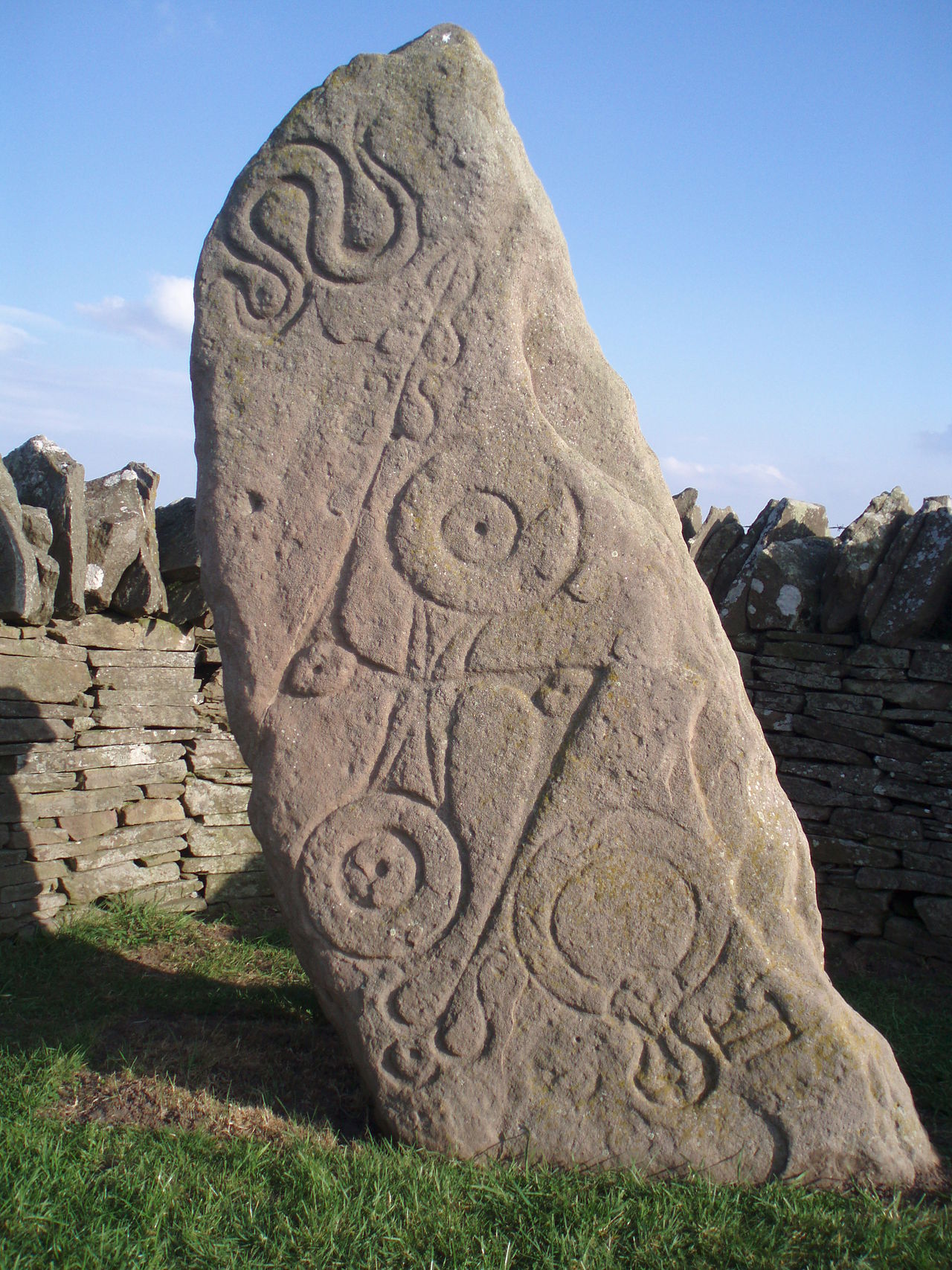




Names and first written records
The earliest surviving explicit reference to peoples later identified as Picts dates to around AD 297 in accounts of Roman operations beyond the frontier; this is among the earliest written notices preserved of these northern groups AD 297. The Latin word pictus, meaning "painted", was used by Roman authors and is usually taken to reflect either body decoration or a Roman exonym applied to people who practised tattooing or painting. Medieval chronicles and later historians preserved a mixture of fact, place‑name evidence and legend about their leaders and territories.
Language and origins
Evidence from place‑names, a few inscriptions and comparisons with neighbouring languages indicates that the Picts spoke a language closely related to the Brittonic (Brythonic) languages of southern Britain. Earlier ideas that Pictish was non‑Indo‑European have been largely superseded by the view that it belonged to the Celtic family. The Picts are commonly seen as inheritors of local Iron Age groups, including those referred to by Roman writers as the Caledonians, but they formed a series of regional polities rather than a single centralised state.
Art, monuments and material culture
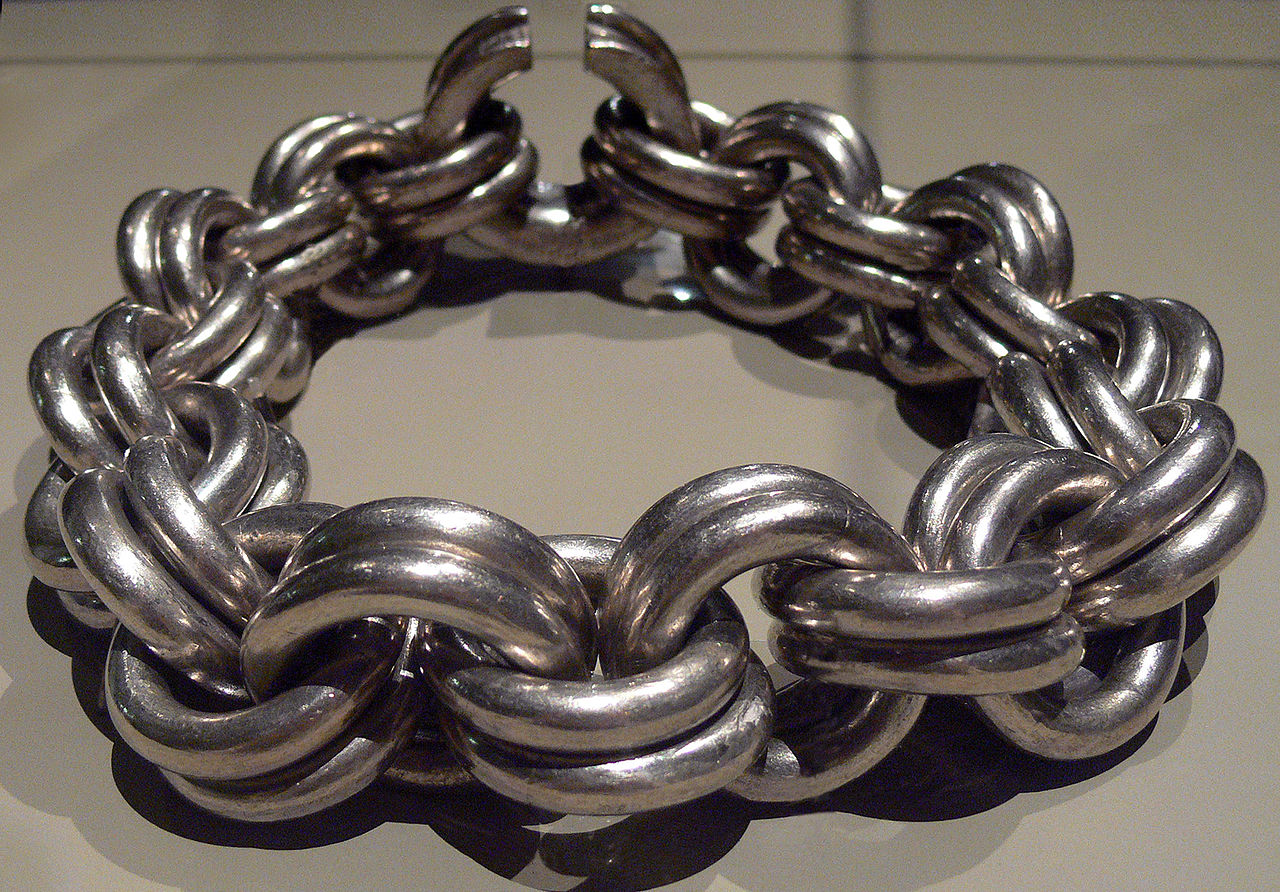
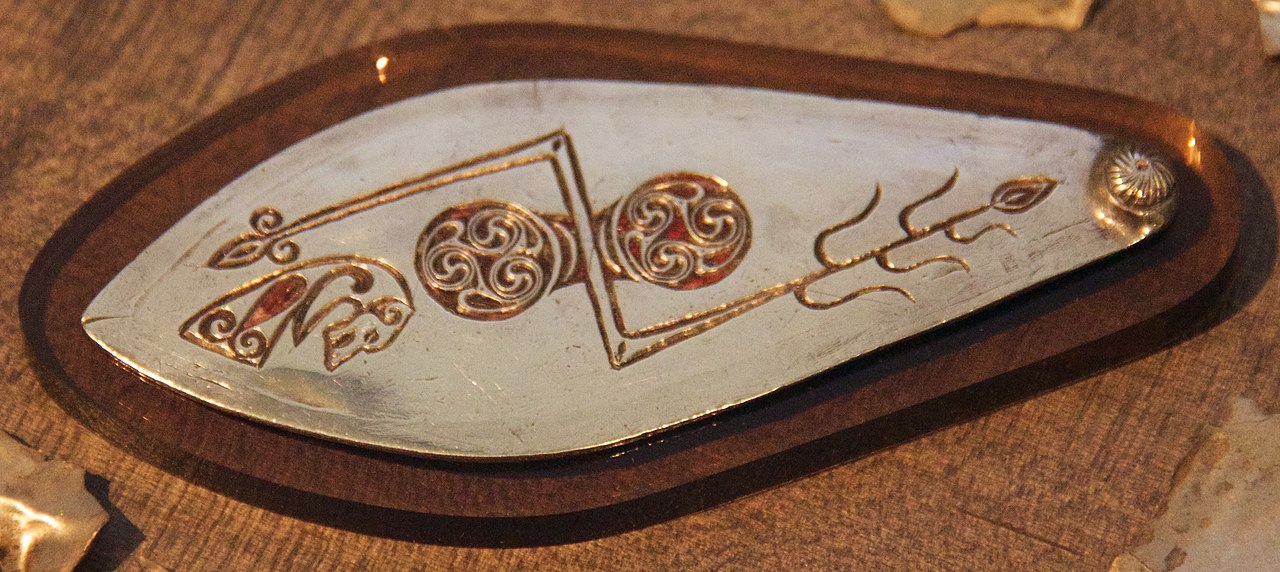
Much of what is distinctive about the Picts survives in stone rather than in written records. A large corpus of carved "Pictish stones" bears abstract symbols, animal figures and, after conversion to Christianity, crosses and biblical scenes. Archaeological remains also include fortified sites, metalwork and evidence for farming and craft production. These finds show continuity with Iron Age traditions and interaction with neighboring societies through trade and cultural exchange.
Society, belief and ecclesiastical change
Pictish society appears to have been organised around kin groups and regional royal households. Before widespread Christian influence, their belief systems left little direct textual trace; later centuries show conversion to Christianity, establishment of churches and monastic foundations, and the integration of Christian iconography into Pictish stone carving. Missionary activity and contacts with Irish, Brittonic and continental Christian traditions contributed to religious change.
Politics, Vikings and the formation of Alba
From the early medieval period Pictland interacted with neighbouring polities: the Gaelic kingdom of Dál Riata, the Brittonic realm of Strathclyde and the Anglo‑Saxon region of Bernician Lothian. Viking raids and settlements in the 8th–9th centuries affected coastal regions and political structures. Over several centuries, dynastic alliances, warfare and cultural assimilation contributed to the emergence of a unified polity often called Alba; by the later first millennium and into the 11th century distinct Pictish political identity had been largely incorporated into the wider medieval Scottish realm.
Legacy and modern study
The Picts are remembered principally through their carved stones, place‑names and archaeological landscape. Modern research combines archaeological fieldwork, scientific dating, analysis of material culture and careful study of early texts to refine understanding of their language, social organisation and interactions with neighbours. Debate continues over aspects of kinship, succession and the precise nature of cultural change, making the Picts a continual focus of interdisciplinary study and public interest.
- Sources: Roman accounts, early medieval chronicles and archaeological evidence together shape modern understanding.
- Art: Pictish stones and metalwork provide the clearest visible legacy.
- Transition: Fusion with Gaelic and other polities produced the medieval kingdom of Alba.
Questions and answers
Q: Who were the Picts?
A: The Picts were an ancient people from northern and eastern Scotland.
Q: When are they first mentioned in written records?
A: The Picts are first mentioned in written records in AD 297, before the Roman conquest of Britain.
Q: What does the name 'Pict' mean?
A: The name 'Pict' is from the Latin pictus meaning 'painted.' This may have been due to the tattoos on their bodies, or it may refer to a name they called themselves that was recorded by the Romans.
Q: What language did they speak?
A: The Picts spoke a Pictish language which was related to the Brythonic languages spoken by Britons living to the south.
Q: Who were their ancestors?
A: It is believed that the Picts were possibly descended from Caledonians and other tribes that were mentioned by Roman historians.
Q: How did Alba (later known as Scotland) form? A: Alba formed when area of Scotland called Pictland merged with Gaelic kingdom of Dál Riata. Alba then expanded, absorbing British kingdom of Strathclyde and Bernician Lothian.
Q: When did the Pictish identity become part of Scottish people? A: By 11th century,the Pictish identity had become part of Scottish people.
Related articles
Author
AlegsaOnline.com Picts: peoples of northern and eastern Scotland in late antiquity and the early Middle Ages Leandro Alegsa
URL: https://en.alegsaonline.com/art/76750