
Tin(II) chloride (stannous chloride)
Tin(II) chloride (SnCl2), commonly called stannous chloride, is a tin salt and mild reducing agent used in synthesis, plating, and analytical chemistry; it exists as hydrates and is distinct from tin(IV) chloride.
Overview
Tin(II) chloride, often called stannous chloride, is an inorganic compound with the formula SnCl2. It typically appears as a white or colorless crystalline solid that is hygroscopic and soluble in water. The tin atom is in the +2 oxidation state, which gives the compound its reducing properties. For a general profile see chemical overview.
Image gallery
4 Images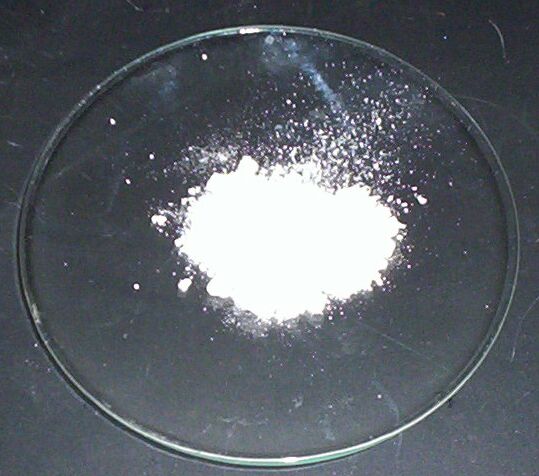


Structure and properties
SnCl2 can be described as having both ionic and covalent character; in the solid state it forms layer-like structures and commonly occurs as a dihydrate (SnCl2·2H2O). In aqueous solutions it can form complex ions and is readily oxidized to tin(IV). Its behavior as a mild reducing agent and Lewis acid influences many of its reactions — more details at chemical properties.
Preparation and brief history
The compound is most simply prepared by dissolving metallic tin in hydrochloric acid, producing stannous chloride and hydrogen. Historically it has been recognized and used for metal treatment and dyeing since the 19th century. Sources on preparation and historical context are available at preparation and history.
Uses and applications
- As a reducing agent in organic synthesis and laboratory reductions (for example, selective conversions of nitro groups to amines).
- In metal finishing and tinning of copper surfaces and certain electroplating processes.
- As a mordant in some dyeing processes and as a reagent in analytical chemistry.
- In manufacture of other tin compounds and in research on organotin chemistry.
Practical applications and protocols can be found at applications and techniques.
Safety, handling and distinctions
SnCl2 is an irritant and should be handled with appropriate protective equipment; solutions are acidic and can corrode metals. It may be toxic if ingested and can affect aquatic life, so waste must be managed responsibly. It is chemically distinct from tin(IV) chloride (SnCl4), which contains tin in the +4 oxidation state and has different physical and chemical properties. For safety information consult safety data.
Related articles
Author
AlegsaOnline.com Tin(II) chloride (stannous chloride) Leandro Alegsa
URL: https://en.alegsaonline.com/art/100015