
Permanganate (MnO4⁻): properties, reactions, uses and safety
An overview of the permanganate ion, covering its structure and color, redox chemistry, common salts and preparations, major applications in chemistry and water treatment, and safety considerations.
Permanganate refers to the anion MnO4⁻, in which manganese exists in a formal +7 oxidation state. The ion is intensely purple in solution and is best known as a powerful oxidizing agent. Common salts such as potassium permanganate and sodium permanganate dissolve to give the characteristic deep violet color. For a quick background on the central metal, see manganese.
Image gallery
4 Images
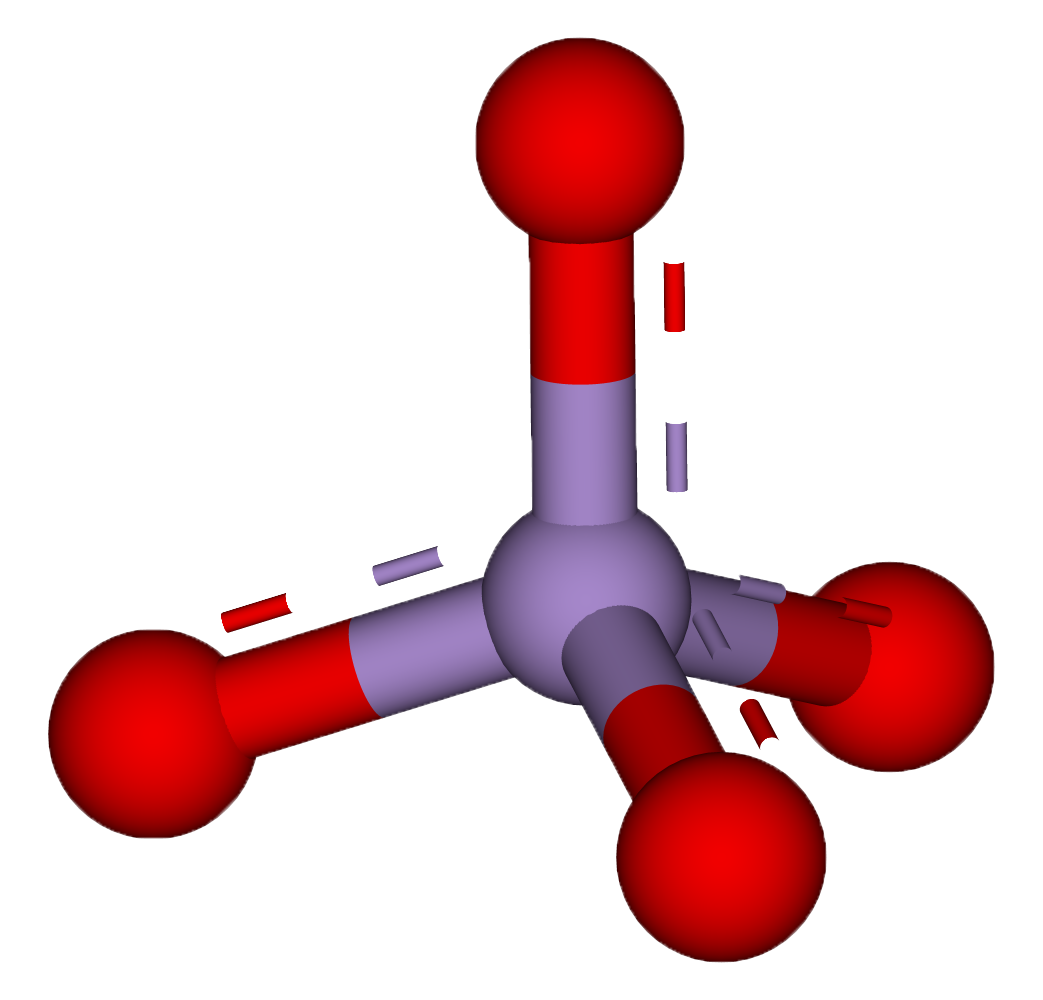


Structure and redox behavior
Structurally the permanganate ion is tetrahedral, with four oxygen atoms bound to a central manganese. Because manganese is in its highest common oxidation state, the ion accepts electrons readily and is reduced in a variety of media. In strongly acidic solution permanganate is typically reduced to soluble Mn2+, whereas in neutral or alkaline conditions it is often reduced to insoluble manganese dioxide (a brown solid). The formal oxidation state of +7 and the four oxide atoms are central to its chemistry.
Preparation and historical notes
Industrial and laboratory production usually starts from manganese dioxide. Oxidation under alkaline conditions leads first to manganate species that can be converted to permanganate by further oxidation or by disproportionation. Permanganate salts became widely used in the 19th century as chemical manufacturing and analytical techniques developed.
Uses and examples
- Analytical chemistry: permanganate solutions serve as self-indicating titrants in redox titrations (permanganometry), since the violet color disappears as it is consumed.
- Water and wastewater treatment: small doses remove iron, hydrogen sulfide and control certain biological growths; they also oxidize organic contaminants.
- Organic synthesis: permanganate oxidizes alkenes, alcohols and other functional groups to give carbonyl compounds, diols or carboxylic acids.
- Antiseptic and topical uses: dilute solutions have been used historically as disinfectants for minor skin conditions (used with care and under guidance).
Its role as a strong oxidizer (oxidizing agent) is central to these applications; reactions commonly proceed by electron transfer and sometimes by oxygen-atom transfer depending on conditions.
Safety, handling and distinctions
Permanganate solutions stain organic material and skin by formation of dark manganese compounds; stains may be persistent. Concentrated salts are corrosive and can ignite or accelerate combustion of organic matter if mixed with combustible materials. Appropriate protective equipment, controlled storage away from reducing agents and combustibles, and disposal according to local regulations are important. Note the difference between permanganate and related manganese oxyanions (for example, green manganate species are chemically distinct). For reduction pathways and common decomposition products see reduction to MnO2.
For practical procedures, safety data and detailed mechanisms consult standard chemical references or material safety data sheets and laboratory manuals. Additional introductory resources are available via oxide chemistry summaries and other specialized sources.
Related articles
Author
AlegsaOnline.com Permanganate (MnO4⁻): properties, reactions, uses and safety Leandro Alegsa
URL: https://en.alegsaonline.com/art/75867