
Manganese dioxide
Manganese dioxide (MnO2) is a black inorganic oxide of manganese in the +4 oxidation state, occurring naturally as pyrolusite and used as an oxidizer, catalyst and depolarizer in batteries and industry.
Overview
Manganese dioxide is an inorganic chemical with the formula MnO2. It contains manganese in the +4 oxidation state and oxygen bonded in an oxide lattice. In its common form it is a dark, nearly black powder or crystalline mineral. The substance is widely recognized both as a naturally occurring mineral and as a manufactured material used in chemical and industrial applications. For a brief classification, see chemical compound, and for the constituent elements see manganese and oxygen.
Image gallery
3 Images
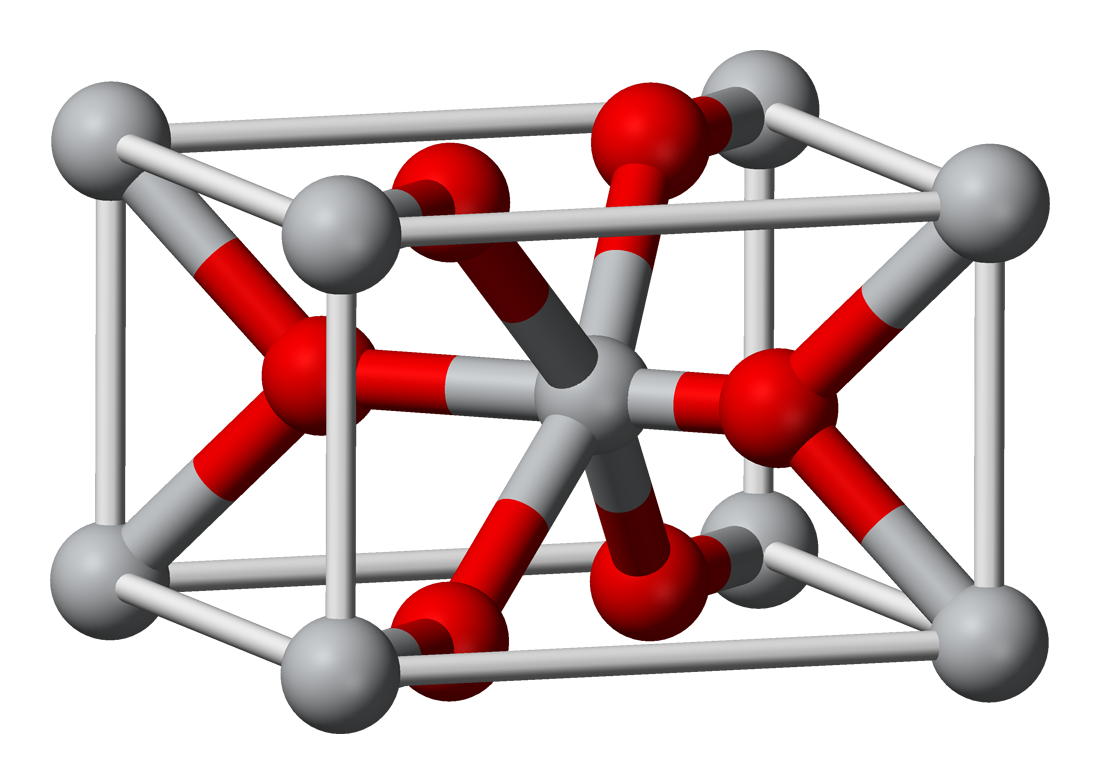

Properties and forms
Manganese dioxide typically appears black to brown-black and can be amorphous or crystalline. It exists in several structural varieties; the manganese atom is in the +4 oxidation state, a key factor in its redox behavior and catalytic activity. As an oxide with oxidizing character, MnO2 can accept electrons and be reduced to lower manganese oxidation states in acidic or strongly reducing environments. See also general notes on oxidation states at oxidation state.
Occurrence and history
The mineral form of manganese dioxide is known as pyrolusite, a historical ore of manganese used since antiquity for glassmaking and pigments. Natural deposits have been mined for centuries and were important to early industries that required manganese compounds. Pyrolusite remains the principal natural source of MnO2; for the mineral name, see pyrolusite.
Uses and applications
- Battery manufacture: MnO2 is a common depolarizer in primary cells and is used in standard alkaline and Leclanché (zinc–carbon) types; see depolarizer, alkaline batteries and Leclanché batteries.
- Catalysis and organic chemistry: It acts as a heterogeneous oxidant and catalyst in a range of laboratory and industrial oxidations.
- Materials and pigments: MnO2 contributes to ceramics, glass decolorizing, and as a component in certain pigments and electronic materials.
Preparation and reactions
Synthetic MnO2 is produced by chemical routes that yield materials with controlled particle size and surface area for specific applications. It participates in redox reactions where it can be reduced to soluble manganese(II) salts in acid, or act as an oxygen source in oxidative processes. Its surface properties make it useful as a catalyst modifier and oxygen scavenger in formulations.
Safety and notable facts
While MnO2 is not highly volatile, inhalation of dust should be avoided. Chronic exposure to soluble manganese compounds is associated with neurological effects at high doses, so industrial hygiene is important. In environmental contexts, manganese mobility depends on redox conditions and can affect water chemistry. For general context on its electrochemical role consult resources on alkaline batteries and Leclanché batteries.
For further technical or mineralogical detail consult specialist references or databases via chemical compound and mineral resources at pyrolusite. Additional reading on elemental behaviour is available under manganese and atmospheric/oxygen chemistry at oxygen.
Related articles
Author
AlegsaOnline.com Manganese dioxide Leandro Alegsa
URL: https://en.alegsaonline.com/art/61284