
Perito Moreno Glacier — major Patagonian glacier in Argentina
A large glacier in Los Glaciares National Park, Argentina, known for its dramatic ice damming and rupture cycles, accessibility from El Calafate, and relative stability amid regional glacier retreat.
Overview
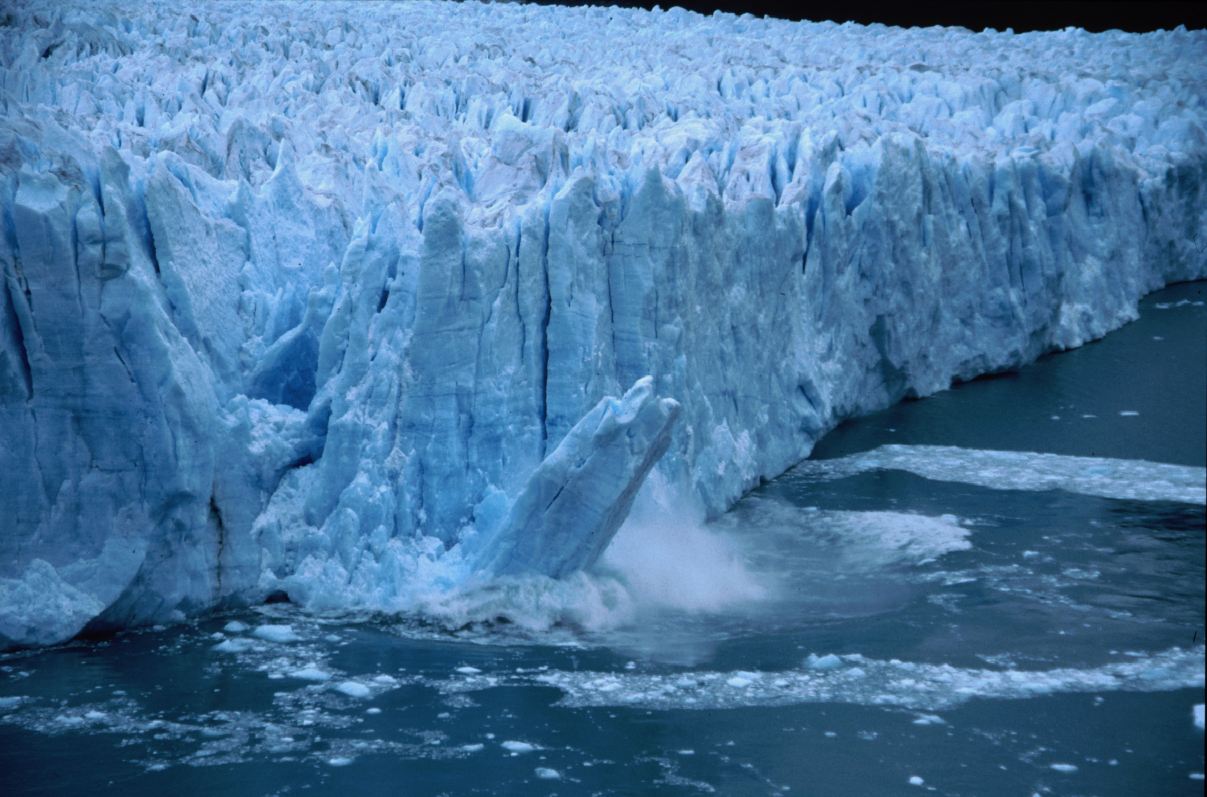
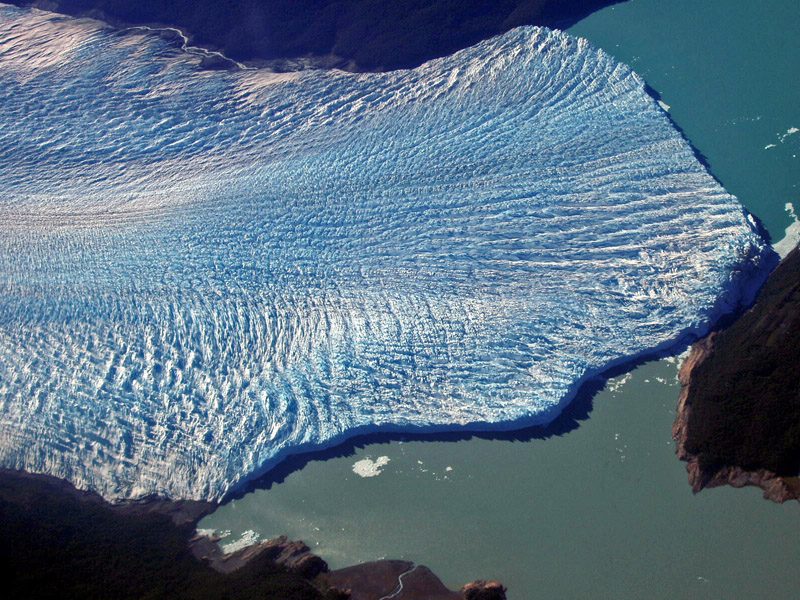
The Perito Moreno Glacier is a large, active glacier located in the southwest of Santa Cruz province in southern Argentina. It sits within Los Glaciares National Park and flows from the Southern Patagonian Ice Field into the Brazo Rico arm of Lago Argentino. The ice mass is a popular visitor destination, noted for frequent calving events and spectacular ruptures when the glacier dams and then breaks the lake's channel.
The glacier measures roughly 30 km in length and covers an area of approximately 250 km². Its terminus reaches the lake surface, making it visually accessible from a network of viewing platforms and from boat tours. The glacier is one of many outlets fed by the extensive ice of the Andes mountain chain shared with neighboring Chile.
Image gallery
10 Images


Characteristics and behavior
- Location: southwestern Santa Cruz province, in Argentina, near the town of El Calafate.
- Source: an outlet of the Southern Patagonian Ice Field in the Andes.
- Size: about 30 km long and roughly 250 km² in surface area (area estimate).
- Hydrology: the glacier reaches Lago Argentino and can form a natural ice dam that separates parts of the lake, producing a rise in water level until a sudden rupture occurs.
Unlike most glaciers in Patagonia that are receding, Perito Moreno has been relatively stable in recent decades and periodically advances enough to create the so-called "ice bridge" across the Brazo Rico channel. The damming and rupture cycle is irregular: in some years the barrier forms and collapses within months, while in other years many years pass between events. When the barrier finally breaks the collapse is dramatic, involving large calving blocks and loud cracking noises.
History and name
The glacier is named after the Argentine explorer and scientist Francisco Moreno, who studied the region in the 19th century and became influential in national boundary discussions with Chile. The glacier and the surrounding park are part of a protected area inscribed as a UNESCO World Heritage Site for its outstanding glacial landscape and ecological values.
Tourism, access and safety
The nearest service town is El Calafate, about 78 km from the glacier, which serves as the main base for guided visits, boat excursions and ice-trekking activities. Visitors can view the glacier from extensive walkways on the shore, take guided boats close to the face, or join regulated trekking programs on the glacier surface. Those planning visits are advised to follow park rules and safety guidance; changing weather, falling ice and unstable sections make guidance and proper equipment essential.
Scientific and conservation context
Perito Moreno is part of a larger patagonian ice complex that represents one of the world's significant freshwater reserves. Scientific interest centers on why this glacier remains comparatively stable while many nearby glaciers are retreating — a behavior influenced by local topography, ice dynamics, and the interaction with the lake. Conservation work in the park focuses on balancing visitor access with protection of glacial and aquatic ecosystems as the regional climate continues to change.
Further reading and visitor information may be found through resources about the glacier itself (Perito Moreno), the broader region of Argentine Patagonia, the provincial context of Santa Cruz, and the binational icefield shared with Chile. General information on the icefield's role as a freshwater resource is available through summaries of global reserves (freshwater reserves overview) and geographic descriptions of the Andes. Practical travel advice and area maps can be located via guides to Argentina and local tourism portals (park and area data).
Related articles
Author
AlegsaOnline.com Perito Moreno Glacier — major Patagonian glacier in Argentina Leandro Alegsa
URL: https://en.alegsaonline.com/art/75846