
Persian Gulf naming dispute: history, positions, and contemporary implications
Conflict over whether the body of water between Iran and the Arabian Peninsula should be called the Persian Gulf or the Arabian Gulf; historical usage, modern politics, and effects on maps and culture.
Overview
The Persian Gulf naming dispute concerns the preferred name for the arm of the Indian Ocean between Iran and the Arabian Peninsula. Historically and in many international references the body of water has been known as the Persian Gulf. The Persian-language name is خلیج فارس. Since the mid-20th century some Arab governments, media outlets and organizations have promoted the alternative name "Arabian Gulf," turning the toponym into a sensitive political and cultural issue involving national identity and regional pride. Iran is often referred to by its historical name of Persia in older Western sources and maps; modern references typically use the country's current name, Iran.
Image gallery
10 Images





Historical background
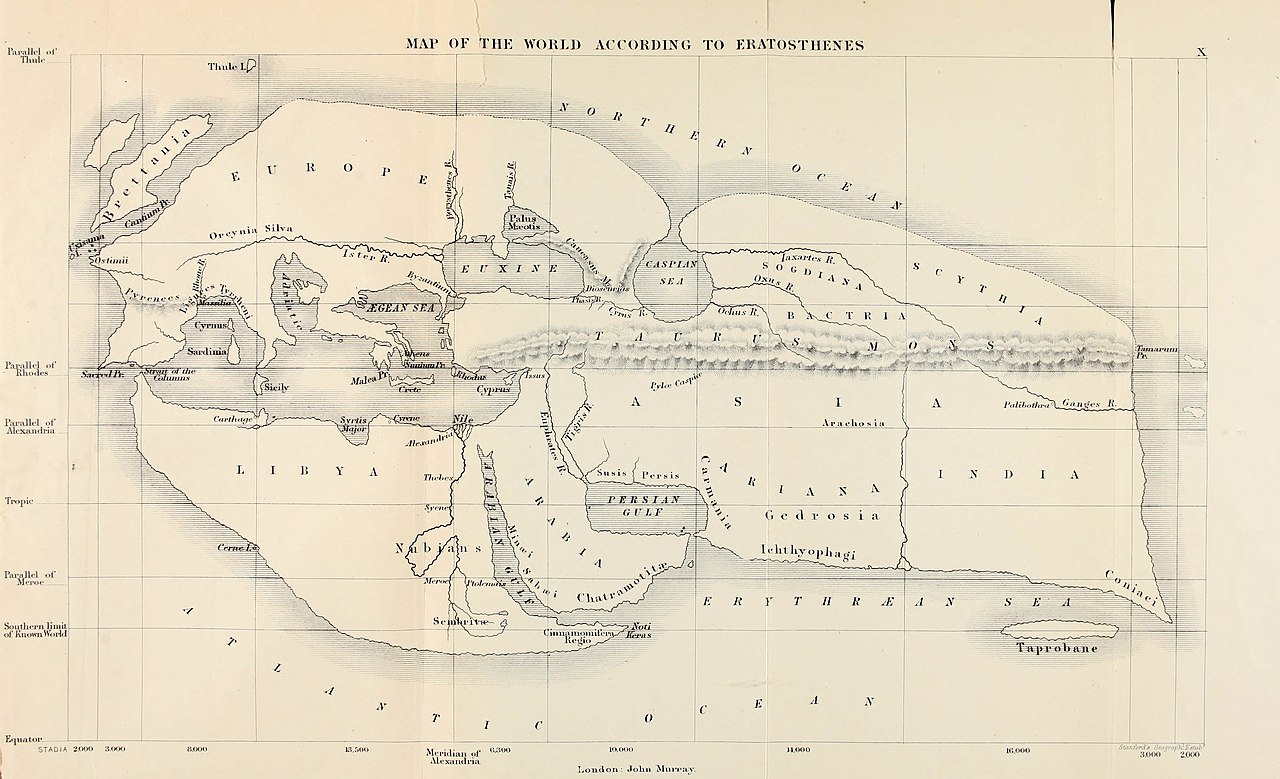
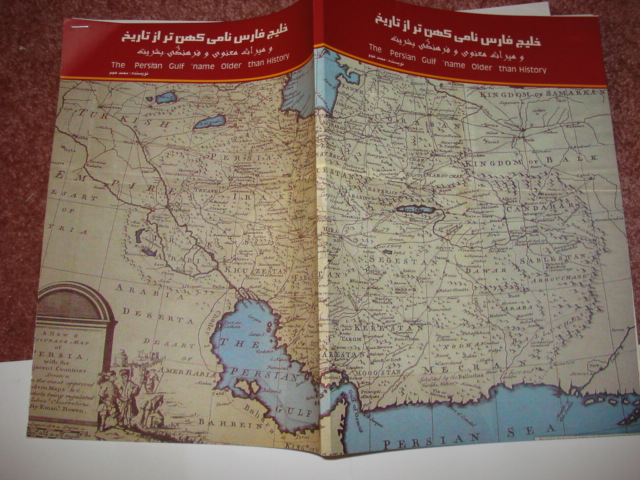
The body of water has been called various names over millennia in different languages. Classical Greek and Roman geographers used versions of a name that connected the gulf to the lands of the Persians. During the Islamic and later periods, Persian and Arabic sources continued to use names that referenced local polities and peoples. Western mapmakers and navigators from the Renaissance onward commonly used "Persian Gulf" in charts and atlases, and that usage became entrenched in many international documents and academic works.
Modern development of the dispute
The modern controversy intensified after the mid-20th century alongside rising Arab nationalism and the emergence of newly independent Gulf states. For some Arab leaders and commentators, adopting "Arabian Gulf" asserts Arab identity in the region and counters perceived Persian or Iranian influence. Iranian authorities and many historians reject the change, arguing that it erases historical continuity and cultural heritage. International bodies, publishers and cartographers have varied in their choices: some maintain the long-established "Persian Gulf," others use both names or opt for the neutral term "the Gulf" to avoid political offense.
Uses, examples and impacts
- Maps and atlases: labeling choices can differ between publishers and editions, and can provoke diplomatic complaints or corrections.
- Media and education: textbooks, newspapers and broadcasters in different countries follow national policies or editorial practices that affect which name is used.
- Symbolic acts: sports events, naval operations, and cultural references sometimes adopt one name publicly, fueling controversy and media debate.
Distinctions and notable facts
The dispute is chiefly symbolic and diplomatic rather than legal: it centers on identity and recognition rather than ownership of waters. Because opinions vary, some neutral or international communications avoid choosing either name and refer simply to "the Gulf." Understanding the dispute requires attention to historical naming, mid-20th-century political changes, and the differing perspectives of peoples and states on both sides of the waterway.
Further reading
For general reference and cartographic contexts, formal entries and atlas conventions can be consulted through authoritative sources and academic surveys; for cultural and political analysis, look to works on Gulf diplomacy, Arab nationalism and Iranian foreign policy.
Related articles
Author
AlegsaOnline.com Persian Gulf naming dispute: history, positions, and contemporary implications Leandro Alegsa
URL: https://en.alegsaonline.com/art/75949
Sources
- atimes.com : "All at Sea over 'the Gulf'"
- mei.org.in : mei.org.in/archives-occassional-paper/the-persian-gulf--historical-geographical-and-legal…