
Percival (Sir Percival) — Knight of the Round Table and Grail Seeker
Percival is a central figure in Arthurian legend, famed as a Grail knight whose literary origins lie in medieval romance and whose character symbolizes innocence, spiritual questing, and chivalry.
Overview
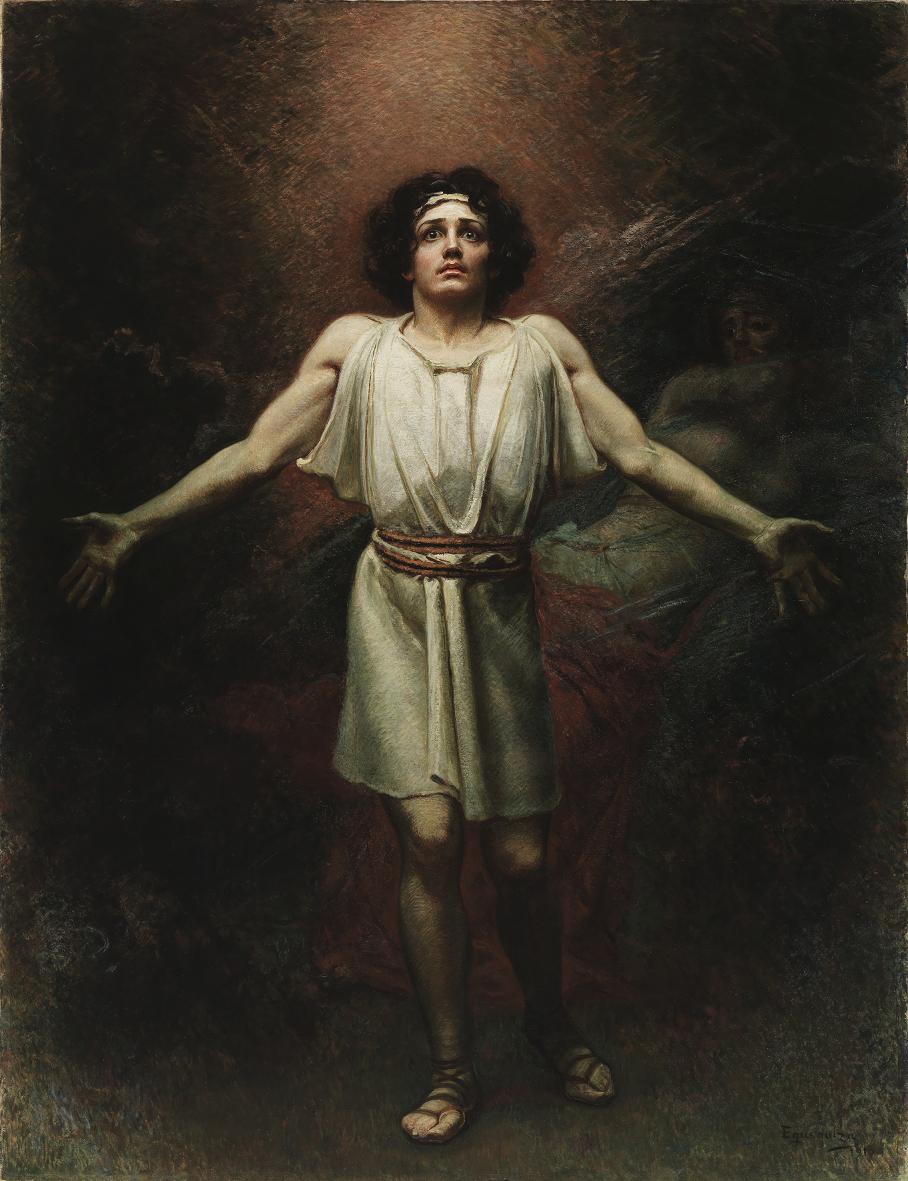
Sir Percival (often spelled Percival, Perceval, or Peredur in Welsh) is one of the best-known knights in the Arthurian cycle. He is traditionally portrayed as a young, morally upright warrior whose purity and simple faith enable him to undertake a spiritual quest. In many accounts Percival becomes one of the knights entrusted with the search for the Holy Grail and, in some traditions, is the figure who achieves or discovers it.
Image gallery
3 Images

Literary origins and development
Percival first appears in the late 12th-century romance tradition. The French poet Chrétien de Troyes introduced a figure called Percivale in his unfinished Conte del Graal (c. 1190), and that narrative inspired a number of continuations and adaptations. Later medieval writers expanded the story: a 13th-century continuation attributed to Manessier makes Percival the achiever of the Grail, while a parallel treatment appears in the Welsh romance Peredur, which preserves Celtic motifs and local variants of the tale. These medieval sources shaped subsequent retellings across Europe.
Character and symbolism
Percival is often cast as the archetypal innocent or naïve hero. Many versions begin with him raised in isolation by his mother and unfamiliar with knighthood; his early ignorance and directness are essential to his moral identity. Over the course of his adventures he learns courtly manners and chivalric skill, but retains a spiritual simplicity that allows him to perceive sacred mysteries the more worldly knights cannot. That combination of martial courage and inward purity is a key reason he is linked to the Grail quest.
Major episodes and variations
- Chrétien de Troyes's Conte del Graal introduces the Grail quest and an inexperienced Percival who witnesses but fails to ask the right questions about mysterious visions.
- Medieval continuations, notably the so-called Vulgate and Post-Vulgate cycles, expand Percival's lineage, deeds, and his ultimate role among Grail heroes.
- A Welsh analogue, Peredur, preserves Celtic narrative elements that differ in tone and detail from French sources.
- Some later folk tales and popular retellings attribute additional exploits to Percival, including variant accounts in which he recovers Arthurian objects; such episodes reflect the fluid nature of oral and regional tradition rather than a single canonical biography.
Cultural influence and legacy
Percival's image has endured in literature, art, and modern adaptations. He appears in medieval manuscripts, Renaissance romances, Victorian retellings, and contemporary novels and films that rework the Grail theme. As a symbol, Percival often represents the moral and spiritual dimensions of knighthood: a seeker whose inward readiness is as important as outward prowess. Over centuries, popular folklore and imaginative reinterpretations have sometimes connected peripheral motifs—such as small supernatural helpers or trickster figures—to Percival's adventures; these later associations show how legend and local folklore can merge in unexpected ways.
Notable distinctions
Percival is distinct from other Grail figures in that many traditions emphasize his youthful innocence rather than worldly perfection. While Sir Galahad is portrayed as the perfect, almost Christ-like Grail hero in some cycles, Percival is the humbled seeker whose spiritual maturity grows through experience. His story highlights questions about perception, language, and the responsibilities of a knight when confronted by the sacred.
For further reading on Arthurian context see King Arthur and the Round Table. For themes tied to Arthurian weaponry and enchanted items see Excalibur. Folkloric and supernatural elements that sometimes accompany Percival's adventures are discussed in texts on faery belief and in surveys of Anglo-Saxon folklore, including later popular motifs such as garden gnomes.
Related articles
Author
AlegsaOnline.com Percival (Sir Percival) — Knight of the Round Table and Grail Seeker Leandro Alegsa
URL: https://en.alegsaonline.com/art/75754