
Perun: Slavic god of thunder, sky, and oak
Perun, the chief deity in Slavic myth, is associated with thunder, lightning, storms, war, law and oaks. He opposes the chthonic god Veles and influenced medieval saint cults and folk customs.
Overview
Perun is the highest or one of the principal deities in pre-Christian Slavic religion, commonly identified as the god of the sky, thunder and lightning. Traditions across East, West and South Slavs depict him as a powerful, martial figure who enforces order and punishes wrongdoing. Modern scholarship compares his role to other Indo-European thunder gods.
Image gallery
6 Images
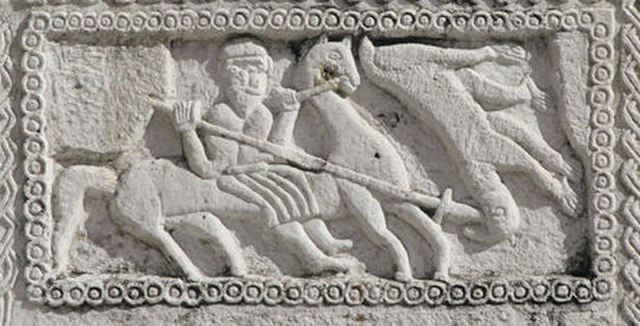


Attributes and symbols
Perun is linked with characteristic natural and cultural symbols. Typical attributes include weapons associated with thunder, tall trees and rocky high places. Common motifs are:
- Sky — a heavenly authority (sky).
- Thunder — the sound of his power (thunder).
- Lightning — his striking weapon (lightning).
- Storms and rain — weather phenomena under his influence (rain).
- Law and war — guardianship of social order and battle (law, war).
- Fertility and oaks — sacred groves and life-giving force (fertility, oak).
Mythic role and relationships
A central myth pair pits Perun against the chthonic deity Veles, a conflict often represented as a struggle between sky and underworld, order and chaos. Perun’s defeats of serpents or dragon-like beings are recurring themes. In comparative terms, he is often likened to the Greek god Zeus for his dominion over the sky and his role as a chief deity.
Worship and legacy
Evidence for Perun’s cult appears in chronicles, place names, folk customs and later Christianized traditions. After Christianization many attributes of Perun were syncretized with saints such as Elijah in East Slavic regions; sacred oaks and high places continued to be important. Perun’s imagery survives in folklore, literature and modern cultural revival movements.

Related articles
Author
AlegsaOnline.com Perun: Slavic god of thunder, sky, and oak Leandro Alegsa
URL: https://en.alegsaonline.com/art/76002